
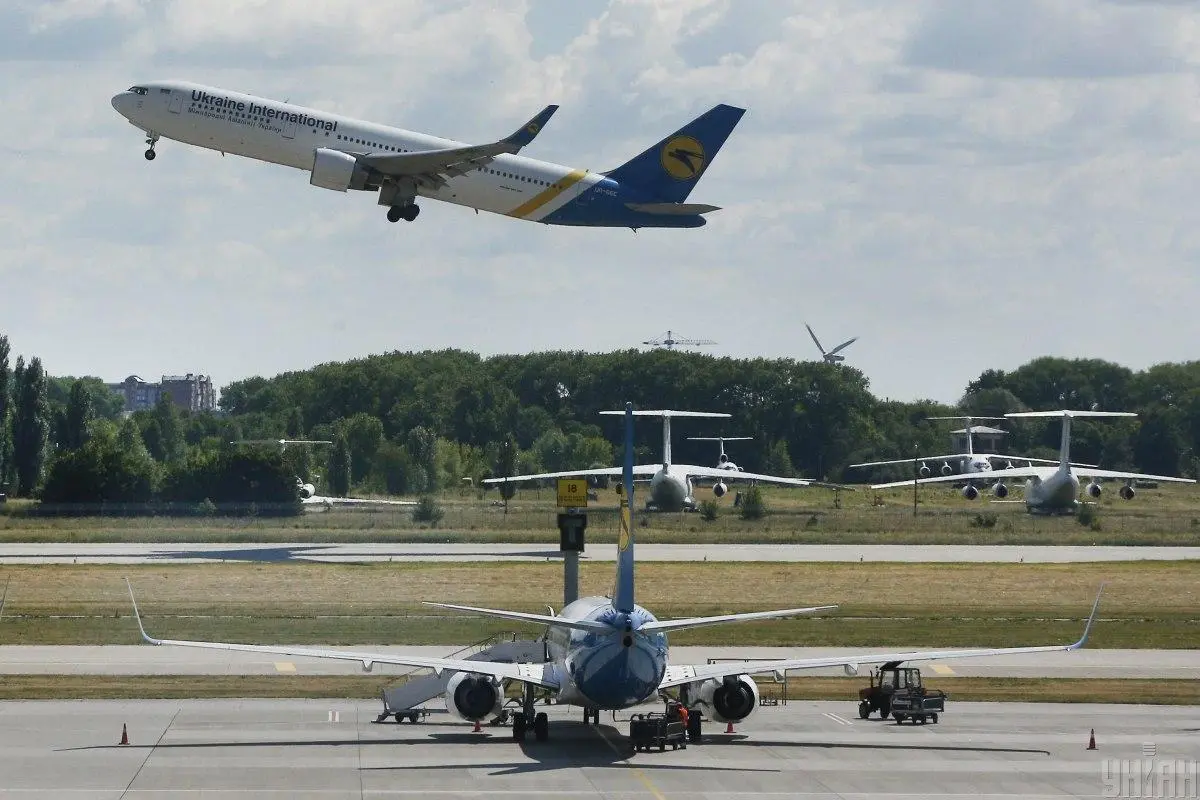
The co-pilot’s sudden loss of consciousness during Wizz Air flight W6-1736 from Gothenburg to Gdańsk forced the crew to follow safety protocol: one of the flight attendants took a seat in the cockpit to assist the pilot in command. The incident, which occurred on October 9 at an altitude of approximately 10,000 meters, was classified as “serious,” according to Blikk.
According to the State Commission for the Investigation of Aviation Incidents, the first officer felt unwell and experienced stomach problems approximately 40 nautical miles before beginning the descent, after which he lost consciousness and left the cockpit. The captain immediately issued a “Mayday” distress call, and a crew member took the vacant seat in the cockpit, allowing the flight to be successfully completed and the plane to land in Gdańsk, where the victim was handed over to medical personnel, notes Wprost.
Experts emphasize that a pilot’s loss of consciousness can be either sudden or gradual, and the most common causes of acute conditions are gastrointestinal disorders, heart attacks, or fainting. To minimize risks, aviation experts advise adhering to strict dietary guidelines and constantly monitoring the crew’s health, as flight safety remains a priority that should not depend on the condition of a single crew member, according to Transport Canada.
Procedure for Critical Situations
When such threats arise, pilots use the CHASE mnemonic technique, which helps structure their actions: take control, declare an emergency, assess the situation, secure the affected person, and notify air traffic controllers. It is crucial that the cockpit remain under control, and any assistance from flight attendants or others should be aimed at preventing an unconscious pilot from interfering with the aircraft’s controls.
“Your first duty is to ensure the safe operation of the aircraft. Do not let your natural concern for the victim’s well-being interfere with your primary task—ensuring a safe flight,” states the official aviation safety manual.