Apple and pear trees are pruned during dormancy, that is, after the leaves have fallen and before the growing season begins. The main rule is to remove no more than 10–20% of the canopy in a single winter; otherwise, the tree will respond with vigorous but fruitless growth, according to Jurnalul.
Pruning limits the tree’s size, allows light and air to penetrate the canopy, and stimulates the growth of new wood. According to the British Royal Horticultural Society (RHS), wood that is one to four years old bears fruit most abundantly.
In Romania, where winters are harsher, gardeners usually prefer to prune in the second half of winter. Engineer Marius Roman, head of a nursery in Ilfov County, advises against rushing to prune stone fruit trees.
“You can start winter pruning in January, especially when it comes to large orchards,” Roman notes.
During severe frosts, the work is postponed to the period from February 20 to March 20. First, prune frost-resistant apple, pear, and quince trees; then prune plum, cherry, and sweet cherry trees; and finally, in late February or early March, prune peach, nectarine, and apricot trees. For amateur gardeners, it’s enough to remove dry, broken, and diseased branches in the fall.
Mistakes That Cost You Your Harvest
First, remove damaged and diseased shoots, then branches that cross and rub against each other, and finally thin out the center of the crown. Last year’s growth on the main branches should be shortened by one-quarter to one-third above an outer bud, distributing the cuts throughout the tree.
“If you prune only the upper branches, all new growth will appear right there,” warns the RHS.
The most common mistake is excessive pruning in a single winter. This leads to the growth of vertical suckers, which do not bear fruit and thicken the crown. “The more you prune, the stronger the new growth,” British experts emphasize.
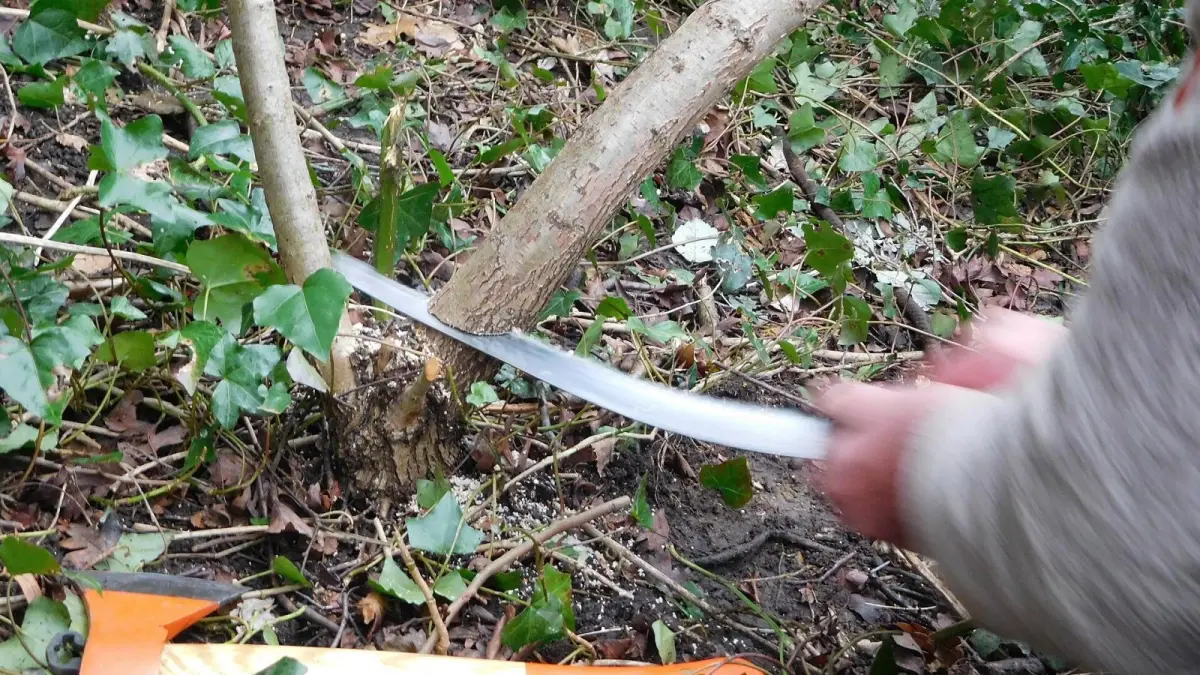
Old, neglected trees should be rejuvenated gradually, over the course of several winters, while young trees should be pruned minimally, as heavy pruning delays the onset of fruiting. Branches thicker than 10–12 cm should be cut carefully, without leaving stubs. A properly pruned tree often requires only 10–20 cuts, and it is not necessary to seal the wounds on apple and pear trees.
RHS consultant Deirdre McShane recommends pruning trees from November through early March and disinfecting pruning shears and saws with alcohol. The ideal crown resembles a goblet with an open center. Varieties that bear fruit at the tips of shoots, such as Bramley’s Seedling or Discovery, require a different approach: some of the older branches are shortened back to a younger shoot located closer to the trunk, according to the RHS.
Removing more than one-fifth of the branches in a year, she says, usually leads to the appearance of suckers. Therefore, she advises stepping back from time to time and assessing the tree from a distance. “If in doubt, I’ll wait until next winter to prune the branch,” notes McShane.