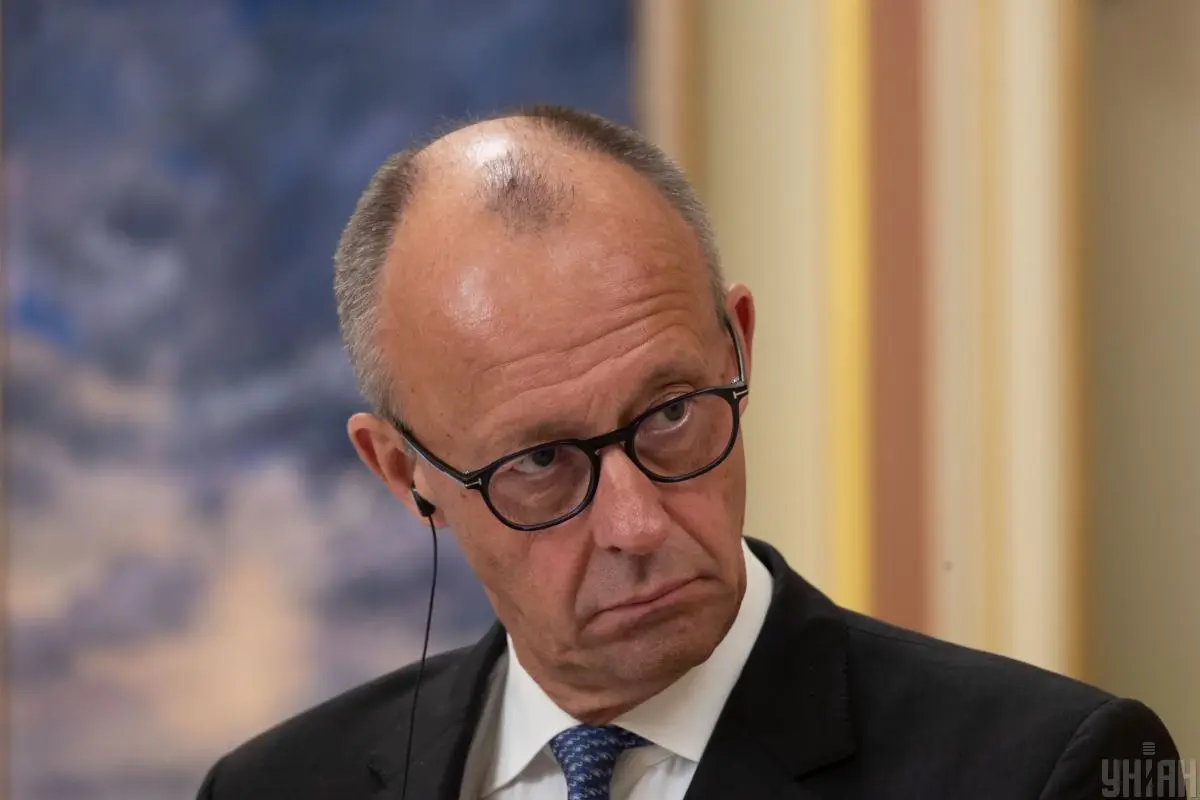
German Chancellor Friedrich Merz called on U.S. President Donald Trump to avoid any “surprises” at his meeting with Vladimir Putin, scheduled to take place in China next week. Merz made this statement on Friday, November 13, according to Digi24, citing AFP.
The German official addressed Washington while speaking with journalists on the sidelines of the European Political Community summit in Dublin.
“I want to reiterate our message to the United States very clearly once again: please, no surprises,” Merz emphasized.
He also outlined the position Berlin expects from the U.S. president in negotiations regarding the war.
“Stay on Team Europe and Team Ukraine, and let’s work together toward true peace in Ukraine,” the chancellor urged.
The statement came a few days before the Asia-Pacific Economic Cooperation (APEC) summit in Shenzhen, in southern China. A trilateral meeting between Trump, Xi Jinping, and Putin is scheduled to take place on the sidelines of the summit.
What to Expect from the Shenzhen Meeting
Next week, Trump will travel to the Philippines and China, and is scheduled to arrive in Shenzhen on Wednesday. Last Sunday, he stated that he expects to meet with both leaders to discuss “many things, including denuclearization.” The trip comes amid the Republicans’ defeat in the midterm elections: starting in January, the Democrats will control Congress, according to Foreign Policy.
Beijing, however, is wary of this format. Hal Brands, a professor at the Johns Hopkins University School of Advanced International Studies, is convinced that the meeting will take place only if the Chinese side receives guarantees that it will be inconsequential.
“Trump wants to discuss a settlement in Ukraine and nuclear arms control. The Chinese have no intention of taking on a responsible role in ending the war in Ukraine, and they have no interest in trilateral talks on nuclear arms control,” Brands notes.
Putin was the one who initiated the trilateral meeting. Edgar Kagan of the Center for Strategic and International Studies believes that the Kremlin is more interested in discussing the war than nuclear weapons.
“For Putin, the main thing was to signal a willingness to talk with the president and with Chairman Xi as if they were making decisions regarding Ukraine—something that Ukrainians and Europeans obviously do not like,” Kagan warns.
Mike Kaiken, vice chair of the U.S.-China Economic and Security Review Commission, highlights the benefits of this format for Beijing: According to him, China will effectively have two seats at the table, since “Putin’s seat is, in essence, China’s seat.”