
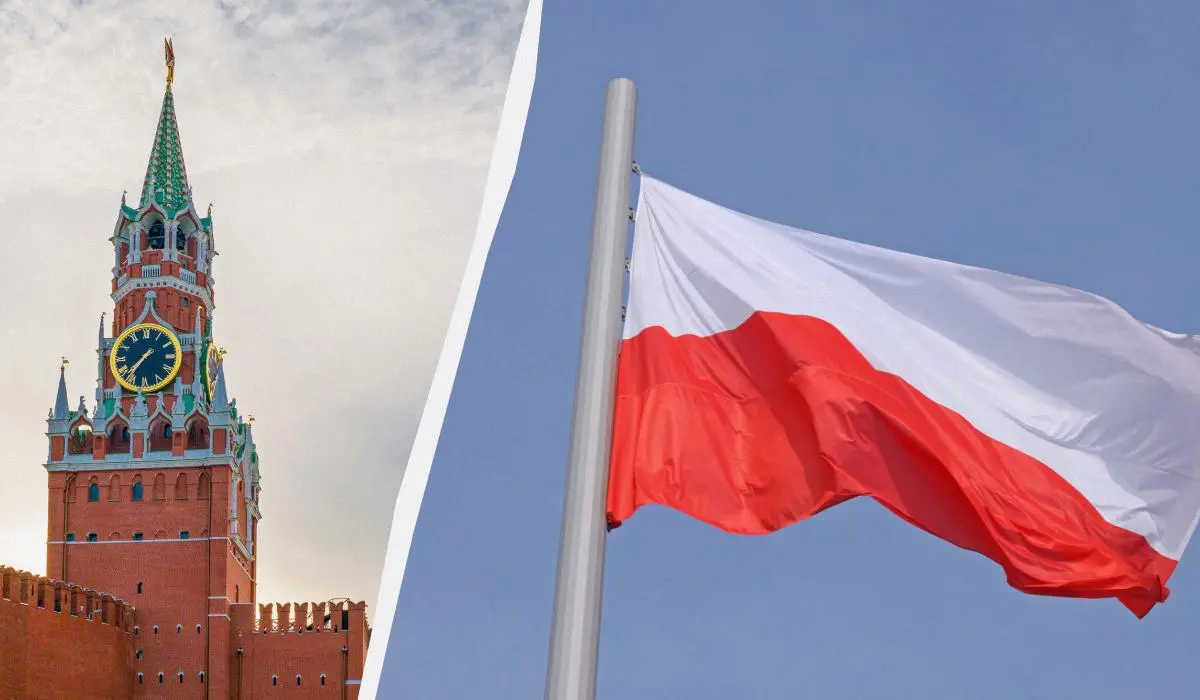
Poland has cautioned its European allies against negotiating an end to Russia’s war against Ukraine without taking into account the security interests of Eastern Europe, the region most vulnerable to the conflict’s consequences. Polish officials voiced this position on Thursday, November 5, during a meeting with journalists in Warsaw, according to Euronews.
Polish Foreign Minister Radosław Sikorski emphasized the importance of countries that directly border the aggressor. “The last thing we want is for Western Europe to negotiate with Russia over the heads of Eastern Europeans. Eastern Europe and Scandinavia cannot be left out of the conversation. There are about 120 million of us,” Sikorski said.
Prime Minister Donald Tusk urged his European colleagues to be “very cautious” regarding Vladimir Putin’s “true intentions” and “realistic” about the U.S.-led diplomatic process. According to him, Putin may have fewer incentives to reach an agreement this winter. Warsaw does not expect any results from the negotiations until the Kremlin demonstrates a genuine willingness to end the war.
At the same time, Moscow is intensifying its hybrid pressure on Kyiv’s most steadfast supporters: this week, Poland launched a large-scale operation along the border with the Kaliningrad region to prevent possible sabotage.
“According to our sources and those of our allies, the threat from Russia will grow, and we can expect an escalation. Of course, the first targets are the Baltic states and Poland,” Tusk warned, adding that the country is “well prepared” for any scenario.
These issues were also central to an informal meeting of foreign ministers from the Council of the Baltic Sea States, which is taking place in Warsaw on November 6 with the participation of Ukrainian Foreign Minister Andriy Sybiga and EU High Representative Kaja Kallas. The ministers are discussing the role of the Baltic states in achieving a lasting end to the war, support for Ukraine this winter, and countering Russian hybrid threats, according to the Polish Ministry of Foreign Affairs.
Who Will Speak on Behalf of Europe
Next week in Abu Dhabi, trilateral technical talks between Ukraine, Russia, and the U.S. will resume. France, Germany, the United Kingdom, the European Commission, and NATO are ready to join the multilateral talks following this meeting. Prior to that, Finnish President Alexander Stubb and Norwegian Prime Minister Jonas Gar Støre held a 90-minute phone call with Putin.
The variety of formats outraged Italian Prime Minister Giorgia Meloni. In a letter to European Council President António Costa, she complained about the “chaos” and demanded that a single negotiator be appointed. Costa agreed to bring the issue to the informal summit in Dublin, which will take place immediately after the meeting in Abu Dhabi.
Sikorski supported the Italian position. “We need legitimate European representation in this process because we are paying for this war. We have much more at stake because our security is on the line,” the minister asserted.
He favors the framework of the Lisbon Treaty, under which the EU’s common foreign policy is led by the President of the European Council or the High Representative, and is open to involving the British. At the same time, the U.S. appears to be choosing the European Commission—which controls funding for Ukraine and sanctions against Russia—as its interlocutor.
Separately, Warsaw criticized an idea reportedly proposed by American negotiators—to resume Russian gas supplies to Europe. Energy Minister Milosz Motyka called it “absurd.” “If anyone is deluding themselves into thinking they can buy time by purchasing Russian gas, that is a very short-sighted and very expensive game,” Motyka emphasized.