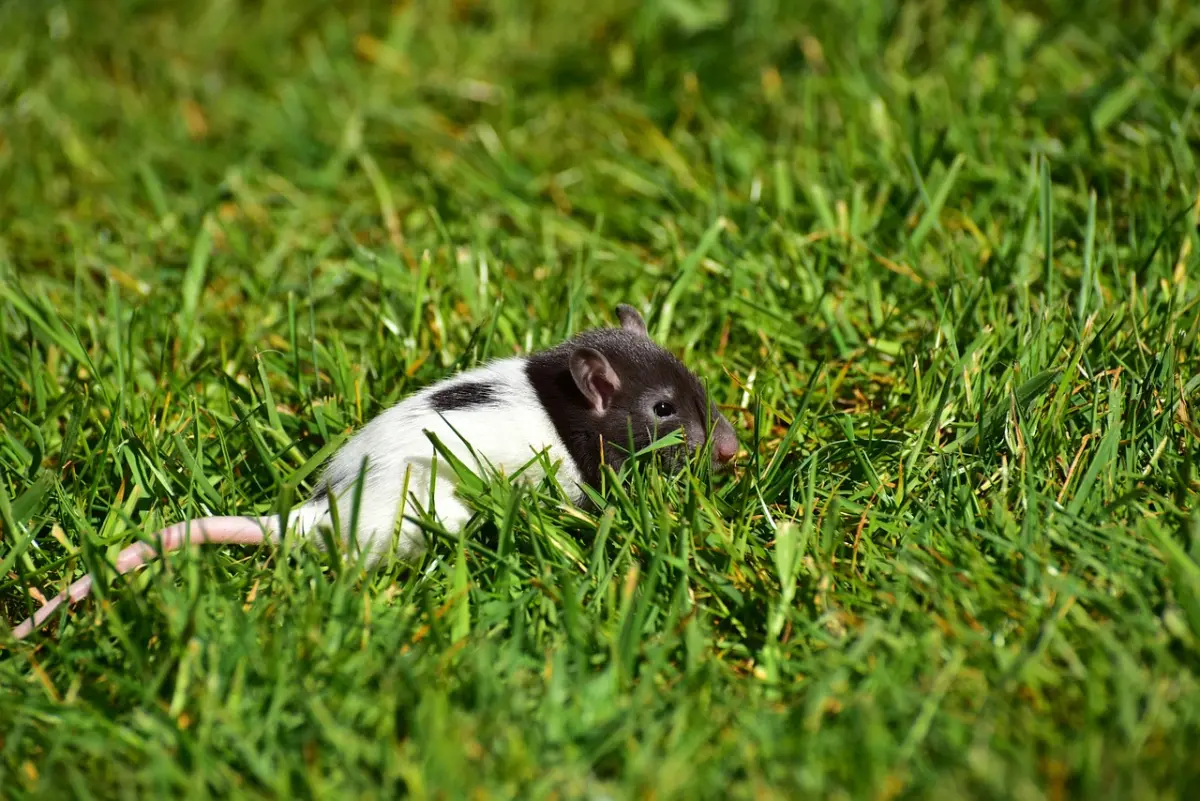
A pinch of ground chili pepper mixed into the bird feeder's seed blend will help deter rats without scaring away the birds. Gardener Dave, known on social media as Dave the Plantman, recommends this simple way to protect your garden in November, according to the Mirror.
In the fall, rodents are more likely to venture near human dwellings. As temperatures drop and the harvest is gathered, natural food sources become scarce, so rats seek warm shelter and food scraps near homes.
Dave got the idea from a conversation with a chili pepper supplier named Bob. According to Bob, rodents find the pungent smell of spices unpleasant, so the spice should be mixed with birdseed.
“For this amount, we add a level teaspoon, and it will repel rats, mice, and squirrels. I even have a customer in Cumbria who sprinkles it on her roses to keep deer away,” Bob said.
He added that, according to customer feedback, placing chili near the bulbs when planting prevents animals from digging them up.
Won’t this harm birds?
In small amounts, chili is safe for birds. The main thing is not to overdo it and to make sure the powder doesn’t get in their eyes. The spice should be lightly and evenly distributed over the seed mix or fat before filling the feeder to prevent clumping.
To keep rodents away from the house itself, you can sprinkle chili pepper or flakes near potential entry points and nesting sites. Another option is a solution of chili pepper and water. However, rain washes the solution away, so you’ll need to reapply it more often in the winter. It’s also worth remembering that chili irritates cats and dogs, so you should choose where to place it carefully. If you’re dealing with a massive rat infestation, it’s best to consult professionals.
In addition to hot peppers, rodents dislike the smell of peppermint and garlic. However, according to experts, hot peppers have an advantage: they do not repel birds.
“Although these smells are unpleasant for rodents, birds actually can’t taste them, so if you add a little cayenne pepper to a feeder, for example, it will serve as an additional deterrent,” emphasizes Eric Mikels of CJ Wildlife, as quoted by Ideal Home.