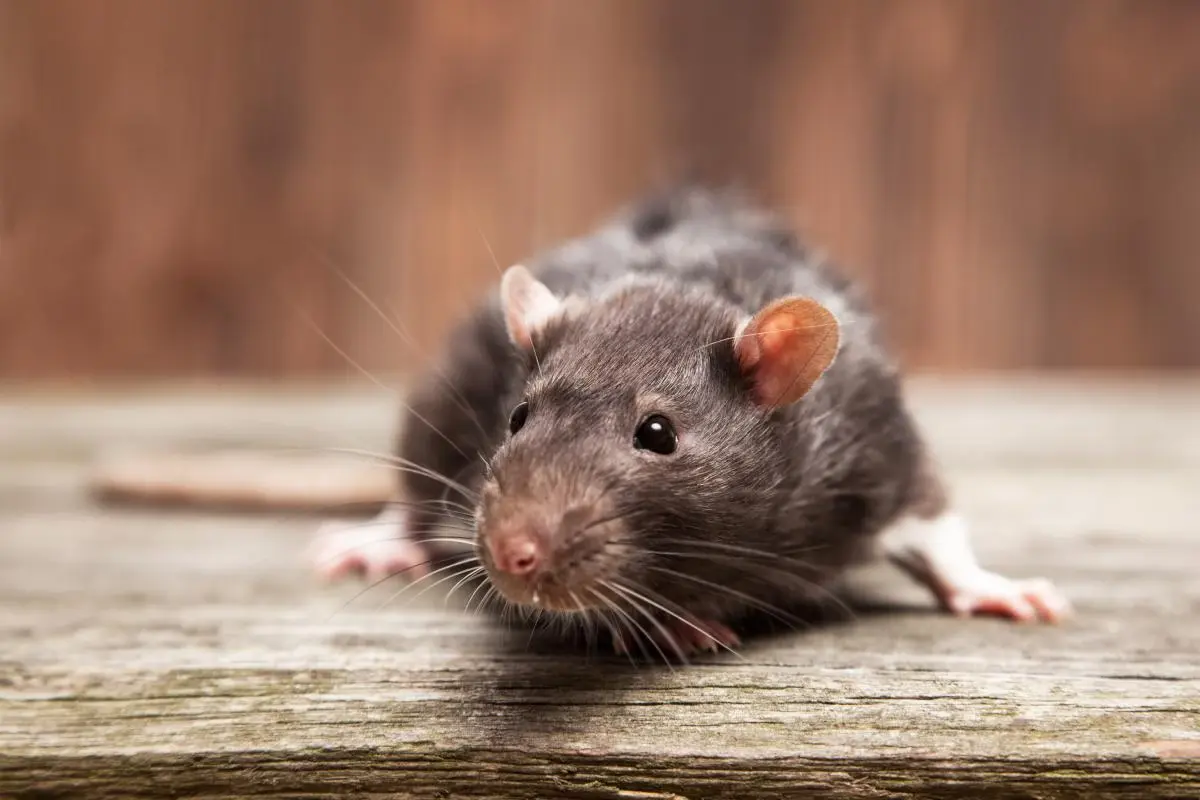
The most important step in protecting your home from mice before winter is to seal off all possible entry points that rodents might use to get inside. Pest control experts advise starting your preparations for the cold weather with this step, since mice reproduce quickly, and a single visitor can turn into a full-fledged colony in just a few weeks, according to The Spruce.
First, inspect the weatherstripping on windows, entry doors, and garage doors: if light shines through, replace the weatherstripping or seal the gaps with caulk. Cracks in the foundation and walls should be filled with an epoxy mixture or hydraulic cement. Gaps around pipes and vents should be sealed with steel wool and sealant, and openings in the roof and near eaves should be covered with fine metal mesh.
George Liakopoulos, an expert at Fantastic Pest Control, urges people not to overlook any defect, no matter how inconspicuous it may seem.
“Even a 6-millimeter hole is enough for mice to squeeze through. If in doubt, seal it,” Liakopoulos emphasizes.
A study by researchers at Rutgers University in low-income apartments across three cities in New Jersey revealed just how difficult it is to make a home impenetrable. Between 47% and 54% of the vulnerable spots inspected had gaps wider than 6 mm. Even professional companies hired to seal these gaps failed to complete the job in 46–92% of the apartments, which, according to the authors, points to the need for better training of specialists, writes the *Journal of Integrated Pest Management*.
Clean Up the Yard and Hide Food
Another task is to remove trash from around the house and trim bushes and branches that grow close to the walls: mice use them to reach openings. Lee Engel, owner of 360 Rodent Control, warns of the dangers of firewood and clutter near the house.
“Keep firewood and junk in the yard at least 20 feet away from the house. These are common nesting spots that attract rodents closer to the foundation,” Engel notes.
Trash cans should be tightly sealed and placed at a distance from the house. Food should be stored in airtight containers, crumbs should be cleaned up, and pet food should not be left out overnight.
Traps Instead of Poison
As a precaution, experts recommend setting one or two traps behind kitchen appliances, in the attic, and in the basement. For those who do not want to kill the animals, live-capture traps are a good option. Liakopoulos also recommends periodically inviting specialists to inspect your home.
“Early detection is key, so look for droppings, gnaw marks, and scratch marks, as these are clear signs of rodent activity,” Liakopoulos says.
Jim Crawford, an extension agent at the University of Georgia, warns against poison baits and considers a standard mousetrap—which should be placed with the trigger facing the wall—the best option. “Poison baits can pose a danger to small children and pets. Moreover, mice will eat the poison and die behind walls and in other inaccessible places, causing a terrible odor,” Crawford warns, according to the UGA Field Report.