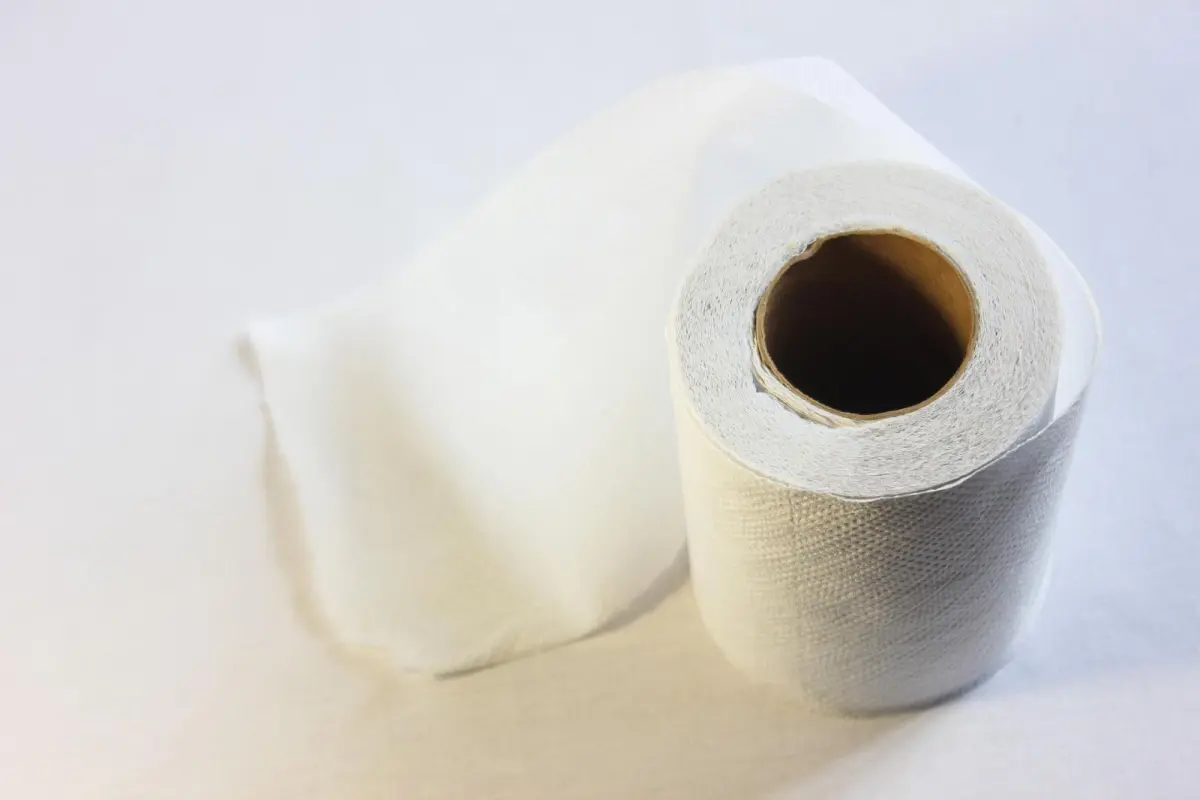
An empty toilet paper tube can be turned into a winter bird feeder in just a few minutes. All you need is unsalted lard, a wild bird seed mix, and a piece of string—no special tools or crafting skills required, according to Planeta.pl.
Coat the clean, dry tube with a thin, even layer of lard, roll it in the seed mix so that it sticks to the entire surface, thread the string through the hole, and hang it from a branch. Instead of lard, you can use peanut butter without salt, sugar, or artificial additives. For the seed mix, sunflower seeds (which titmice love), millet (for sparrows), as well as chopped unsalted nuts and small grains are recommended.
Do not use salted butter, margarine, salted nut butters, spiced foods, or rancid fat. Also prohibited are moldy grains, sweets, leftover seasoned food, and bread, which causes “angel wing” disease in birds.
Hang the feeder in a sheltered spot, protected from rain and snow, away from cats and dense bushes where predators might hide. Cardboard gets wet quickly, so the liner should be replaced as soon as it gets soggy or dirty. Mold grows on damp, old grain, and its mycotoxins can poison a bird and even kill it.
When Natural Food Is Scarce
In winter, food for birds becomes increasingly scarce in rural areas, so backyard gardens and balconies become an important source of sustenance for them. Jenny Shelton, an expert with the British organization The Wildlife Trusts, points out how vulnerable small bird species are to cold weather.
“Many garden birds are particularly vulnerable to the cold. Tiny goldfinches weigh as much as two teaspoons of sugar. They have little body fat and need to stay warm,” Shelton notes.
She advises keeping feeders clean and refilling them regularly, as well as providing fresh, unfrozen water. Regarding the timing of feeding, the expert is specific: “Feed them from November through April, when natural food is hard to find and the risk of disease is lower,” Shelton emphasizes in an interview with The Irish News.
The Downside of Bird Feeders
Researchers acknowledge that bird feeders help birds survive the winter more easily, but places where dozens of birds gather pose their own risks. Australian scientist Darrell Jones, author of the book *The Birds at My Table*, identifies the biggest one.
“The most serious problem is the spread of disease. If a bird is contagious, visiting a feeder is the perfect way to spread the infection. But people won’t stop feeding birds, and they shouldn’t,” Jones says, according to All About Birds.
Emma Greig, project lead for FeederWatch, adds to this the risks posed by predators, domestic cats, and collisions with windows. “Keep your feeders clean, offer high-quality food, keep cats indoors, and place feeders at a safe distance from windows. These are very simple steps that anyone who feeds birds can take,” advises Graig.