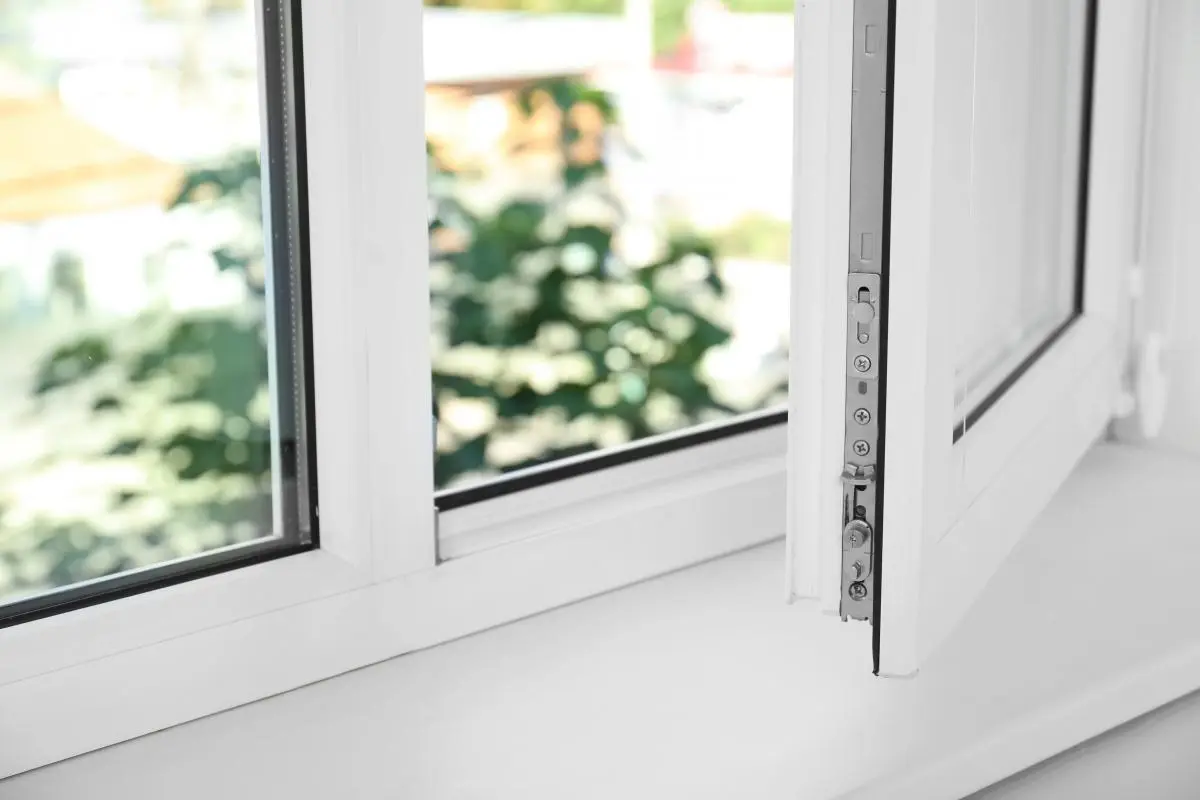
Dealing with condensation on windows hinges on two principles: high-quality insulation and regular ventilation. Modern energy-efficient windows have warmer surfaces, so moisture is less likely to condense on them, but technology alone doesn’t solve the problem: homes need help “breathing,” according to Kertvár.
Simple daily habits yield the best results. After cooking or taking a shower, it’s a good idea to ventilate the room thoroughly for 5–10 minutes. A dehumidifier can help in corners and rooms where air stagnates. Sometimes it’s enough to replace a worn-out window seal. It’s best not to dry wet clothes indoors, as this is one of the biggest sources of moisture.
The cleanliness of the windows is also important. Dust and fine dirt trap moisture, so it’s recommended to wipe the window panes with water and vinegar from time to time. Window frames and tracks should also be kept dry: this significantly reduces the risk of mold growth.
A dehumidifier is no substitute for ventilation
Water vapor condenses on cold surfaces. Therefore, if you dehumidify the air slightly, condensation—and consequently mold—will decrease or disappear entirely. At the same time, you shouldn’t overdry the room: Ket Noakes, a professor at the University of Leeds who studies air quality, considers an air humidity level of approximately 40% to 60% to be ideal.
“High humidity is associated with mold and the growth of other microorganisms. Very low humidity—say, below 40%, and certainly below 30%—is linked to things like respiratory viruses,” Knox emphasizes.
The professor warns that a dehumidifier does not eliminate mold itself, but only removes some of the moisture that contributes to its growth. If there are leaky pipes or damp walls in the home, the device alone will not solve these problems. Therefore, it’s important to ventilate and heat the home in addition to using the dehumidifier.
Ray Galvin, an engineer at the Cambridge Institute for Sustainable Leadership, tested the dehumidifiers’ effectiveness. In a 1930s-era house, the device ran for about four hours every night, consumed 1 kWh of electricity, and collected an average of over a pint of water (approximately 0.57 liters). According to the residents, the condensation—which mostly appeared on the windows—disappeared.
For those without a dehumidifier, Galvin recommends the German method known as “Stosslüften,” or “shock ventilation”: open several windows wide for a few minutes, then close them. This does not cool the house down, as the walls retain heat, but it significantly reduces relative humidity. Noakes also recommends this method, especially right after cooking or doing laundry.