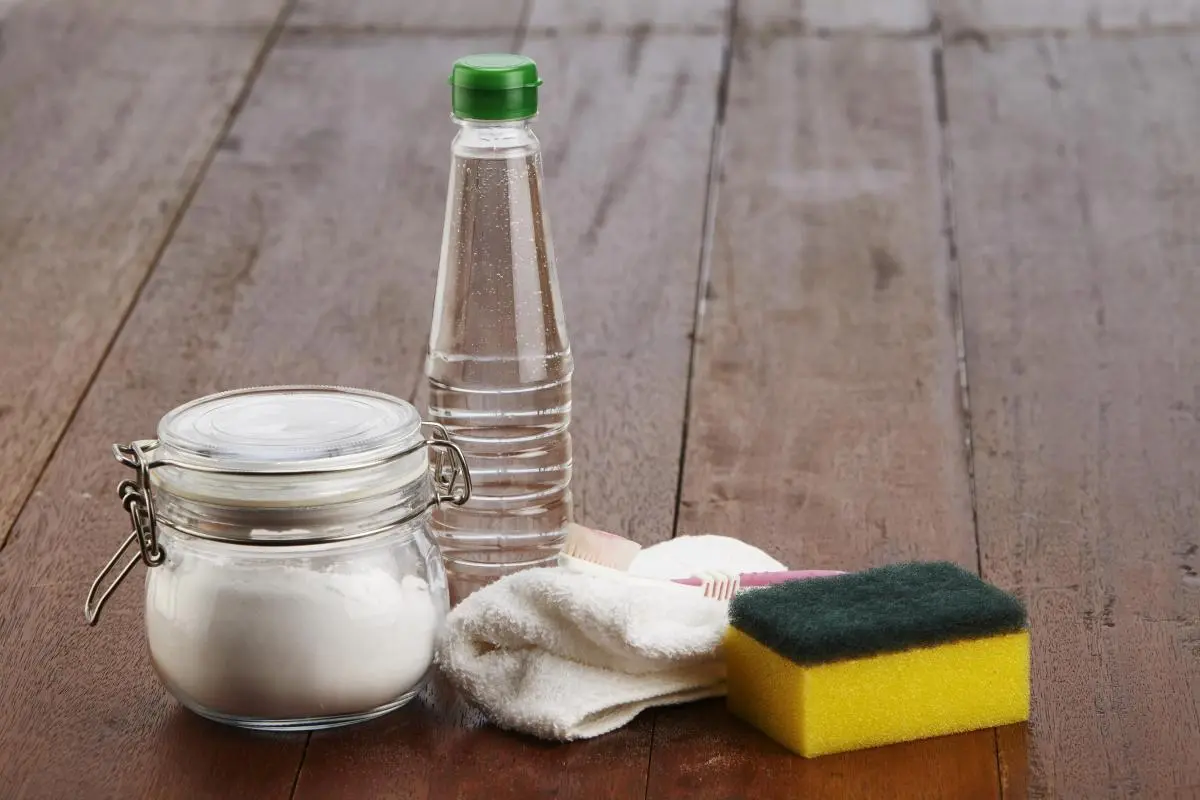
To remove stubborn limescale from the showerhead nozzles, experts recommend using citric acid rather than baking soda or vinegar. It helps soften mineral deposits and restore water pressure, but it must be used with caution to avoid damaging the surface, according to El Cronista.
The problem arises from hard water, which contains dissolved calcium and magnesium. When the droplets dry, the minerals remain on the surface and gradually form a hard, whitish layer. This causes some of the nozzles to become clogged, the water flow becomes uneven, and the water pressure seems weaker.
Many limescale deposits contain calcium carbonate, which reacts with acids. The buildup breaks down, making it easier to rinse away with water. Baking soda, on the other hand, has a slightly alkaline reaction, so it’s better suited for light cleaning and odor removal than for tackling calcium deposits.
How to Clean a Faucet Without Causing Damage
Before cleaning, check the manufacturer’s recommendations, as some materials are sensitive even to diluted acids. Any product containing citric acid must be diluted strictly according to the instructions on the label. A removable showerhead can be soaked so that the solution completely covers the buildup, but do not exceed the recommended soaking time.
After treatment, gently clean the nozzle with a soft toothbrush or a non-abrasive cloth, avoiding sharp objects and metal brushes, and then rinse thoroughly with clean water. If discoloration or cloudiness occurs, stop the procedure immediately. Do not mix citric acid with bleach or other household cleaning products.
Why Does Limescale Reduce Water Pressure?
Water with a concentration exceeding 180 mg/L, calculated as calcium carbonate, is classified as very hard. As this water flows through pipes over time, scale gradually narrows their inner diameter. As a result, water flows less freely and pressure drops, explains the U.S. Geological Survey (USGS).
Cleaning experts recommend a light cleaning of the showerhead every month and a thorough cleaning every three to six months, especially in regions with hard water. “Regular maintenance extends the life of plumbing fixtures and ensures better water pressure and hygiene,” notes Jessica Blelek, co-founder of the cleaning company Jessie Clean, as quoted by TODAY.
The expert also warns about the risks to decorative finishes. “Brass, gold, and matte black can be sensitive to vinegar or citric acid,” Blelek emphasizes. She advises first testing the solution on an inconspicuous area or consulting the manufacturer, and thoroughly rinsing away any acid residue after cleaning, as it can damage materials over time.