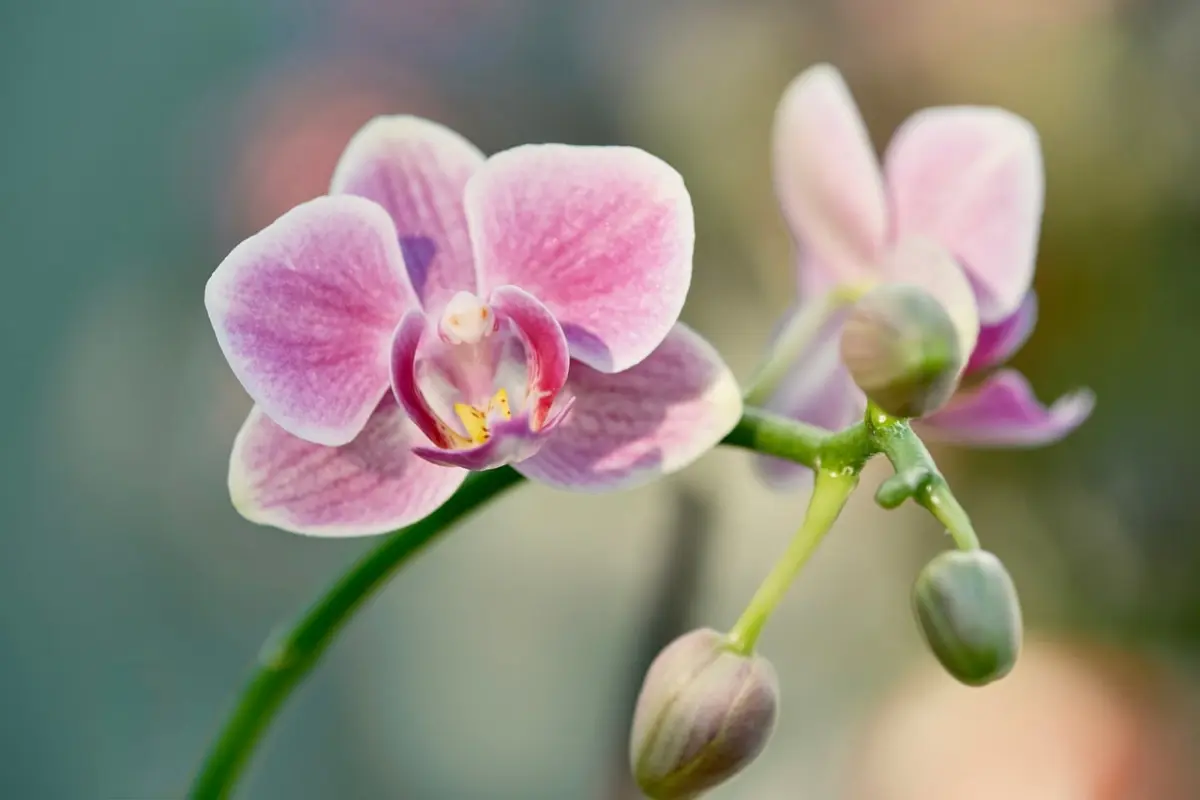
A garlic infusion, which takes just a few minutes to prepare, is said to strengthen orchids, protect them from pests, and promote more abundant blooming without the need to buy new fertilizers. This homemade method is recommended by Magdalena Patach, editor of a Polish website. She began watering her plants with it after her orchids failed to bloom for two seasons, according to Smakosze.
According to Patacz, garlic contains sulfur compounds, as well as phosphorus and potassium, which orchids lack in a typical bark-based growing medium. Sulfur promotes protein synthesis and makes the flowers stronger and more vibrant. Potassium regulates water balance and increases the plant’s resistance to stress, particularly after repotting.
In addition, garlic has antifungal and antibacterial properties that inhibit the growth of mold and root rot in damp bark. The smell of sulfur repels aphids and spider mites.
To make the infusion, use 2 cloves of garlic per 1 liter of boiled, cooled water. Crush the cloves with the flat side of a knife, leave them in a sealed jar in a dark place for 24 hours, and then strain the mixture. Before watering, dilute the infusion with clean water in a 1:3 ratio and use it instead of regular water once every two weeks, preferably in the morning.
Patach warns that a solution that is too concentrated or frequent watering can irritate the delicate roots. Therefore, she advises first testing the solution on a single plant and observing it for a week. The author also emphasizes that garlic infusion only supplements specialized orchid fertilizer; it does not replace it.
Expert Questions Its Benefits
Not all experts share the enthusiasm for this life hack. Houseplant expert Samantha Hermann doubts that such a remedy can serve as the basis for caring for these flowers, according to House Digest.
“No, garlic water isn’t the key to a thriving orchid. They need a balanced fertilizer with all the necessary macro- and micronutrients. Garlic-infused water contains far too few nutrients,” Hermann emphasized.
According to her, food scraps such as banana peels or eggshells do indeed contain traces of nitrogen, phosphorus, and potassium. However, plants can only absorb these elements after they have been broken down by microorganisms. Therefore, Hermann advises composting garlic scraps. For watering orchids, she recommends rainwater—which is soft, slightly acidic, and chlorine-free—as well as a fertilizer with a guaranteed NPK content.
Garlic in the Lab
Scientists have also tested garlic’s antifungal effects on orchids. At Mahasarakham University (Thailand), extracts and essential oils from five medicinal plants (galangal, garlic, lemongrass, turmeric, and ginger) were tested for their activity against the fungus Colletotrichum, which causes anthracnose in orchids of the genus Dendrobium. An alcohol extract of garlic was compared with the fungicide mancozeb in the laboratory and in a greenhouse, with the preparations applied both before and after plant infection, according to an article in the *Journal of Pure and Applied Microbiology*.