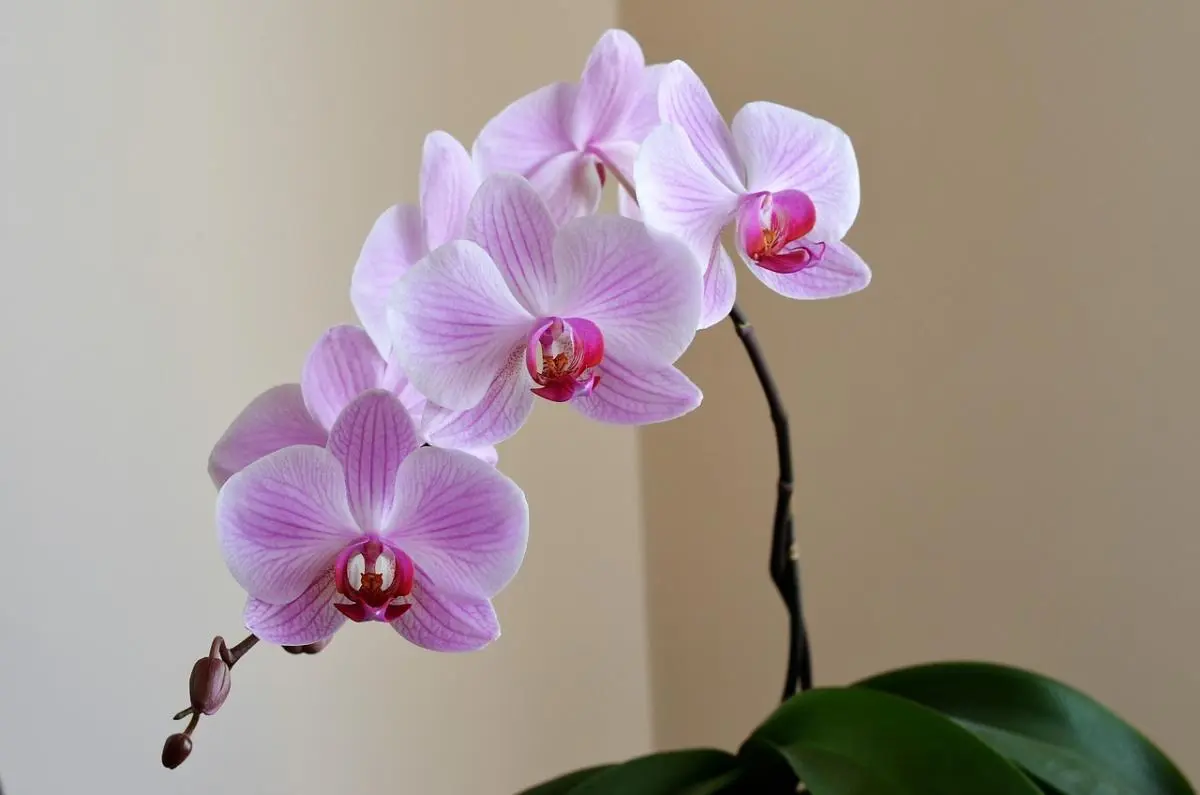
You can revive a wilted orchid with a two-step home treatment: first, soak it in a solution of baking soda, and a few days later, feed it a mixture of rice and oatmeal. After this treatment, the plant should grow new roots and bloom again, according to Deccoria.
Carefully remove the orchid from the pot and clean the roots of old potting mix. Cut off any rotten, dry, or damaged roots with disinfected scissors, and remove any yellow or withered leaves. Soak the new bark for repotting in water mixed with a spoonful of garden lime for 10 minutes.
To prepare the bath, dissolve a tablespoon of baking soda in 500 ml of room-temperature water and soak the plant in the solution for about 15 minutes. Wipe the leaves with a cotton pad dipped in the same solution, then rinse them with clean water. Afterward, plant the orchid in a pot with drainage holes without packing down the bark, and leave it in a well-ventilated spot away from direct sunlight for three days.
To fertilize it, grind three tablespoons of rice and one tablespoon of rolled oats into a powder, pour 500 ml of hot water over it, and let it steep for an hour. Dilute the strained liquid with another 500 ml of water and spray the base of the plant with it once every two to three weeks, in the morning or evening. Within two months, new green root tips should appear, and the leaves will become more supple.
What the Plant’s Appearance Reveals
Before trying to save the plant, it’s important to figure out exactly what’s causing it to wilt. Justin Hancock, a horticulturist at Costa Farms, advises first assessing whether you’re watering it correctly.
“Generally, if the leaves become soft and wrinkled, the orchid is slightly underwatered. If they turn yellow and fall off, the orchid is slightly overwatered,” Hancock notes, according to Martha Stewart.
Linda Langelo, a horticulturist at Colorado State University, emphasizes that repotting after removing dead roots prevents rot from spreading to the roots and the plant’s core. Henkok also warns that it’s better for a Phalaenopsis to be slightly dry than overwatered. Experts do not recommend repotting an orchid while it is in bloom.
Which Roots Should Not Be Touched
Experts at the University of Maryland remind us that aerial roots extending beyond the pot are normal for Phalaenopsis, so they should not be trimmed. They recommend changing the potting mix every 1–2 years, when the bark begins to decompose and no longer drains well. The best time to repot is when the plant has started new growth, according to the University of Maryland Extension.
Botanists at the New York Botanical Garden advise fertilizing orchids according to the “light but weekly” rule: use a balanced fertilizer at one-quarter of the recommended dose. Once a month, the plant should be rinsed with clean water to remove salt residue, emphasizes the New York Botanical Garden.