
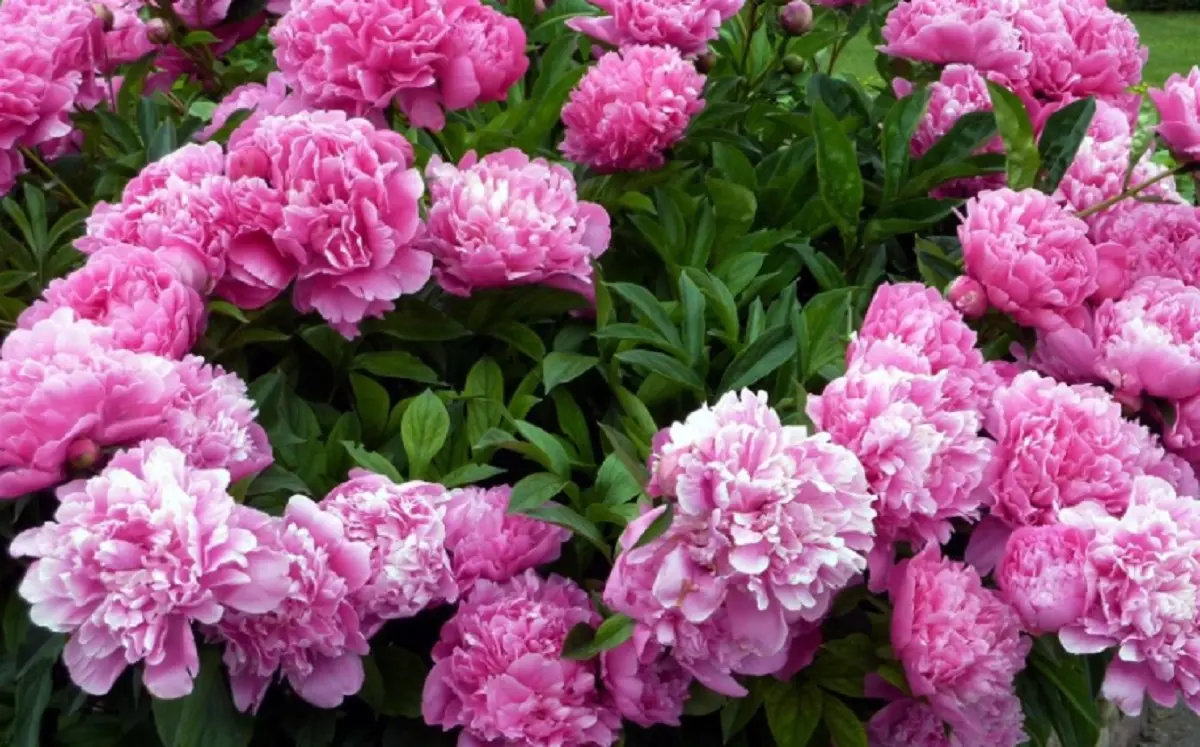
October remains one of the last favorable periods for planting perennials, trees, and shrubs in the fall before the first frosts arrive. The soil still retains heat, and the cool air reduces moisture evaporation, so plants have time to become established before winter and get a better start in the spring. However, not all species overwinter well in open ground, and the outcome depends on the weather, soil type, and planting location, according to Wprost.
Among the top candidates for October planting are peonies, especially bare-root rhizomes. These long-lived perennials thrive best in full sun, in fertile and well-drained soil, and cannot tolerate prolonged waterlogging. Gardeners most often make mistakes precisely when placing the planting material in the hole.
“The buds on the rhizome should be covered with a layer of soil about 2.5 cm thick. Planting the peony too deep can result in vigorous growth but no blooms,” warn the authors of Wprost.
After planting, water the peony and mulch the soil, taking care not to cover the buds themselves with a thick layer of mulch. Even a properly planted plant may take several seasons to bloom profusely.
What to Plant Now, and What to Wait For
Another option for a sunny flower bed is oak sage, which is prized for its long flowering period, tolerance to occasional water shortages, and ability to attract pollinators. October is suitable for frost-hardy perennial varieties, provided the ground is not frozen or waterlogged. It’s safer to plant frost-sensitive sage varieties in the spring, once the threat of severe frosts has passed.
In October, you can also plant ornamental and fruit trees and shrubs—especially frost-hardy ones—with bare roots or a root ball. After planting, water the plant generously, even in rainy weather, so that the soil firmly surrounds the roots, and mulch helps retain moisture and smooth out sudden changes in soil temperature. It is not recommended to plant in frozen or waterlogged soil.
Verbena bonariensis (Patagonian verbena) and gaura require special care. Verbena may not survive a Polish winter, especially in colder regions and in wet soil: a warm, sheltered spot and dry mulch improve its chances but do not guarantee survival. Gaura does not tolerate the combination of frost and excessive moisture well, so the risk of losing the plant is higher in heavy soil.
Bulbs: Planting Schedule and Container Ideas
A separate fall focus is on bulbs that bloom from late winter to early summer. The Royal Horticultural Society (RHS) recommends planting daffodils, crocuses, and hyacinths by the end of September; frost-hardy summer lilies, alliums, and crocosmia in September–October; and tulips in November, according to the RHS.
“Most spring-flowering bulbs require a period of cold weather to develop properly, so fall is the ideal season to select varieties and plant them in the ground or in containers,” the RHS emphasizes.
For pots, the society’s experts recommend containers with drainage holes and a peat-free, all-purpose potting mix, with gravel added if necessary. The bulbs should be planted closer together in pots than in the ground, but not so close that they touch one another. Planting in layers ensures a longer blooming period: tulips at the bottom, daffodils in the middle, and early crocuses closer to the surface.
To hide the withered foliage of bulb plants after blooming, plant frost-hardy geraniums, cuff grass, or ornamental grasses nearby. Daffodils, crocuses, snowdrops, and small-flowered tulips can be scattered across the lawn and planted where they land. Do not mow the grass after flowering until the foliage has completely died back.
For Christmas decorations, the RHS offers specially prepared paper daffodils and hyacinths. Keep them in a cool, dark place until roots form, and once shoots appear, move them to a well-lit room.