
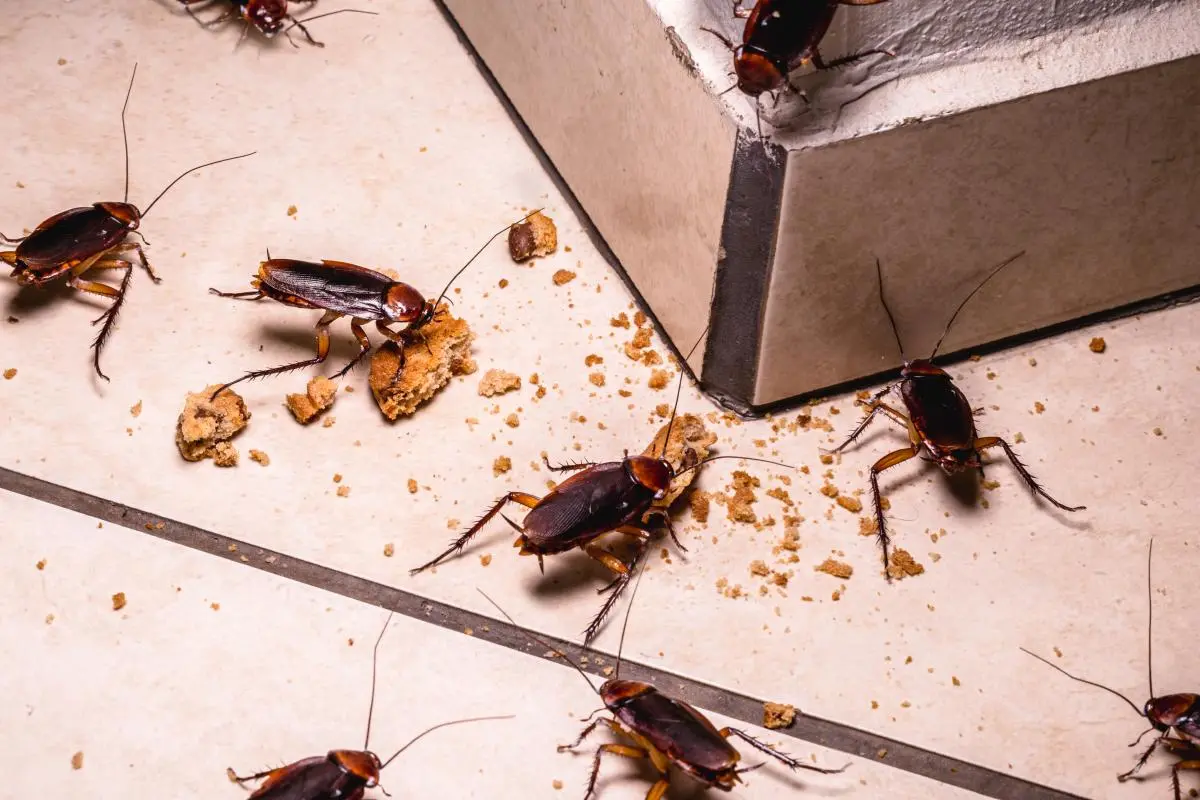
The most popular hiding spots for cockroaches in the kitchen aren’t the trash can or the pantry, but the microwave and the oven. These appliances are opened several times a day, yet people almost never check them for insects, according to The Coolist.
The Spanish publication OkDiario explains exactly what attracts insects to these appliances.
“Both give off heat, usually accumulate crumbs and grease, and have dark corners where they can hide unnoticed,” the article states.
Ecolab, a company specializing in hygiene, warns that cockroaches can carry E. coli and salmonella. Michael Potter, an American entomologist at the University of Kentucky, adds that the red cockroach “needs warmth, moisture, and food,” which is why it is most commonly found in kitchens and bathrooms. According to him, the insects “also gather in clocks, toasters, ovens, and other electronic devices that generate heat.” Terminix notes that cockroaches also nest in the gaskets and motors of refrigerators.
It’s not just germs that pose a threat. Cockroaches produce large amounts of allergens found in their saliva, feces, eggs, and shed exoskeletons: a single female can release up to 1,000 units of the primary allergen BlaG1 per day. Eliminating the colony significantly reduces allergen levels indoors and alleviates asthma symptoms, according to NC State Extension.
How to Regain Control of Your Kitchen
Signs of cockroach infestation: small black droppings resembling ground pepper, brown, elongated egg cases, shed exoskeletons near appliances, and a musty, oily odor. Experts advise wiping down the microwave and oven after each use, moving the stove and refrigerator aside from time to time to clean behind them, not leaving dirty dishes or pet food out overnight, and sealing cracks around pipes and wires.
Baits should be placed right up against the corners and edges of cabinets; the gel should be applied in numerous small drops, and cleaning products should not be sprayed nearby. According to Potter, cockroaches usually die within 1–3 days after eating the bait. Boric acid should be applied in a barely visible layer and should never be sprinkled on food preparation surfaces or inside electronic devices. If the number of insects has not noticeably decreased after a few weeks, it is advisable to contact professional pest control specialists.
Gel baits are generally more effective than container traps because they can be placed closer to the insects’ hiding places, and re-treatment should be carried out every 2–4 weeks until the insects have disappeared for at least a month. Aerosol “bombs” and electronic cockroach repellents do not kill the insects, and aerosol sprays—due to the insects’ resistance to insecticides—may drive them into neighboring apartments, warns Rutgers Cooperative Extension.