
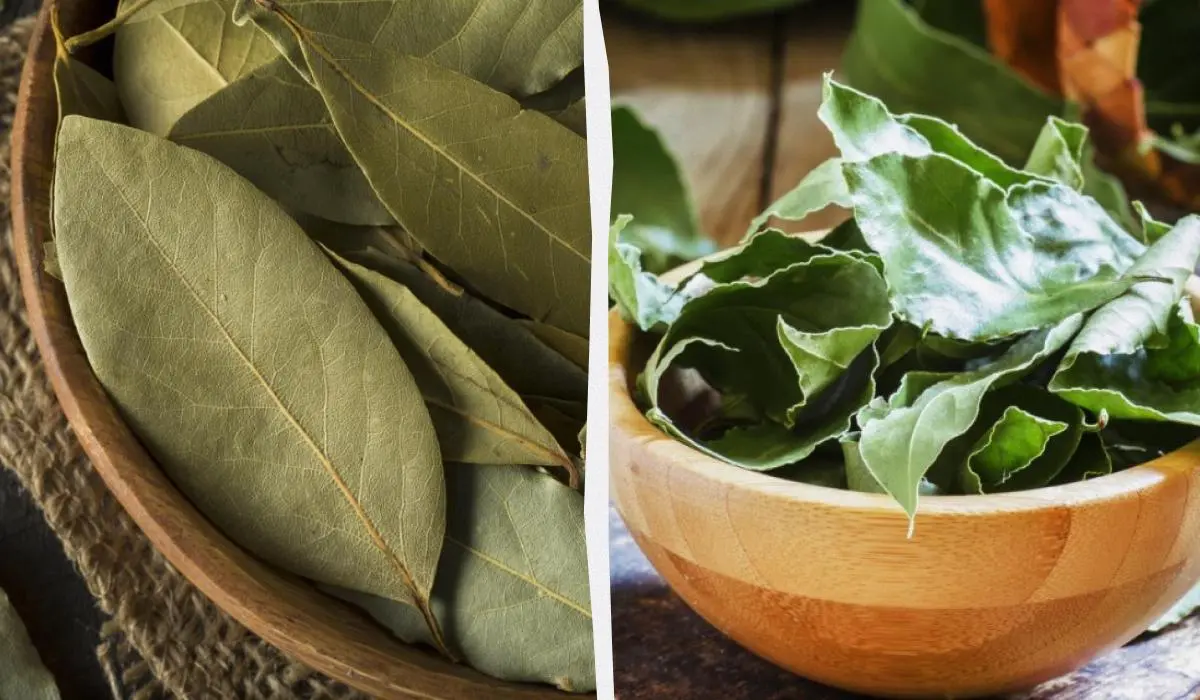
Every year at the start of the heating season, Italians return to a simple way of making their homes smell nice: placing three dry bay leaves near the radiator. This tradition has been passed down from grandparents, according to Mediafax.
You’ll need three clean, whole, and well-dried bay leaves. For safety reasons, it’s not recommended to place them directly on the radiator. It’s better to place the leaves in a small heat-resistant dish and set it next to the radiator so that it doesn’t obstruct air circulation.
Following the same principle, many Italian families place fresh mandarin or orange peels on their radiators in the fall. The heat releases the citrus aroma, and the room is filled with the scent at no cost.
What’s Hidden in Bay Leaves
The noble laurel (Laurus nobilis) is an evergreen plant native to the Mediterranean. Its commercial value is primarily linked to its essential oil and volatile compounds. These substances have a low molecular weight, high vapor pressure, and low boiling point, and the light terpenes evaporate even at room temperature, according to a scientific review published in the journal *Plants*.
The authors of the review note that crushed bay leaves have a distinctive aroma. The plant’s essential oil has antibacterial, antifungal, and antioxidant properties, which is why it is used in cosmetics—in creams, perfumes, and soaps. The leaves themselves have long been used as a seasoning for soups, fish, meat, and stews.
The chemical composition of bay leaf oil depends on growing conditions, the location and season of harvest, as well as the method used to dry the leaves. Turkey accounts for nearly 97% of global bay leaf production and exports it to 64 countries.