
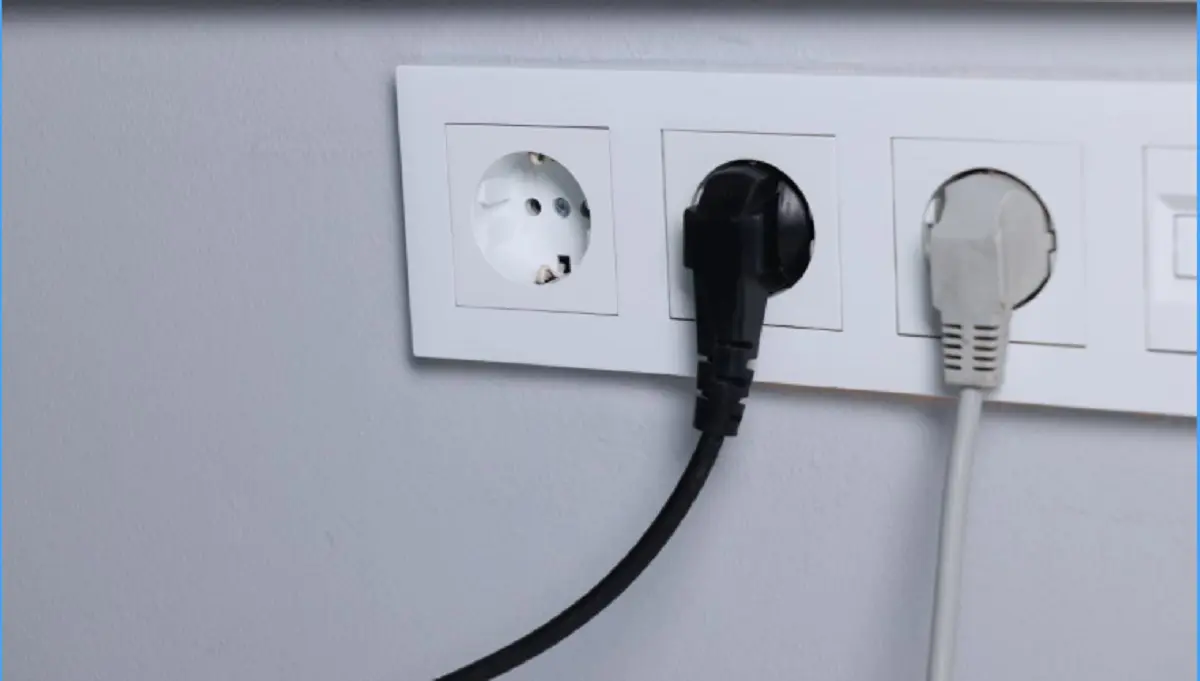
Yellowed electrical outlets and light switches can usually be cleaned with one or two drops of regular dish soap, but only after the power has been completely turned off and without letting any liquid get inside the device, according to Blikk.
Plastic covers turn yellow over time due to grease, dust, fingerprints, and other dirt. The color is also affected by material aging and sunlight. If the cause is dirt, thorough cleaning yields noticeable results. However, if the plastic itself has aged, no cleaning product will help, and the device will need to be replaced.
Safety First, Then a Cloth
Before cleaning, turn off the corresponding circuit at the electrical panel and use a voltage tester to verify that there is no current. While working, be sure to keep moisture from getting into the outlet openings or inside the switch.
Apply the cleaner not directly to the device, but to a slightly damp, well-wrung-out cloth, and gently wipe the plastic. Remove any remaining cleaner with a second, lightly dampened cloth, then thoroughly dry the surface. Power should only be restored once everything is completely dry. It is recommended to clean edges and hard-to-reach areas with a soft, dry brush to prevent dust from entering the openings.
Eaton, a manufacturer of electrical installation products, provides similar guidelines. The company warns against spraying any liquids directly onto the device and recommends using a mild liquid detergent mixed with water, then removing excess moisture with a dry cloth. Products containing chlorine bleach, ammonia, strong alkalis, or concentrated acids—such as hydrochloric acid found in toilet and tile cleaners—can cause the plastic to become brittle and discolored. Disposable wet wipes are acceptable only if they do not contain these substances, Eaton notes.
When You Can’t Do Without Electricity
If the yellowing hasn’t gone away after cleaning, the plastic has most likely discolored due to age or sun exposure. Don’t experiment with acetone, bleach, or other harsh chemicals: they damage the material and can make the problem even worse.
Cracks, brittleness, or signs of overheating are reasons to contact an electrician immediately. Replacing outlets and switches is inexpensive, but installation should be entrusted to a professional, who can also help you choose the right type of fixture.
To keep the covers clean longer, wipe them regularly with a dry microfiber cloth before dust has a chance to accumulate.