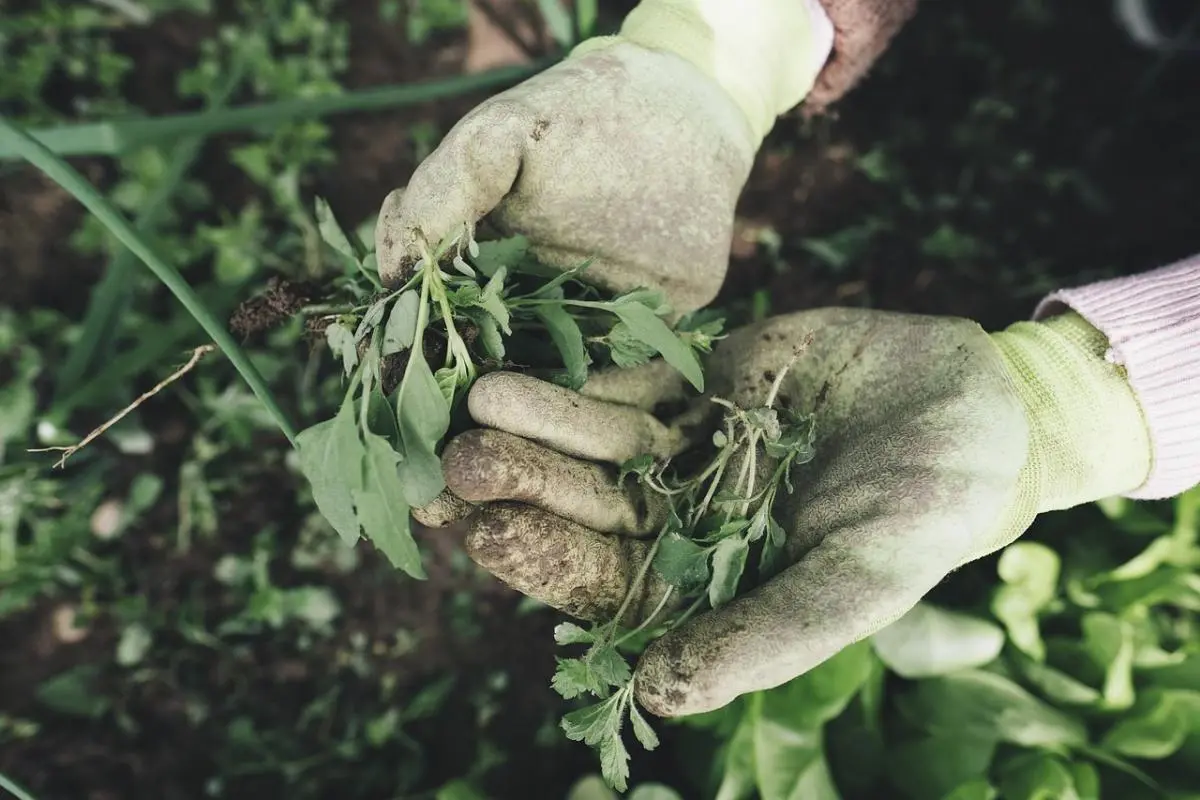
Gardeners are advised to cover flower beds and vegetable patches with plain cardboard by the end of November to get rid of weeds by spring. Experts consider fall—when plants die back and growth slows down—to be the best time for this kind of preparation, according to Glasgow Live.
Experts at GardeningExpress.co.uk recommend cardboard as a natural alternative to commercial herbicides. The material blocks out light, so existing weeds gradually wither, and their seeds do not germinate. Before use, remove any labels and plastic tape from the cardboard so that it can decompose completely.
The result depends on how thoroughly you apply it: even a small exposed patch of soil gives weeds a chance to survive.
“Lay the cardboard flat on the ground, making sure it completely covers the problem area and is pressed down tightly so there are no gaps. If you only have small pieces of cardboard on hand, overlap them by about 15 cm so that weeds cannot grow through the edges into the sunlight,” experts advise.
At the same time, they warn that the covering may need to be replaced after rain. Additionally, cardboard traps water and nutrients, so it should only be used in areas where you need to suppress weeds.
What Kind of Cardboard Works and Does It “Suffocate” the Soil?
The Oregon State University Extension Service emphasizes that only plain brown corrugated cardboard without a glossy finish or printing is suitable, and it must be thoroughly moistened before laying it down. The layer shouldn’t be too thick, as this slows down decomposition, which usually takes several months. Experts also say fall is a great time to start: the material decomposes over the winter, and by spring, the area is ready for planting. However, the Oregon State University Extension notes that the cardboard may not suppress hardy weeds, such as birch or couch grass, so it’s best to remove them beforehand.
Concerns that cardboard blocks the soil’s access to air have not been confirmed by laboratory data. Researchers compared several types of mulch and found that carbon dioxide and oxygen concentrations under the cardboard did not differ significantly from those in exposed soil. A noticeable difference was observed only under plastic film, while wood chips provided the best gas permeability, according to a study published in the journal *Soil and Tillage Research*.