
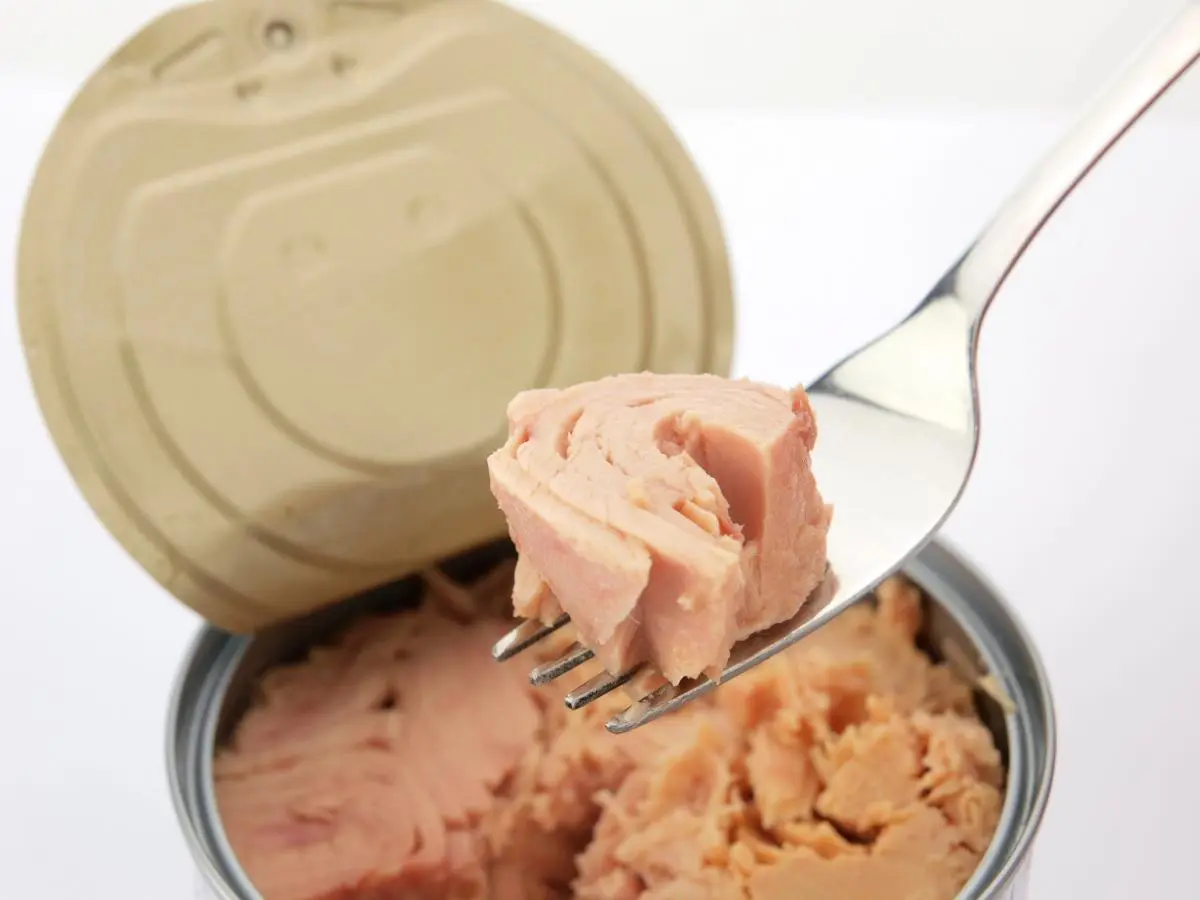
Swordfish, large tuna, and certain types of sharks are the worst choices of fish for children—not salmon or hake. Spanish fishmonger José María Sánchez warned about this in an Instagram video, explaining that these species accumulate too much mercury in their bodies, according to El Español.
Sánchez also included mako and cat sharks on the list of undesirable species. He urges families with children or those expecting a child to avoid these fish. They are categorically not recommended for young children or pregnant women.
At the same time, the expert warns against panic and emphasizes that the quality of the product itself is not the issue here.
“Are they spoiled? Do they have bacteria? Do they have a lot of bones? No, the problem isn’t with the fish itself, but with the fact that these fish accumulate high levels of mercury,” says Sánchez.
Why Large Predators Are Dangerous
The mercury content in fish depends on its place in the food chain, so large, long-lived predatory species accumulate the highest concentrations of this metal. The most vulnerable groups are pregnant women, women planning to become pregnant, or those who are breastfeeding, and young children. Mercury can affect the developing central nervous system, particularly through the placenta and breast milk, according to the AESAN website.
The Spanish Food Safety Agency advises these groups, as well as children under 10, to completely avoid swordfish, shark, bluefin tuna, and pike. Children aged 10–14 should limit their consumption of these species to 120 grams per month. For the rest of the population, the agency recommends 3–4 servings of fish per week, varying the types.
Ángel Gutiérrez, a member of AESAN’s scientific committee, warns that excessive consumption of such fish can cause neurodevelopmental disorders, a decrease in IQ, as well as problems with memory, attention, and language acquisition in infants. At the same time, according to EFSA surveys, 34% of adolescents and adults and 33% of pregnant women in Europe eat fish with high mercury levels more than three times a week, reports El Economista.
“The risk from mercury exists from a toxicological standpoint, but it does not materialize under normal consumption conditions. The solution is not to avoid fish, but to consume it in accordance with the recommendations,” Gutierrez emphasized.
Sardines Instead of Swordfish
Sánchez is convinced that there are plenty of fish species on the market that are safe to give to children.
“Most fish can be eaten without any problems—sardines, hake, small flounder, mackerel, or anchovies. Plus, they’re very good for your health,” the vendor notes.
These species are low in mercury and provide the body with protein, iodine, vitamin D, and omega-3s, which are especially important for growing children.
“Many people start to avoid fish because of this, but that’s not the solution. You just have to know how to choose,” emphasizes Sanchez, who eats fish every day himself.