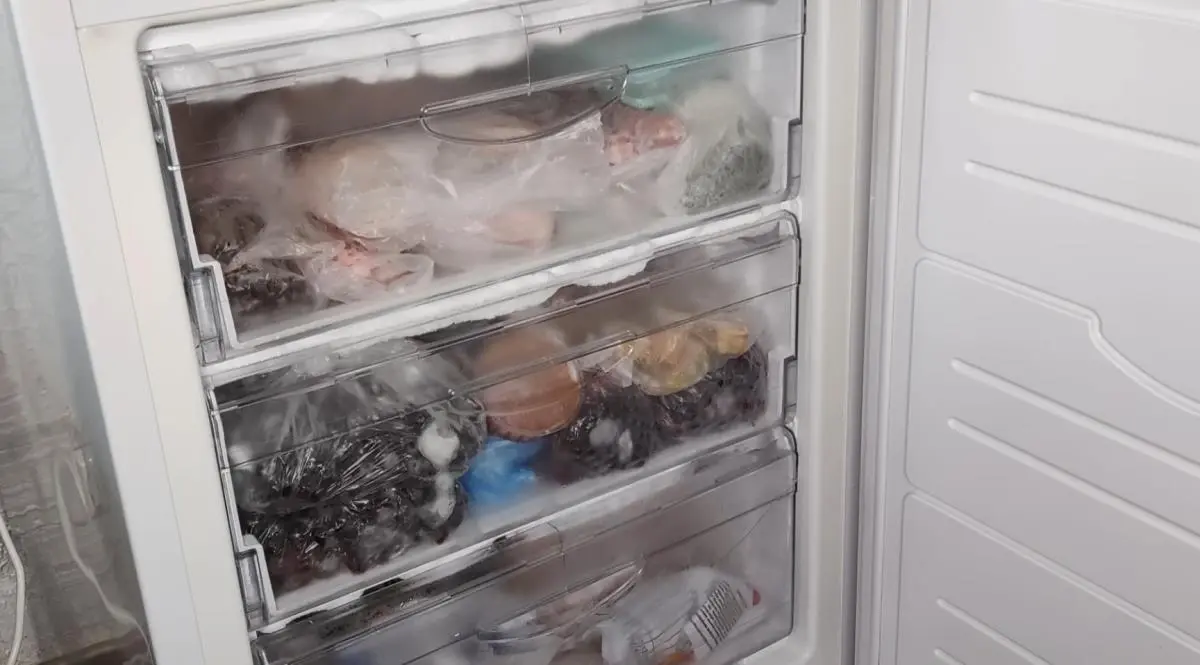
The refrigerator doesn’t preserve all foods: tomatoes lose their flavor, and bread goes stale faster than it does on the kitchen counter. KertVár reports this, citing recommendations from the Hungarian Food Chain Safety Authority and scientific research.
The publication has compiled a list of eight foods that are most often stored incorrectly. Many people consider the refrigerator a universal safeguard against spoilage, but some fruits and vegetables lose their flavor faster in the cold than at room temperature.
Tomatoes Are Better in the Pantry
In 2016, American scientists published a study showing that the aromatic compounds responsible for the flavor of tomatoes are sensitive to temperatures below 12 degrees. The sugar and acid content remains unchanged during refrigeration, but the aroma noticeably weakens. Even after 24 hours at room temperature, it does not fully recover.
At the same time, German researchers concluded that short-term storage in the refrigerator does almost no harm to tomatoes. According to the scientific journal, the lead researcher of a 2016 study also recommends putting tomatoes in the refrigerator if you won’t be able to eat them in time, because it’s better to have vegetables that are slightly less flavorful than spoiled ones.
Bread needs a bread box or the freezer
Bread does not stay fresh longer in the refrigerator; on the contrary, it goes stale faster. Drying out is caused by the recrystallization of starch, and this process occurs most intensively at refrigerator temperatures. So bread dries out twice as fast in the refrigerator as it does on the counter.
The Hungarian agency classifies bread as a food that should be stored in a dry, cool place. If it isn’t eaten within a few days, it’s recommended to slice the loaf and freeze it: bread keeps for months in the freezer, and you can take it out a slice at a time.