
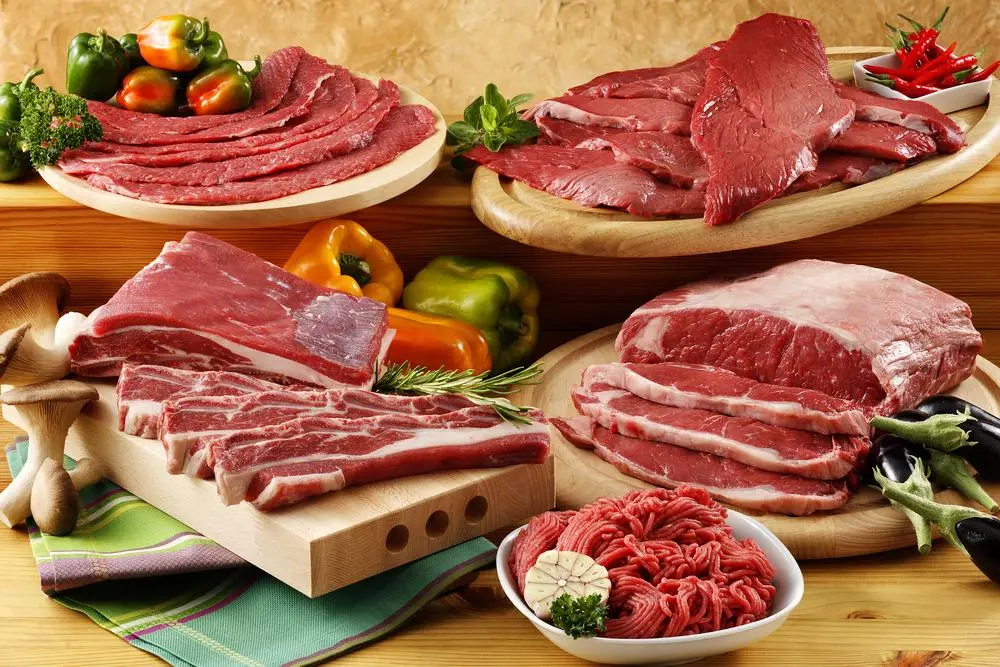
Veal, which is prepared much less frequently in Poland than chicken, turkey, or pork, is an underrated source of high-quality protein, easily absorbed iron, zinc, and vitamin B12, while containing relatively little fat, according to Planeta.pl.
100 grams of raw lean veal contains approximately 20–22 grams of protein, 2–6 grams of fat depending on the cut, no carbohydrates, and typically 110–150 kcal. The calorie content of the finished dish increases significantly if you add butter, oil, breading, or a fatty sauce.
Why Veal Is Healthy
Veal protein contains all the essential amino acids, so it is recommended for people with active lifestyles and those who ensure they consume enough protein. The body absorbs heme iron from meat more easily than non-heme iron from plant-based foods, and vitamin B12 plays a role in red blood cell formation and nervous system function: a deficiency can lead to anemia and neurological disorders.
Thanks to its fine muscle fibers, lean veal is easier to chew and digest than fattier cuts of meat. For a light meal, it’s best to boil it, braise it with vegetables, roast it in a roasting bag, or use it to make soup, and serve it with porridge, potatoes, or rice and vegetables to add fiber.
What Cardiologists Say
At the same time, veal is a type of red meat, which often contains a lot of saturated fat. Excessive consumption can raise levels of “bad” LDL cholesterol, triglycerides, and TMAO—a substance linked to the risk of heart disease, heart attacks, and strokes, according to Northwestern Medicine.
Doctors believe that as part of an overall healthy diet, red meat can be eaten once or twice a week, for a total of about 510 g. Sausages, bacon, and other processed meats are the most harmful to the heart, so the difference between types of meat is significant.
“There’s nothing wrong with eating lean red meat as a source of protein. However, limit the amount of processed meat you eat,” emphasizes Mika Eimer, a cardiologist at Northwestern Medicine.
Doctors recommend cooking meat at temperatures up to 150°C, avoiding burning, and opting for baking, braising, or steaming instead of grilling. People with high cholesterol, diabetes, obesity, high blood pressure, or a family history of heart disease should be especially careful.