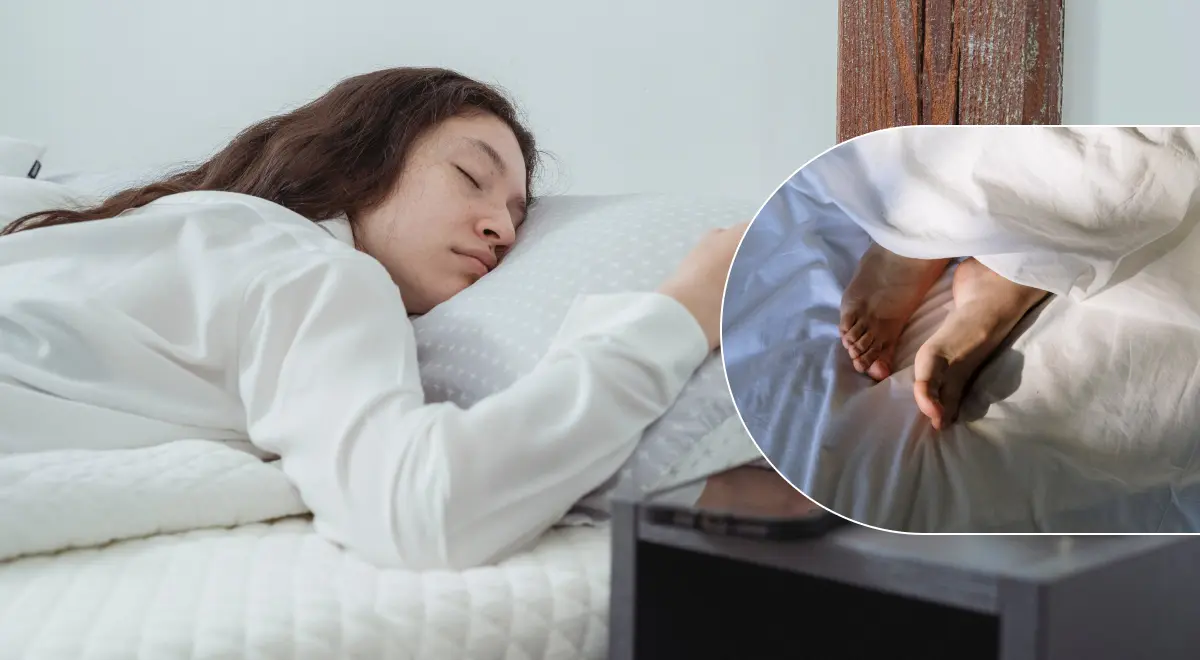
Bedding—sheets and pillowcases—is often overlooked during regular cleaning, even though it’s recommended to wash it about once every seven days. Every night, microbes, dead skin cells, sweat, skin oils, and dust mites accumulate on the fabric, according to Good Housekeeping.
You should wash your bedding more often if pets sleep in the bed, if someone in the family has allergies to dust or pollen, sweats heavily, or has an infectious disease. Duvet covers, blankets, mattress pads, and the mattress itself can be cleaned less frequently.
Dust mites live in mattresses, bedding, upholstered furniture, carpets, and curtains, and feed on human and animal skin flakes. They are a major source of allergens and can exacerbate allergies and asthma. It is impossible to completely eliminate dust mites, but their numbers can be reduced by washing all bedding weekly in hot water at a temperature of 54–60 °C, and by freezing items that cannot be washed overnight. The U.S. National Institute of Environmental Health Sciences (NIEHS) also recommends using allergen-proof protective covers for mattresses and pillows.
What Scientists Found on Pillowcases
American researchers collected samples from nine standard locations in 40 homes in North Carolina, including pillowcases, toilet seats, cutting boards, and doorknobs. It turned out that bacterial diversity is typically lower on surfaces that are cleaned regularly than on those that are rarely cleaned. The presence of dogs also had a noticeable effect: in such homes, bacterial communities were more diverse, according to a study published in the journal PLOS One.
Light switches and handles are also at risk
Another often-overlooked area includes light switches, doorknobs, cabinet handles, and faucet handles. Experts recommend wiping them down with a disinfectant wipe or antibacterial spray every evening, according to The Spruce.
“You’d be surprised how often they’re touched, how rarely they’re cleaned, and how easy they are to clean. When handles and light switches are kept clean, it shows that the household members are well aware of which common areas and touchpoints they use most often,” emphasizes Sarah Aparasio, a cleaning expert at Homeaglow.
First, wipe down the light switches with a damp cloth, making sure no liquid gets inside, and then treat them with a napkin or cotton pad moistened with 70-percent isopropyl alcohol, and let them dry.