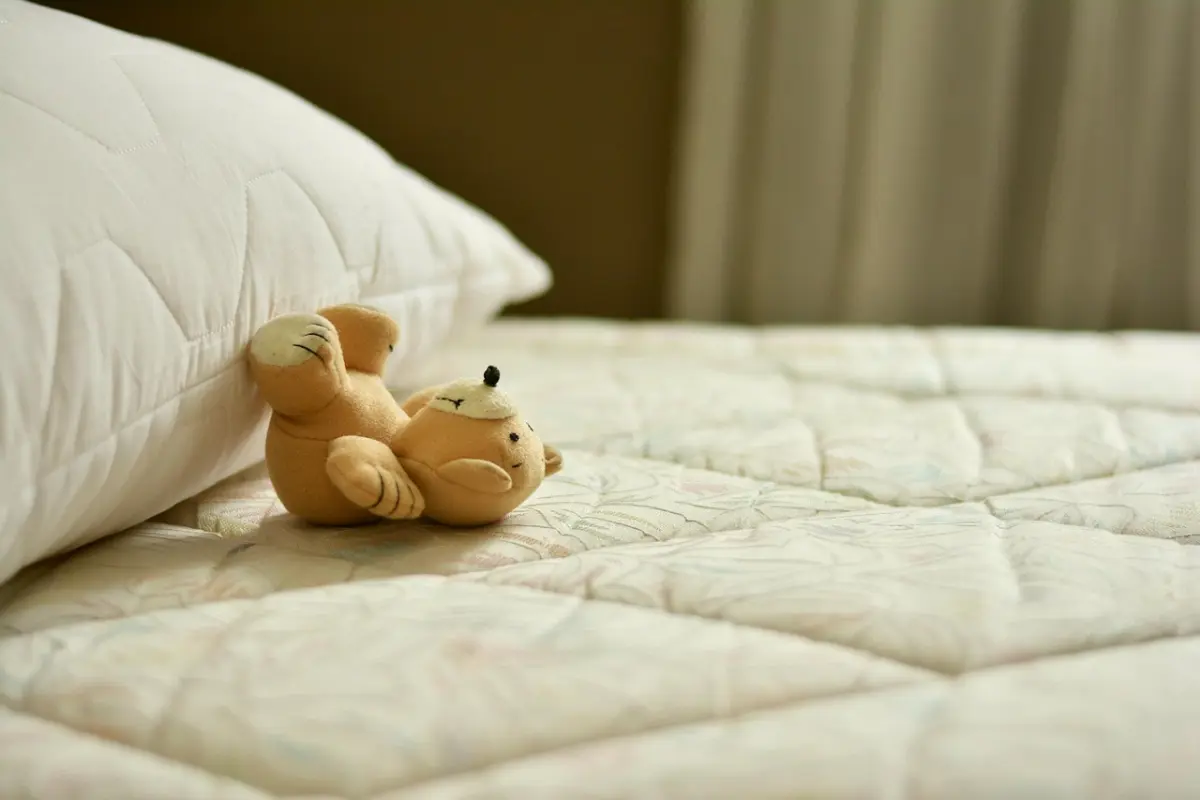
Stains from coffee, wine, pet urine, and yellow sweat marks on a mattress can be removed with spot cleaning without having to wash the entire mattress. This applies to both fresh stains and old ones that have built up over the years, according to Southern Living.
A fresh stain should be treated immediately, before it sets in. First, blot the liquid with paper towels, changing them until almost all the moisture is absorbed. Next, choose a treatment based on the type of stain. Food and drink stains—including coffee and wine—should be treated with an enzyme-based stain remover during the wash cycle and then blotted dry after a few minutes. For dark, stubborn stains, hydrogen peroxide mixed with a drop of dish soap works well: leave it on for 10–15 minutes.
Sprinkle baking soda or cornstarch on greasy stains and vacuum them up after half an hour. Treat urine and vomit stains with an enzyme-based cleaner; after 15 minutes, blot them dry and sprinkle baking soda on them for several hours to eliminate the odor. Moisten bloodstains with hydrogen peroxide, wait 10 minutes until it starts to foam, and blot with a cloth dampened with cold water.
How to Deal with Old Stains
Before treating old stains, vacuum the mattress to avoid rubbing the dirt into the fabric. For dried blood, sweat, and urine, products containing enzymes and oxygen bleach are recommended, or you can make a homemade spray: equal parts water and hydrogen peroxide, plus a few drops of dish soap. Leave it on for at least 15 minutes, then blot it dry. Hydrogen peroxide can lighten the fabric, so it’s better to use a regular enzyme-based cleaner on colored mattresses.
Soap residue is removed with a damp cloth, and the odor is neutralized with baking soda, which is left on for 30 minutes to several hours and then thoroughly vacuumed up. Once dry, stains sometimes reappear, so it’s a good idea to inspect the mattress before making the bed. Mattress protectors can help prevent stains; for families with children or pets, choose waterproof ones.
Clean More Often Than Just After “Accidents”
Carolyn Forte, former executive director of the Home Care & Cleaning Lab, recommends cleaning your mattress every three months, as it accumulates dust mites, skin flakes, hair, sebum, and sweat. She recommends removing stains with a carpet and upholstery cleaner designed to tackle pet stains, applying it from the edge of the stain toward the center without over-wetting the mattress, according to Good Housekeeping.
“It not only removes pet stains, such as urine and vomit, but also food stains, and contains enzymes to combat odors,” Forte notes.
Regular vacuuming also has a noticeable effect on allergens. In a study, twenty volunteers vacuumed their mattresses daily for eight weeks: the amount of dust mite allergens decreased by 85.1%, bacterial endotoxins by 71%, and fungal beta-glucans by 75.7%. The authors consider this approach a practical and inexpensive alternative to protective covers for people with allergies, according to a publication on PubMed Central.