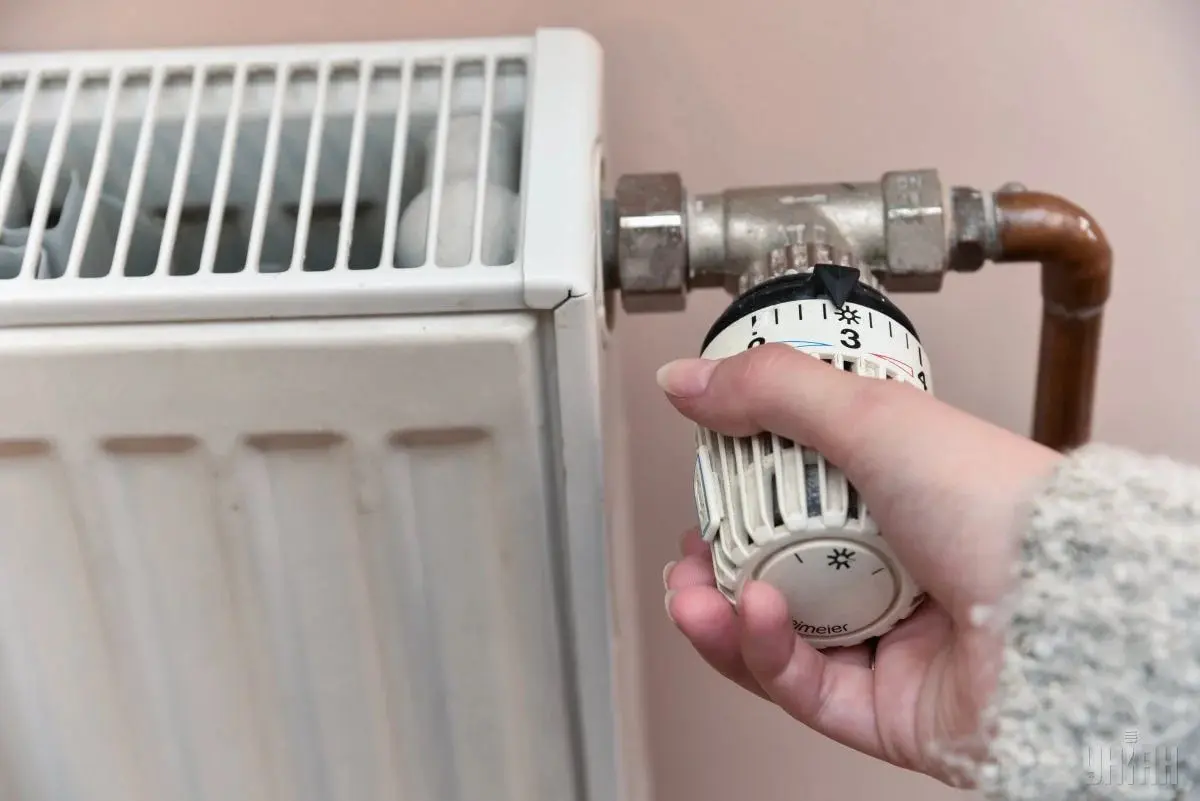
A radiator that is hot at the top and cold at the bottom does not always need to be bled: most often, the cause is restricted water flow, accumulated sediment, or a faulty valve. A certain temperature difference between the top and bottom is normal, since the water, as it flows through the radiator, gradually releases heat into the room, according to Wprost.
You should be concerned if the bottom of the radiator is noticeably cold and the room does not reach the desired temperature. Over the years of use, corrosion products, sludge, and other contaminants accumulate inside the system, hindering circulation.
Air in the system usually presents the opposite pattern: it accumulates at the top, which is why the upper part of the radiator remains cold. This is often accompanied by gurgling, noise, or the sound of water sloshing. In this case, bleeding the system will help, and it can be done even in winter.
To start, it’s recommended to set the valve to a higher temperature and check after 10–20 minutes to see if the situation has improved. You should also make sure the valve isn’t blocked and determine whether the problem affects one radiator or several. Moving furniture or curtains aside will improve the circulation of warm air in the room but won’t affect the flow of water inside the radiator.
Rust and Dirt Instead of Air
Matthew Jenkins, an energy expert at myjobquote.co.uk, described what happens inside old radiators in a comment to the Express.
“Because radiators are constantly exposed to moisture, over the years we often see a buildup of deposits—that is, dirt and rust. Over time, this buildup can begin to restrict and block the flow of hot water, preventing parts of the radiator from heating up,” Jenkins notes.
According to him, due to the blockage, the water is redirected to other parts of the radiator and simply doesn’t reach the bottom. One cleaning option the expert recommends is a chemical cleaner for heating systems, which should be drained along with the water after the radiators have been running for an hour. However, flushing the radiator requires removing it from the wall, so Jenkins advises those who aren’t confident in their abilities to contact a professional.
When You Can’t Do Without a Plumber
If adjusting the valve doesn’t help, and several radiators are showing similar symptoms, the problem is likely with the entire heating system. You shouldn’t try to troubleshoot it on your own: a plumber will check the water flow and the condition of the valves and determine whether cleaning a single radiator is sufficient or if most of the system needs to be flushed.
For multiple problematic radiators, Jenkins recommends pressure flushing, which requires special equipment. “If more than one of your radiators isn’t working properly, this may be the best option for you,” the expert emphasizes.
You shouldn’t ignore the problem throughout the entire heating season: if the cause is a worn-out valve or clogs, postponing repairs can make it harder to get the system working properly again later.