
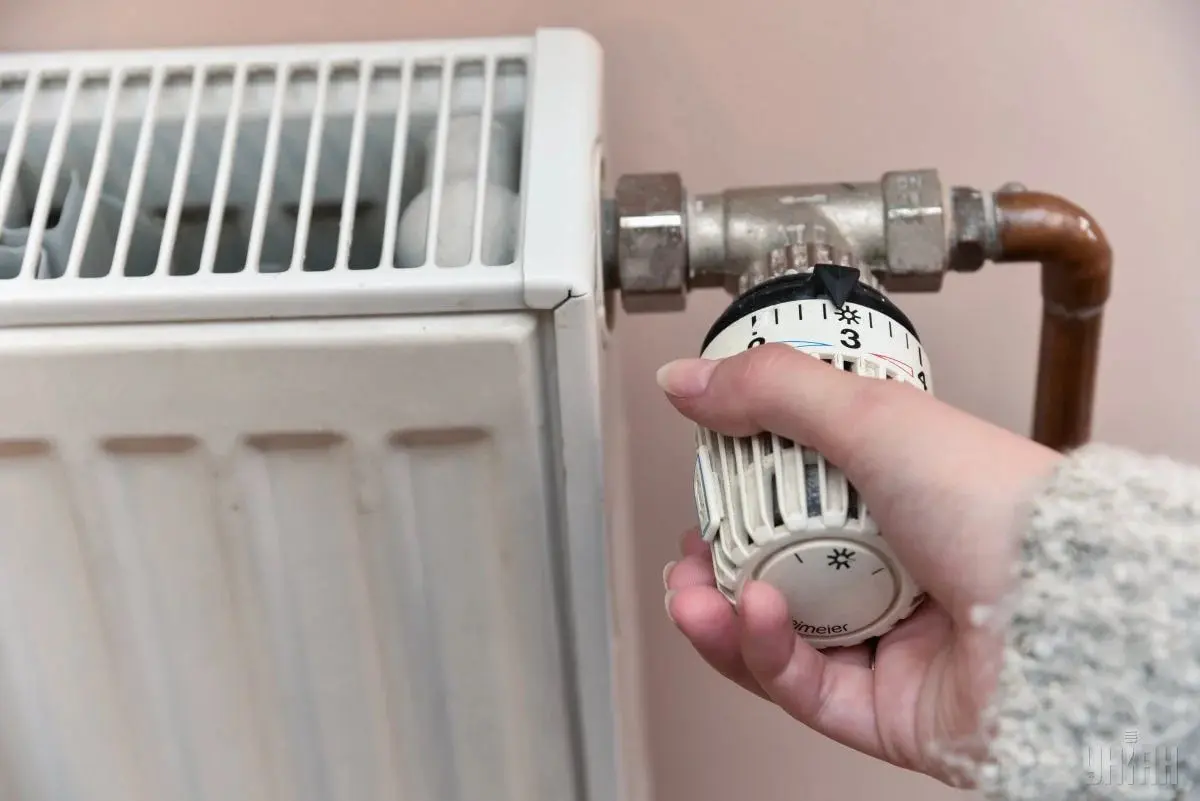
A radiator that remains cold on top and warm on the bottom after the heating is turned on most likely has air trapped inside. The problem is usually solved by bleeding the air, but in homes with their own boiler, you’ll also need to check the pressure in the system afterward, according to Digi24.
Air rises to the top of the radiator and forms a “pocket” there. Hot water circulates only through the unobstructed part, so the room heats up less effectively, even though the heat transfer fluid is flowing into the system. This most often happens at the start of the heating season, after several months of inactivity. If only one radiator is affected, start by checking that one. If several remain cold, it’s worth inspecting the entire circuit.
How to Bleed the System Properly
In a home with individual heating, if the equipment manual allows it, turn off the heating and wait for the radiator to cool down. Both valves—the supply and return valves—must remain open throughout the entire procedure. Place a container under the valve and lay a rag underneath, then slowly open the valve using a special wrench or screwdriver.
The key is to correctly determine when the procedure can be completed. According to plumbing technician Mihai Udriște, you’ll first hear air escaping from the radiator.
“Keep the valve open until the air has been removed and a thin stream of water begins to flow steadily from the opening, without interruptions or bubbles. It’s important to open it slowly to avoid a sudden loss of water and ensure controlled air release,” notes Udriște.
Once the water flows continuously, close the valve gently and check for leaks. The procedure may vary depending on the system configuration and the type of faucets, as the supply and return lines may be arranged differently.
Inefficient radiators drive up energy bills, warns Domestic & General expert Ian Palmer-Smith. He cites gurgling and knocking sounds in the radiator as another sign of air in the system and advises bleeding the system at least once a year as part of routine maintenance, according to RTÉ.
What Boiler Owners and Residents of Multi-Story Buildings Should Do
In homes with independent heating, simply bleeding the air is not enough: Udrište also advises balancing the entire circuit so that the coolant flows evenly to all radiators.
“When the heating system is powered by an individual boiler, removing air or water from the radiators can cause a drop in system pressure. In such a situation, it is necessary to restore optimal pressure directly from the boiler, and this operation must be performed by an authorized specialist to prevent possible imbalances or system malfunctions,” the technician emphasizes.
Before restarting the system, the reading on the pressure gauge or the boiler display is checked against the range specified in the manual. Residents of high-rise buildings with central heating should contact the building manager or homeowners’ association and report whether any apartments connected to the same riser are experiencing the problem.
If the radiator is completely cold, first check whether the control valve is open and whether the thermostatic head is blocked, which often happens after the summer break. A cold spot at the bottom may indicate deposits inside the radiator. If the top becomes cold again shortly after bleeding the air, a technical inspection is needed: air may still be entering the system due to a leak or pressure loss.