Chelsea Kaufman, a researcher at Johns Hopkins University, has deciphered the faded name of a dog on a mural in a 3,500-year-old Egyptian tomb. It can be translated as “He Who Is from the Afterlife.” The name is likely associated with Anubis, the god of death, mummification, and embalming. Thanks to this discovery, the number of known ancient Egyptian dog names has risen to 97, according to National Geographic.
Tomb TT21 in the Theban Necropolis, near modern-day Luxor, was built for User, a scribe and administrator during the reign of Pharaoh Thutmose I. In its murals, dogs wearing collars are depicted sitting beneath their master’s chair. The names of two of the animals were already known: “Strong” and “Faithful.” The third dog on the eastern wall had remained unnamed until now.
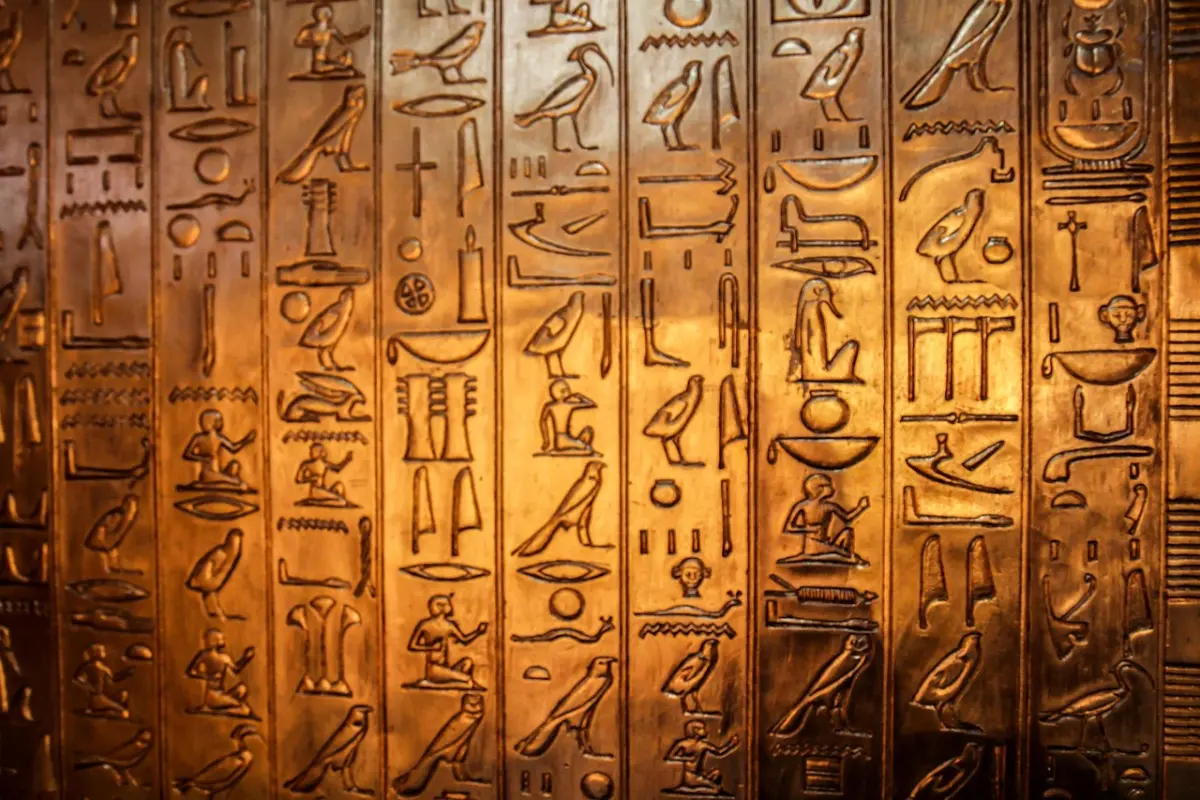
Kaufman noticed faint traces of an inscription behind the animal’s head. She processed the photographs of the mural using the DStretch program, which enhances the contrast of preserved pigments, and was able to decipher the faded hieroglyphs. A name like this has been found among human names before, but this is the first known instance for a dog.
Egyptologists had studied the tomb before, but they were unable to make out the inscription without modern digital tools. The name was read as Duati.
“This name is completely unique among the known corpus of dog names from Egypt. We know of only about 100 dog names from Egypt, several of which are duplicates, but Duati is entirely new,” Kaufman told The Art Newspaper.
At the same time, the researcher cautions against drawing definitive conclusions about why the dog was given this particular name.
“The meaning of the name remains an open question. It’s tempting to interpret it as a direct reference to Anubis, but we simply cannot be certain that this was the intention,” Kaufman emphasizes. She also suggests that the name might indicate that the dog had already died by the time the tomb was painted, but calls this merely a hypothesis.
Wavy Fur and a Rare Hieroglyph
The study was published in *The Journal of Egyptian Archaeology*. Kaufman notes that another interpretation—“disciple”—is theoretically possible, but in a funerary context, it seems less convincing to her. The dog’s appearance also stands out: its white body is covered with red wavy stripes resembling the pattern on Usher’s own clothing. According to the researcher, no other known depiction of a dog in Egyptian art features this coloration, reports Arkeonews.
The determinative hieroglyph next to the name is also unusual. Dog names were usually denoted by the sign of a standing dog, but here the animal is depicted sitting in the same pose as the dog in the mural. Among known dog names, this symbol appears only once more—on a dog’s coffin from the Middle Kingdom.
Kaufman believes that depictions of animals alongside their names also had religious significance. In Egyptian funerary tradition, the preservation of a name and image was linked to the deceased’s continued existence in the afterlife. Therefore, beloved dogs immortalized on the tomb’s walls could “preserve” their identity after death alongside their owner.