
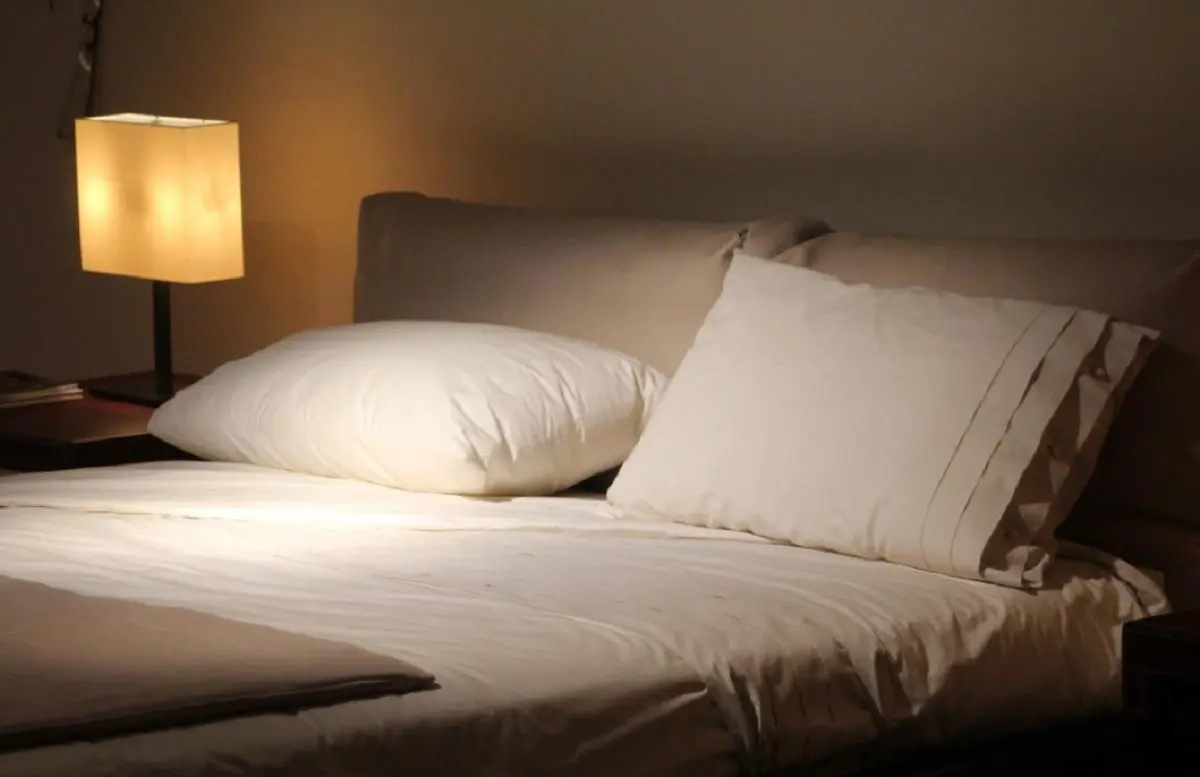
Yellow stains on pillows don't always mean it's time to throw them away. Most often, they’re caused by sweat, saliva, natural skin oils, and hair products, which seep through the pillowcase overnight, settle into the fibers, and eventually oxidize when exposed to air, according to Cronista, citing Good Housekeeping.
Therefore, a surface wash is often not enough to restore the white color. The cleaning method depends on the pillow’s material and filling.
How to Get Rid of Yellow Stains
If the label allows for machine washing, experts at the Sleep Foundation recommend first applying a small amount of liquid detergent directly to the stains and letting it sit for 15 minutes. Next, wash the pillow in warm water on the delicate cycle, adding oxygen bleach if permitted by the manufacturer.
It’s also a good idea to run an extra rinse cycle to remove any remaining detergent and dirt. Use a dryer only if permitted, and don’t put the pillow back on the bed until it’s completely dry.
Memory foam pillows should not be placed in the washing machine: water and the drum’s rotation can damage their structure. Stains on these items should be wiped with a damp cloth and mild soap, unless the care label prohibits this.
To minimize staining, it’s recommended to wash pillowcases weekly, use removable protective covers, avoid going to bed with wet hair, and wash the pillows themselves every three to six months.
When to Replace a Pillow
Matthew Stein, Director of Testing at the Australian consumer organization Choice, recommends cleaning pillows about once every six months. According to him, latex products are best washed by hand; polyester, cotton, and microfiber pillows can be machine-washed in warm water; and down and feather pillows should be washed by hand or taken to a dry cleaner, ABC News reports.
According to Stein, there is no set timeframe for replacing a pillow: if it is cleaned regularly, it all comes down to whether it is still comfortable to sleep on. A Choice study found that only manufacturers of polyester pillows provide recommended lifespan guidelines.
“And we can’t find any evidence to support those dates,” Stein emphasizes.
For people with dust mite allergies, medical entomologist Stephen Doggett offers a simple way to combat them.
“Put the pillow in a hot-air dryer for 20 minutes, and that will kill most of the mites,” advises Doggett.