
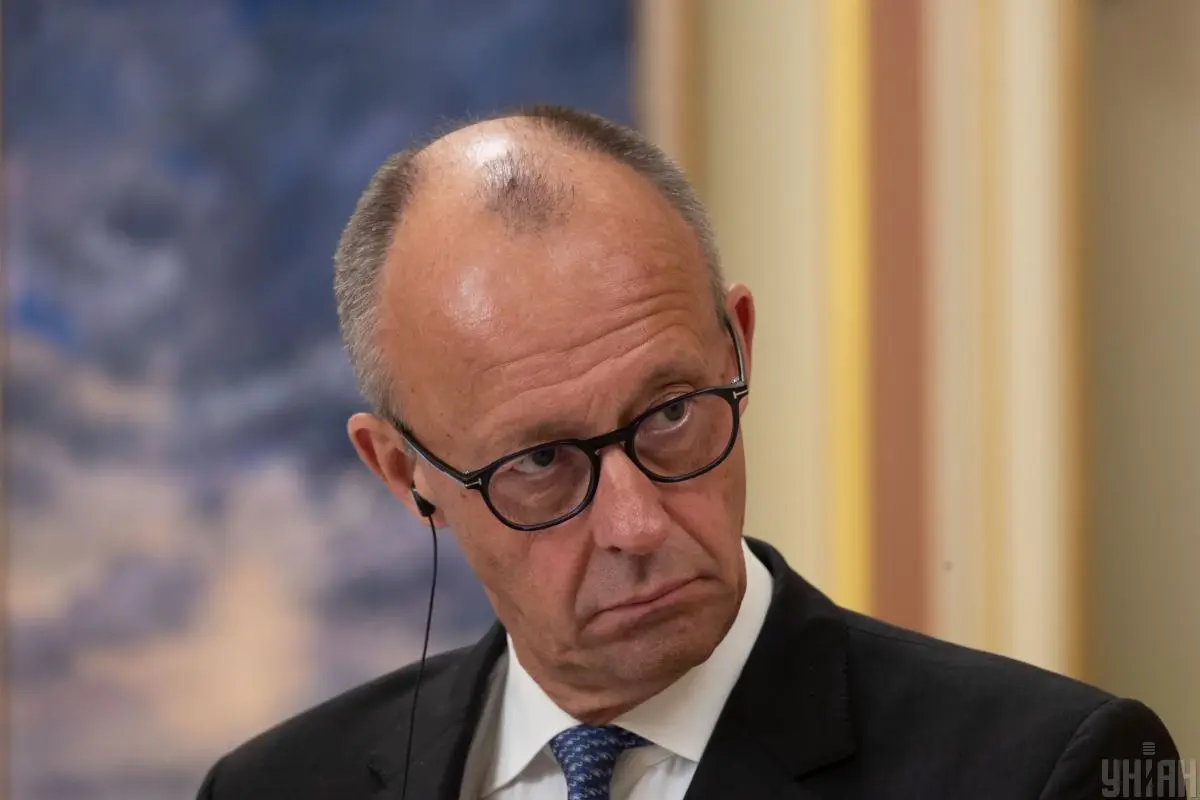
German Chancellor Friedrich Merz called NATO’s refusal to admit Ukraine into the Alliance in 2008 a mistake. He stated that, in light of the past, the U.S. proposal should not have been rejected at the Bucharest Summit, according to ZDFheute.
Merz made these remarks on November 23 at a press conference with NATO Secretary General Mark Rutte in Berlin. Journalists asked him whether he shared French President Emmanuel Macron’s view that the time had come to discuss Kyiv’s accession to the Alliance.
“If it had become a NATO member, this war could likely have been avoided,” the chancellor said.
Guarantees that are “very close” to membership
Macron recently, following the “coalition of the willing” summit in Berlin, called for a return to the topic of Ukraine’s NATO membership in light of Russia’s maximalist demands. Merz called the French position “logical in essence.” According to him, it aligns with the security guarantees that partners wish to provide Ukraine once the war ends. These guarantees should be “similar to Article 5” of the NATO Charter, under which an attack on one member of the Alliance is considered an attack on all.
The chancellor emphasized that such commitments are “very close” to NATO membership. “Frankly, I cannot imagine Ukraine’s future without the security guarantees it so urgently needs. And these are security guarantees not only for Ukraine, but for all of us,” Merz stated.
Merz’s position differs from that of his predecessor and fellow party member Angela Merkel. In late 2024, she defended her decision in 2008 not to grant Ukraine a Membership Action Plan. At the time, Merkel emphasized that she had done the right thing and pointed out that, at that time, a significant portion of Ukrainians opposed NATO membership.
Merz’s statements came amid reports that three Russian cruise missiles had fallen on Polish territory during massive strikes on Ukraine. The chancellor demanded that Moscow immediately cease “dangerous provocations” and assured that NATO would defend every inch of its territory.
A Compromise That Satisfied No One
At the Bucharest summit in April 2008, the administration of George W. Bush sought to grant Ukraine a Membership Action Plan, but failed to convince all allies. Since decisions in NATO are made by consensus, Kyiv’s application was not supported. Instead, the final declaration stated that Ukraine and Georgia “will become NATO members.” Former U.S. Ambassador to NATO Ivo Daalder called this wording “a compromise that satisfied no one,” according to PolitiFact.
“Since MAP is necessary to prepare a candidate for membership, the promise of future membership was just a promise. From 2008 right up until the days leading up to Russia’s invasion, nothing had changed,” Daalder noted.