
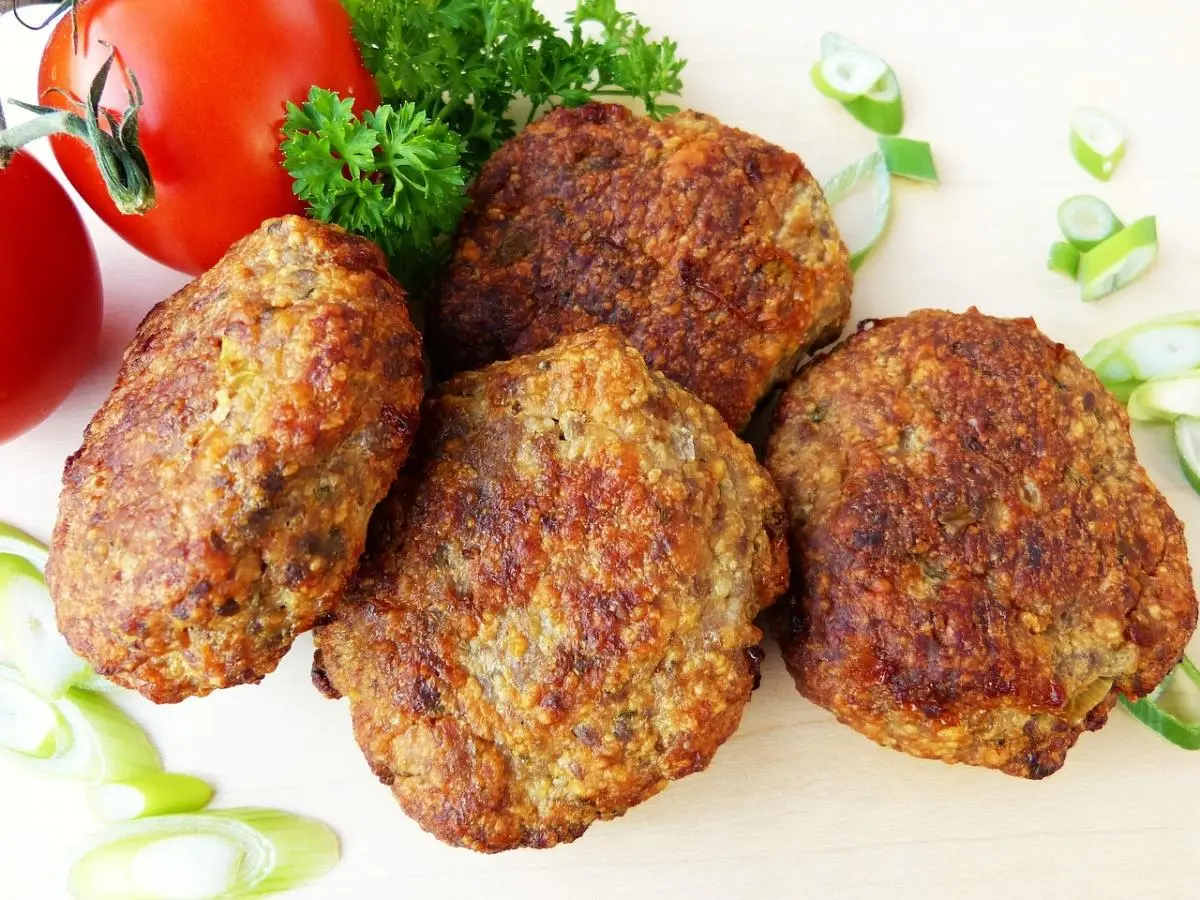
Clarified (melted) butter, also known as ghee, is better than sunflower or canola oil—and regular butter—for frying cutlets and meat patties. It can withstand high temperatures, so the breading becomes crispy and golden, burns less easily, and the meat takes on a more appetizing aroma, according to Planeta.pl.
This fat is obtained by removing water, milk proteins (casein), and lactose residues from butter. It can be made at home: the butter is slowly heated until the proteins separate as foam, which is then skimmed off. The smoke point of clarified butter is approximately 230–250 °C. Regular butter begins to smoke much earlier, primarily due to the milk proteins.
Clarified butter is suitable for pork, chicken, and ground meat cutlets. It pairs best with classic pork chops, giving the pork a delicate, creamy, slightly nutty flavor. The juiciness of the meat depends primarily on its composition, the thickness of the cutlets, and the cooking time.
Cooks advise against overcrowding the pan, as this causes the oil temperature to drop. If the heat is too low, the cutlets will absorb more oil. The oil should be hot but not smoking. It’s best not to fry minced cutlets over high heat: you can brown them until crispy and then finish cooking them in the oven.
Tasty, but not healthier
Clarified butter is an animal fat high in saturated fatty acids. There are approximately 900 kcal per 100 g of the product. At the same time, it contains no harmful trans fats and is a source of the fat-soluble vitamins A, D, E, and K. The Polish National Center for Food Education advises limiting the consumption of saturated fats in a balanced diet.
American nutritionist and chef Todd Seifert disputes the claim that ghee has any special properties compared to regular butter. According to him, the proportion of saturated fats in butter is about 63%, while in ghee it is 66%. The main culinary advantage of ghee is that it begins to smoke at about 250 °C, whereas butter burns at just 150 °C, according to Women’s Health.
An excess of saturated fats can raise levels of “bad” LDL cholesterol and increase the risk of heart disease. That’s why nutritionist Janet Brill recommends prioritizing monounsaturated fats, particularly olive oil.
“A healthy person can consume ghee, but it shouldn’t be your primary fat for cooking or flavoring dishes,” Brill emphasizes.
Ghee contains almost no lactose, so it may be a better option than butter for people with lactose intolerance. However, due to possible traces of milk proteins, it is not safe for those with a milk allergy.