
Cáceres in Spain, Troyes in France, Görlitz in Germany, Toruń in Poland, and Lecce in Italy have made the list of European cities that could serve as alternatives for tourists to the overcrowded destinations of Dubrovnik, Paris, Munich, Kraków, and Florence. Among them, Cáceres is growing the fastest: from January through August 2026, tourist arrivals there increased by 12% year-over-year, and hotels welcomed 206,586 guests. At the same time, none of these cities is yet facing the scale of overtourism typical of the continent’s major tourist hubs, according to Travel Off Path.
Cáceres, located in the Extremadura region, is marketed as a “land-based” alternative to Dubrovnik. Both cities were used as stand-ins for King’s Landing in the TV series *Game of Thrones*. The old town is a UNESCO World Heritage Site, featuring Roman ruins, Moorish defense towers—such as the 25-meter-tall Torre de Bujaco in the Plaza Mayor—as well as Gothic churches and Renaissance palaces. Admission to the Golfines de Abajo Palace costs about $3.40.
Troyes, the former capital of the historic county of Champagne, boasts one of France’s largest concentrations of medieval half-timbered houses. Among the main attractions are the narrow Rue de Cha and the 13th-century Cathedral of Saints Peter and Paul with its stained-glass windows, while the historic center resembles a champagne cork in shape. However, Troyes is the only city on the list where tourist numbers fell by 2.9% in the summer of 2026 compared to 2025. The publication notes separately that the city was spared the mass riots that swept through Paris, Lyon, and Marseille, and which led to the arson of the historic town hall in Limoges. The U.S. State Department currently advises Americans to exercise increased caution in France due to the threat of terrorism and unrest.
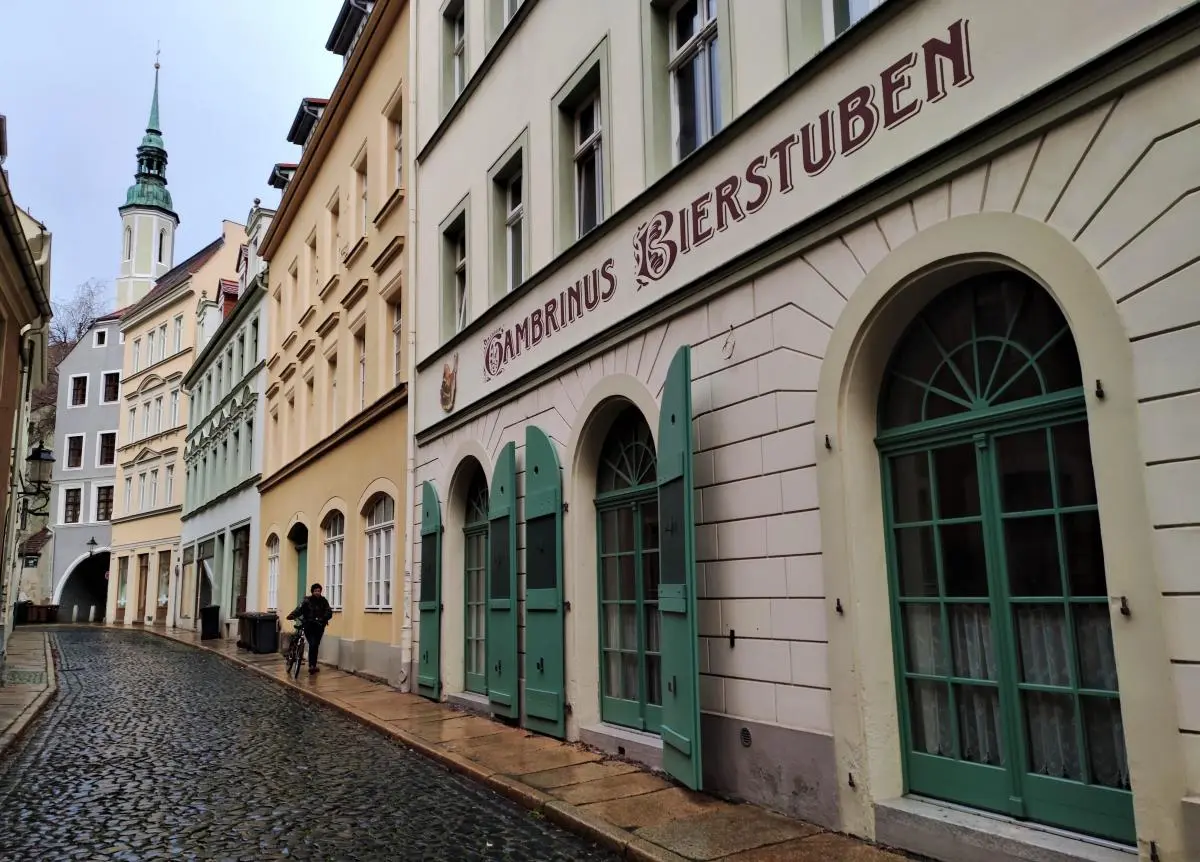
Görlitz, located on the border with Poland, suffered almost no damage during World War II and has preserved about 4,000 architectural landmarks. From January through June 2026, the number of visitors increased by 4.3%, to 66,952. The city is home to the 15th-century Gothic St. Peter’s Church with its Baroque “Sun Organ,” and a pedestrian bridge connects it to the Polish town of Zgorzelec in just a few minutes. Toruń, the birthplace of Nicolaus Copernicus and the European capital of gingerbread, welcomed approximately 2.7 million visitors in 2025, an increase of 8.6% over the previous year. Lecce, in southern Italy, known for its Baroque architecture built of honey-colored limestone, welcomed 151,558 visitors in the summer of 2026. The number of overnight stays there rose by 1.6%, although the number of arrivals fell by 0.6%.
The crowds aren’t going anywhere
Interest in lesser-known cities is being fueled by the crisis in the most popular destinations. In 2024, the number of foreign arrivals in Europe exceeded 2019 levels and rose by 12% compared to 2023. Portugal recorded a 26% increase, and Spain expected more than 90 million foreign visits. Venice introduced an entrance fee on peak days, Amsterdam banned cruise ships from its historic center, and in Barcelona, local residents doused tourists with water guns during protests, according to CNN.
Demand for travel shows no signs of slowing, and cities are still looking for ways to manage the influx of visitors without harming local communities.
“The entire industry needs to be much more proactive. ‘How do we conduct business? How do we promote these destinations, and how do we serve the local communities that are affected by this?’ All of this truly requires a sustainable strategy for the future, because more and more people are pouring through the gates and arriving in these places,” emphasizes Paula Wlemings, director of impact at the nonprofit organization Tourism Cares.
Audrey Scott, co-founder of the Berlin-based consulting firm Uncornered Market, warns that quick results shouldn’t be expected, as the problem has been building up for years.
“You can’t change the infrastructure—in terms of transportation capacity, water resources, and waste management—in just one year,” Scott notes.
Against the backdrop of overcrowded traditional routes, the concept of “alternative destinations”—launched in 2023 by the booking giant Expedia—has gained popularity. These are alternative cities located near popular hubs. For example, Antwerp, Belgium, is about a 90-minute train ride from Amsterdam and Bruges. Sven Klokarts, manager of the five-star Botanic Sanctuary Antwerp hotel, recounted how an American family, tired of the crowds in the Dutch capital, spent only one night there and extended their stay in Antwerp to a week.
“They canceled their stay in Amsterdam and arrived here earlier than planned. As a hotel, we see this as a huge compliment, and it’s also great for the city that we’re becoming this little hidden gem for the U.S. market,” Klokarts said.
There Are No One-Size-Fits-All Solutions
Redirecting guests away from overcrowded areas has long been considered a key strategy. Back in 2019, the United Nations World Tourism Organization (UNWTO) analyzed 18 case studies, including Dubrovnik, Barcelona, Venice, Prague, and Amsterdam. Conclusion: there is no one-size-fits-all solution, and any strategy must take into account the specific characteristics of each city. The most common measures were distributing visitors within the city and to outlying areas, as well as modernizing infrastructure, according to a UNWTO press release.
The organization’s Secretary-General, Zurab Pololikashvili, called for the inclusion of tourism in overall urban development planning.
“Urban tourism is multifaceted and requires a citywide strategy involving collaboration among all stakeholders and the inclusion of tourism in the city’s agenda. Sustainable and inclusive cities should mean creating cities for everyone: residents, investors, and visitors,” Pololikashvili said.