
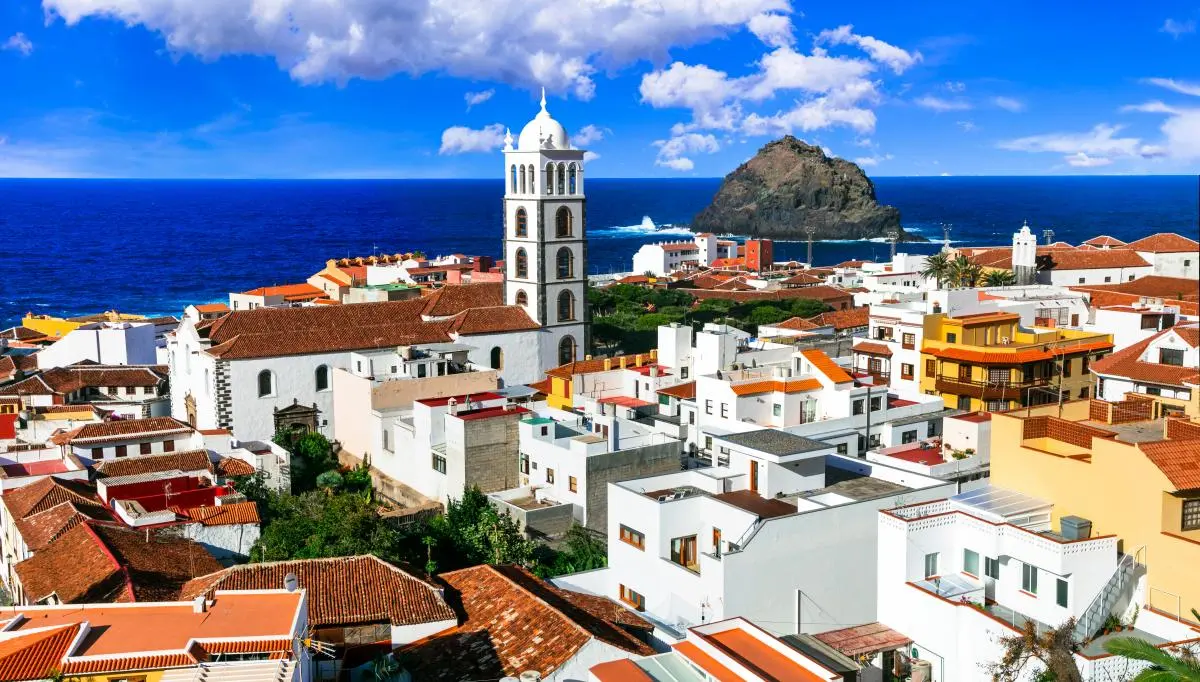
Spain could be a close alternative to the Caribbean or Asia for a winter getaway. In the country’s southern provinces, winter temperatures often hover around 20°C, and there are none of the peak-season crowds. The six warmest Spanish destinations for winter sun include Tenerife, Lanzarote, Seville, Málaga, Nerja, and Valencia, according to The Independent.
The Canary Islands offer the best winter conditions, with Tenerife being the most popular of them. From December through February, the island averages six hours of sunshine per day, with an average temperature of around 18°C and average highs reaching 22°C. In February, temperatures on the island have even reached 30°C. By comparison, in London during the winter, the sun shines for only 1 hour and 15 minutes a day.
In addition to the beaches of Costa Adeje and Playa Teresitas, Tenerife attracts visitors with Mount Teide, Spain’s highest peak. On Lanzarote, average winter highs are around 21°C. The island’s main attractions are Timanfaya National Park, with its red volcanic soil, and the Jameos del Agua cave complex.
Andalusia and Valencia: Warm Without the Heat
Seville is known as the warmest city in continental Europe. In summer, temperatures here reach 36°C, while in winter, daytime highs hover around 16–18°C, making it pleasant for strolling through the old town and the Alcázar. In Málaga, the main city of the Costa del Sol, average highs reach 18°C. The sea is too cold for swimming, but the promenade and city beaches are perfect for walks and bike rides.
A smaller alternative to Málaga is the town of Nerja, about 50 km to the east. It is known for its caves with rock art, which are believed to be about 40,000 years old. Valencia is the coolest destination on the list: in winter, temperatures here hover around 17°C, and locals often go to the beach from December through February, though they rarely go in the water.
The Canary Islands Maintain Their Winter Lead
In 2025, the Canary Islands retained their status as Europe’s leading winter destination. They were visited by over 16 million tourists, and approximately 350,000 jobs are directly or indirectly linked to the industry. The flow of visitors is evenly distributed throughout the year: no single month accounts for more than 10% of the annual number of tourists, according to Turismo de Islas Canarias.
The archipelago’s growing popularity has sparked discontent among local residents. In 2024, the islands—with a population of 2.2 million—welcomed 15.2 million foreign tourists. Residents have taken to the streets to protest against overtourism, complaining primarily about rising housing costs due to short-term rentals, Euronews reports. Guillermo, a tour guide from Gran Canaria, said that last winter was the busiest of his entire career. He emphasizes that the islanders are not opposed to visitors, but expect them to behave more responsibly.
“I understand that not everyone is looking for local culture, but I ask you to realize that people live here 365 days a year. This isn’t a theme park. You can’t just do whatever you want, thinking that someone will come clean up after you,” Guillermo urges.