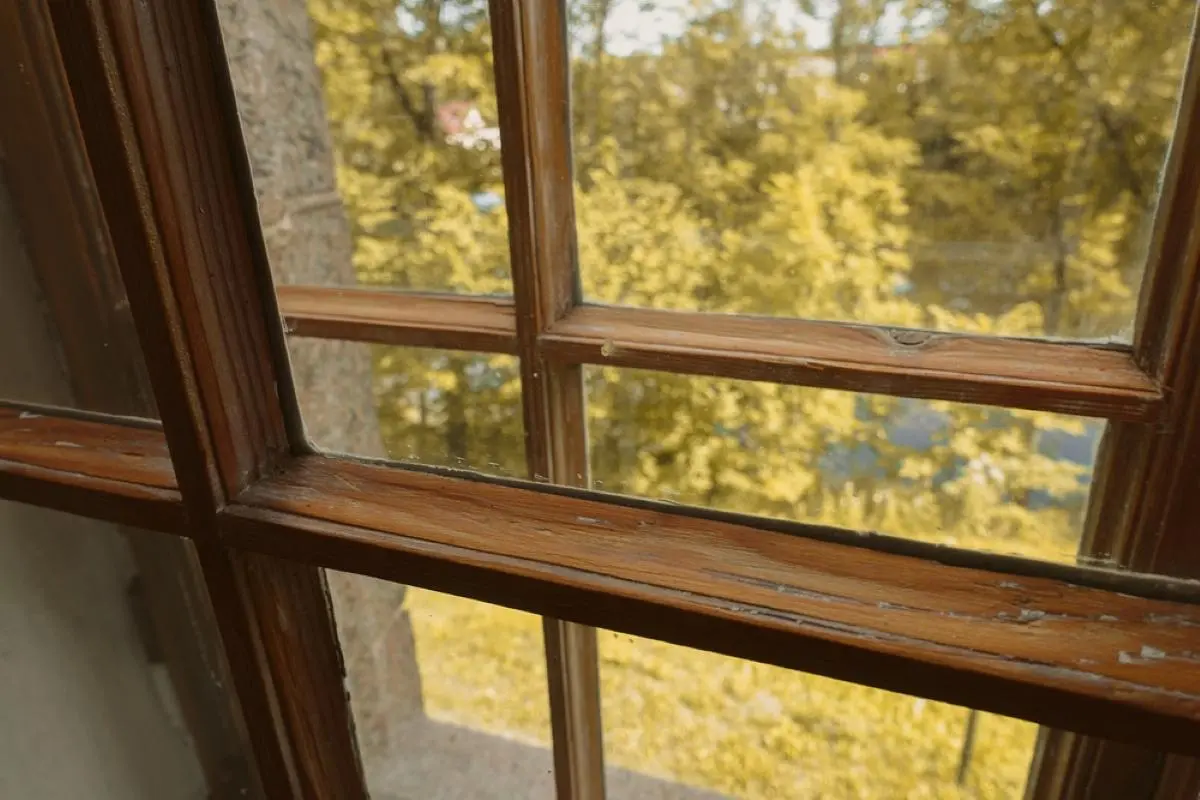
Dutch people generally don’t hang curtains on the large first-floor windows and don’t hide their living rooms from passersby. There are several reasons for this: a lack of natural light, the culture of coziness known as gezelligheid, and an unwritten rule that it is not acceptable to look inside someone else’s home, according to Kertvar.
The first reason is purely practical. It rains frequently in the Netherlands, where cloudy and foggy weather predominates, and there are few sunny days. Thick curtains would block the already scarce daylight, which local residents value highly.
This custom is also linked to the concept of gezelligheid. It has no exact equivalent in other languages and conveys a sense of coziness, warmth, and community. There is also the so-called “invisible wall”: a passerby can see that someone lives behind the window but does not peer inside or watch the residents. This reflects a high level of trust in society and a balance between private life and the community.
There is no single explanation for the origin of this tradition, notes *The Low Countries*, a magazine about Dutch and Flemish culture. The most common theory links it to Calvinism: those who have nothing to hide open their homes to the world. Others attribute it to Dutch candor or a desire to demonstrate good taste. Instead of curtains, windows are decorated with flowers, lamps, figurines, and candles, and a well-lit room is a sign of warmth and openness, not an invitation to peek inside.
Curtains Are Getting a Second Chance
Younger generations are increasingly installing roller shades, blinds, or other window coverings, especially at night or in tourist areas. Pleated blinds and semi-transparent roller shades that cover only the lower half of the window are popular: the room is shielded from prying eyes, while light enters from above.
Back in 2006, anthropologists Gille van der Horst and Jantine Messing found that in neighborhoods with close-knit communities, people are more likely to leave their curtains open and decorate their windows with vases, figurines, and artificial flowers, according to CNN.
Astrid Brokke, a resident of Amsterdam’s Jordaan neighborhood who lives without curtains, has noticed that with the arrival of newcomers—mostly expats—windows are being closed more and more often, and young people want more privacy.
“Unfortunately, openness is disappearing: the light on the streets from greetings, the social control that comes with it, and gezelligheid. It’s getting darker every year,” says Brokke.
Silk on Display
Historians believe the tradition arose from a desire to display wealth. In the 17th century, before the crisis of 1672, wealthy Dutch people could afford rare, expensive fabrics, particularly silk. According to historian Terry Weissenbeck-Oltgeys, curtains were hung in the finest rooms not to be drawn, but to showcase the interior to its best advantage, reports Visiting the Dutch Countryside.
The custom persists to this day. According to a small survey of about a thousand people, 75% of Dutch people at least partially close their curtains when they leave home, but 61% leave them open if they are away for an extended period.