
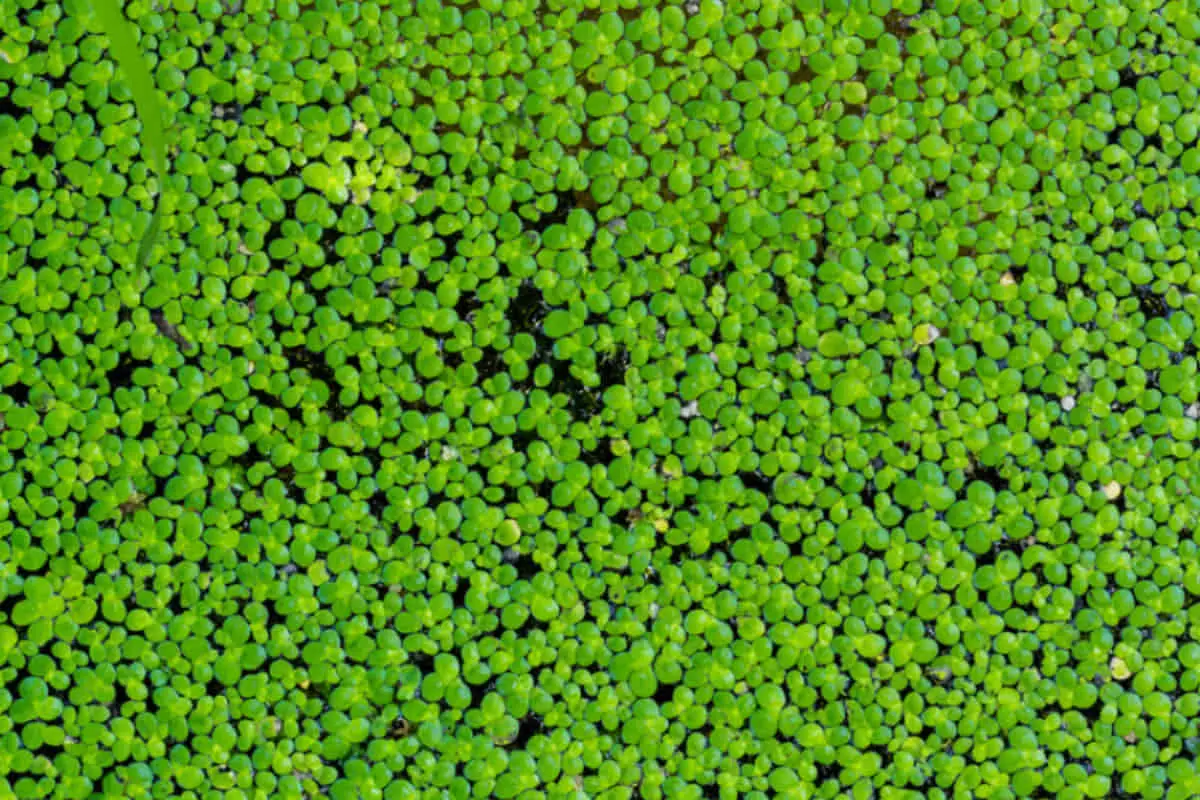
The European Union has authorized the use of duckweed, also known as water lentils, in food. Following a positive opinion from the European Food Safety Authority (EFSA), the European Commission has approved certain varieties of this plant for the market as a novel food. Previously, the EU had already approved flour made from crickets and larvae, according to Rynek Zdrowia.
After processing, duckweed becomes a highly nutritious source of protein: it contains 35–45% protein on a dry weight basis, making it comparable to soy and other legumes in this regard. The plant also contains vitamins A, C, E, and B12, as well as calcium, iron, magnesium, potassium, zinc, and antioxidants. Experts estimate that one hectare of duckweed can yield 4–5 times more protein than soybeans. The American company Plantible, which grows it on an industrial scale, claims that this requires about one-tenth as much water as soybeans and nearly 100 times less than beef production.
Scientists are already looking for ways to deliver the new product to consumers: frozen cubes, fresh greens in bags, or as an ingredient for pesto, ravioli, or pakora. The main obstacle now is not scientific, but market-related.
“The main challenge now is getting the food industry to adopt them, but I hope everything will work out. It would be wonderful if water lentils were on supermarket shelves in about three years,” says study author Ingrid van der Meer.
Ten Years of Evidence
The approval is the result of nearly a decade of work by Wageningen University (WUR) in the Netherlands. Its researchers submitted a dossier to the EFSA demonstrating the plant’s safety: they tested for metals, pesticides, allergens, and microorganisms. Studies involving volunteers showed that duckweed proteins are well absorbed and do not cause side effects. The levels of essential amino acids meet the recommendations of the World Health Organization (WHO) even for infant formula, and participants in taste tests rated dishes made with duckweed just as highly as those made with spinach.
Despite this, manufacturers and retail chains are not yet rushing to launch the product.
“There’s a lot of enthusiasm, but also caution. Producers and supermarkets are sizing each other up, because whoever starts growing it needs to have buyers. This issue needs to be addressed collectively, across the entire supply chain,” van der Meer emphasizes.
Grows in ponds across Europe
Among the permitted species are Lemna minor and Lemna gibba, which are common in European water bodies. In Ireland, their commercial cultivation is already being tested: on one hectare of canals in County Offaly, up to 30 metric tons of dry duckweed are harvested annually. Its mass can double in just two days.