
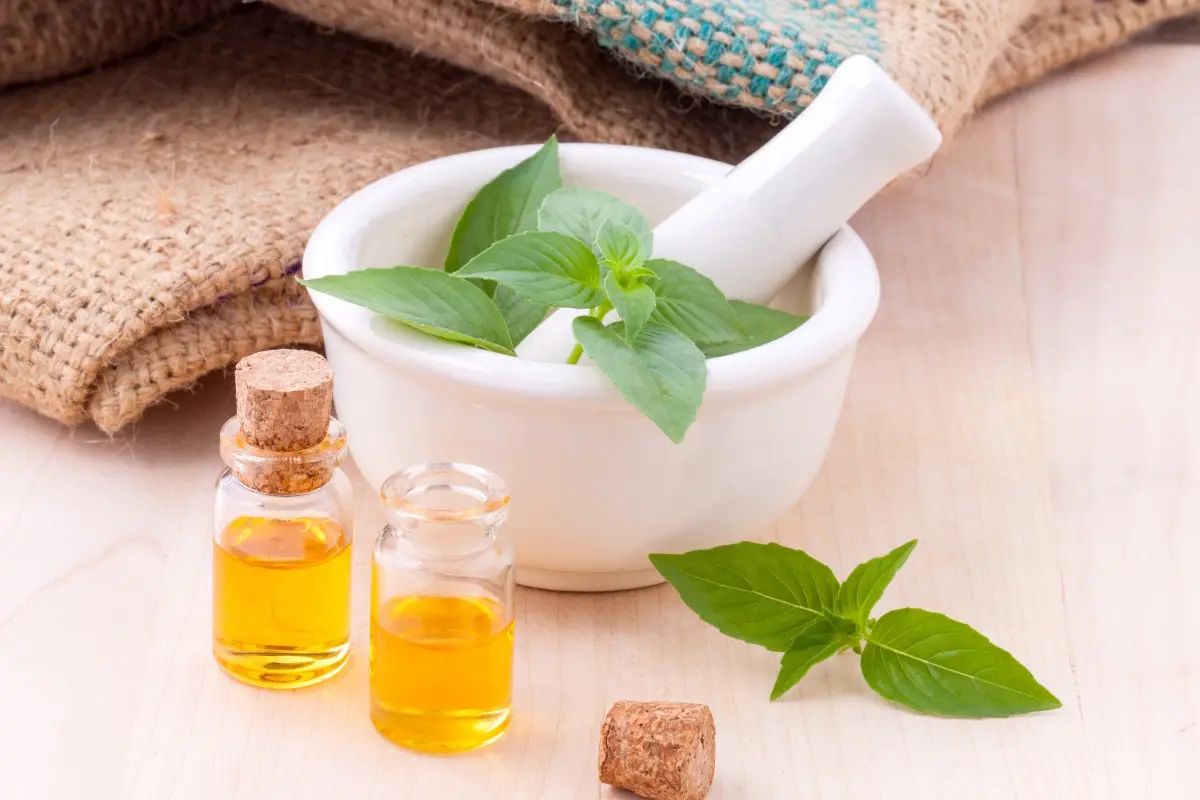
You can make your own home aroma diffuser with sticks—whose scent evokes the atmosphere of Rituals stores—using a glass jar, coconut oil, alcohol, and a few essential oils. This remedy is cheaper than store-bought air fresheners and fills the home with a warm scent for many days, reports Super Express.
For the base, you’ll need 50 ml of coconut oil and three tablespoons of alcohol. Add two tablespoons of the essential oil blend to this mixture: five drops of bergamot, four drops of frankincense, three drops of sandalwood, and two drops of vanilla. For a more earthy note, you can replace the vanilla with one drop of patchouli.
Finally, insert rattan sticks or regular skewers into the jar. It’s recommended to place the finished diffuser on a table in the living room or entryway.
How to Make the Sticks Smell Stronger
Gini Lin, founder of the Airy Fragrances brand, explains that these diffusers work through capillary action: the liquid rises through the tiny channels in the sticks and gradually releases into the air. The intensity and duration of the scent depend on the composition of the base, according to Livingetc.
“Some formulas contain alcohol as a solvent, which thins the oil so it rises faster and smells stronger right away, but this also means it evaporates more quickly. Alcohol-free bases, on the other hand, diffuse more gently, producing a softer but longer-lasting scent,” Lin notes.
The expert advises fully submerging the sticks in the liquid for half an hour during the first use, and then turning them over. The more sticks you use, the stronger the scent. You should flip them over weekly, and keep the diffuser itself away from radiators, direct sunlight, and electronics, as heat accelerates evaporation.
What Asthmatics Need to Watch Out For
The French Agency for Food, Environmental and Occupational Health & Safety (ANSES) urges caution with essential oil diffusers. Reported cases—even with normal use—have included irritation of the eyes, nose, and throat, as well as coughing and difficulty breathing. The agency emphasizes that these products release volatile organic compounds that can pollute the air in the home. People with asthma and other chronic respiratory conditions should be especially careful. Oil bottles should be kept out of children’s reach, and rooms should be ventilated regularly, according to ANSES.
French researchers tested the diffusion of tea tree oil in a 40-cubic-meter experimental chamber. Depending on the type of diffuser, the impact on air quality lasted from six hours to 51 days. The concentration of terpenes in the air exceeded European recommended levels by more than tenfold, according to a study published in *Atmospheric Environment*.