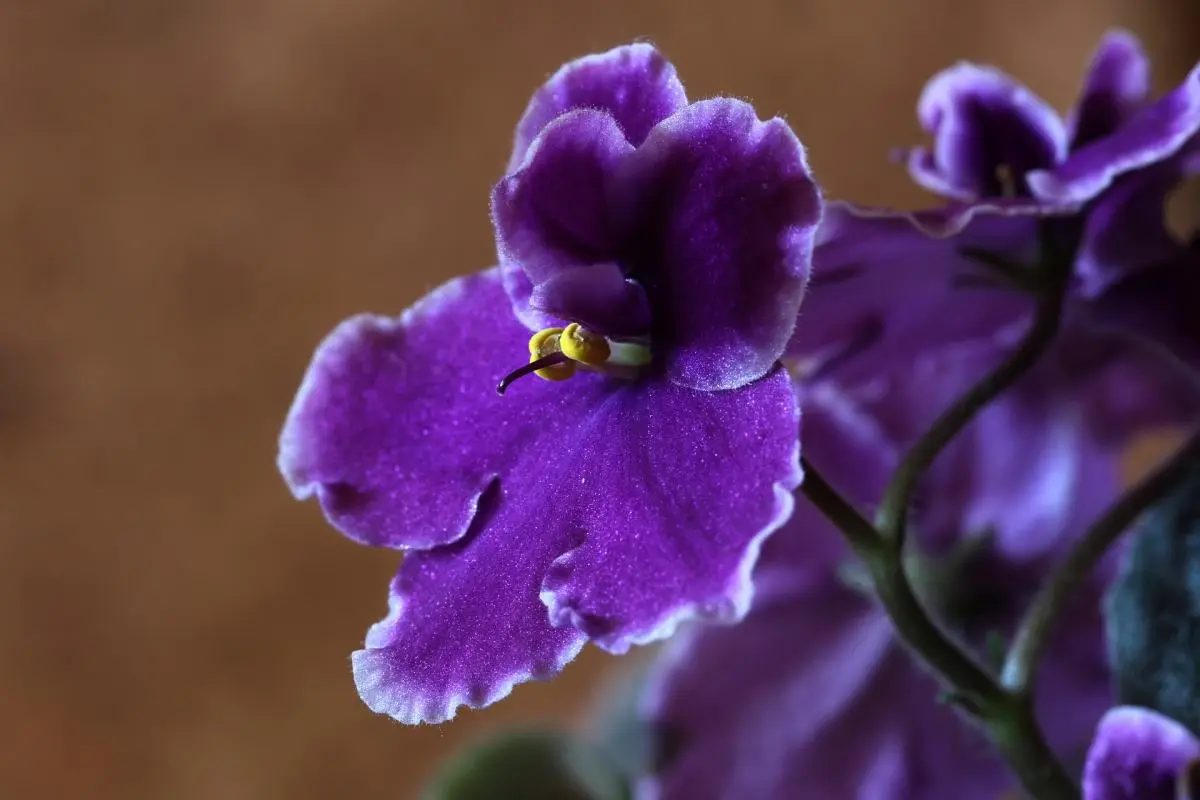
Believers in folk superstitions advise immediately removing African violets, ivy, and dried flower arrangements from the home. According to superstition, these plants attract misfortune, “suck out” energy, and disrupt family harmony, reports Super Express.
The African violet has the worst reputation among houseplants and is called the “vampire plant.” Ancient superstitions attribute to it the ability to drain people’s energy, bring misfortune in love, and provoke arguments with those around you. Ivy, according to folk beliefs, supposedly saps one’s vitality.
Even harsher superstitions surround dried flowers, which our grandmothers once loved so much. They are associated with decay and stunted growth. According to the principles of feng shui, such bouquets block the flow of positive energy and well-being, and problems and misunderstandings supposedly multiply in the lives of their owners. Folklore attributes weaker power to cut flowers because they wilt quickly.
In contrast, according to the same beliefs, orchids and the crassula—known as the money tree—bring happiness. The Chinese pilea, with leaves resembling coins, is said to ensure a steady flow of funds. At the same time, some believe that negative influences can be mitigated by placing plants in the right spots—for example, by keeping ivy out of the bedroom. The main thing, as the publication emphasizes, is that a person feels comfortable in their own space.
Where Do Myths About “Evil” Plants Come From?
Belief in the supernatural power of plants has a history stretching back thousands of years, and interpretations of specific species have varied depending on culture and region. European folklorists did not begin systematically recording such traditions until the 19th century. Malen Estreng Nygaard, a botanist at the Natural History Museum and Botanical Garden of the University of Agder (Norway), who studies the role of plants in folklore, explains this, according to the University of Agder.
The researcher is convinced that many superstitions have a perfectly rational basis: so-called “witch’s herbs” do indeed affect the human body.
“Many of them contain toxins. When consuming them altered the behavior of the person affected by the plant, it’s easy to understand why people in the past believed that the plant had magical properties or contained something evil,” Nygaard notes.
Foxglove was once feared as a “witches’ plant,” but today its compounds, in the correct dosage, are used in heart medications. Poison hemlock, which, according to legend, witches rubbed on themselves to fly, is now an ingredient in motion sickness pills.