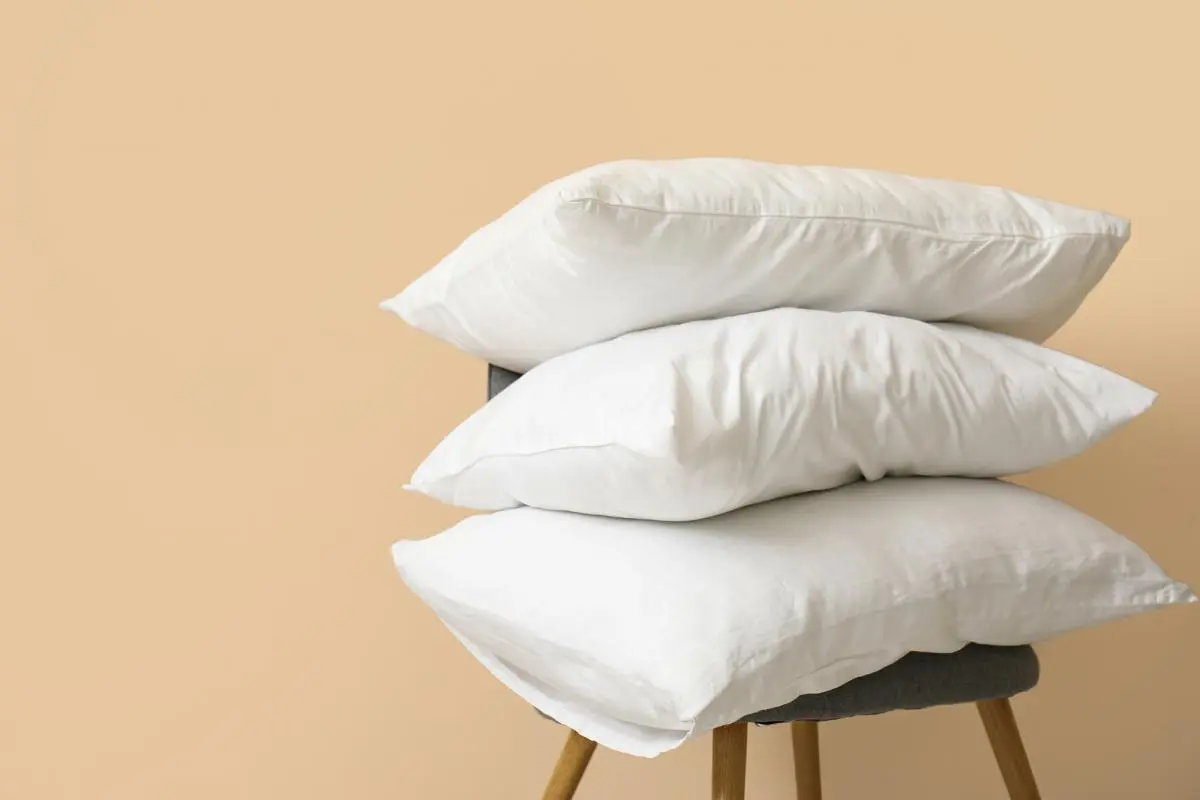
Down pillows can be washed in a home washing machine, but this requires the correct cycle, a gentle detergent, and—most importantly—thorough drying. The wrong approach can result in flattened filling, unpleasant odors, and mold, warn textile and bedding care experts interviewed by Martha Stewart.
Before washing, it’s important to check the manufacturer’s instructions. This is a key requirement for Rebecca Litvin, founder of the bedding brand down etc.
“Many pillows can be safely washed at home in a regular washing machine, but always check the care label first,” Litvin emphasizes.
If the label specifies dry cleaning only, take the pillow to a professional, advises Mary Gagliardi, a scientist and cleaning expert at Clorox. According to her, a front-loading machine is better because the pillows can roll around freely inside it. An upright machine should ideally not have a central mechanism.
“The agitator can twist the pillow and put excessive strain on its seams and fabric cover,” notes Kat Day, co-founder of the brands PLNTmatter and ettitude.
You should also inspect the pillow for tears and weak seams. Use a liquid, mild detergent without bleach or fabric softener, as these can coat the down and cause it to clump together. Excess detergent is hard to rinse out, so it’s a good idea to run an extra rinse cycle. Use the delicate cycle at low spin speed. It’s best to wash two pillows together: this helps balance the drum, but make sure there’s enough space for the pillows.
The most important thing is to dry them thoroughly
Down retains moisture even when the pillow seems dry on the outside. Dadi recommends drying it at a low temperature for several hours, adding three or four wool drying balls or tennis balls in clean socks. About every 30 minutes, take the pillows out, break up any clumps with your hands, and flip them over. The finished pillow should feel evenly light, with no dense or cool, damp spots and no musty odor.
Most pillows should be washed at least once or twice a year, and visible stains should be treated with an enzyme-based stain remover before washing and left to sit for at least 15 minutes. A few teaspoons of the product will suffice, according to The Spruce.
A protective cover between the pillow and the pillowcase prevents yellowing and reduces the need for washing. To restore a pillow’s fluffiness without washing it, you can place it in the dryer on a low setting along with a damp cloth, advises the American Down and Feather Council.