
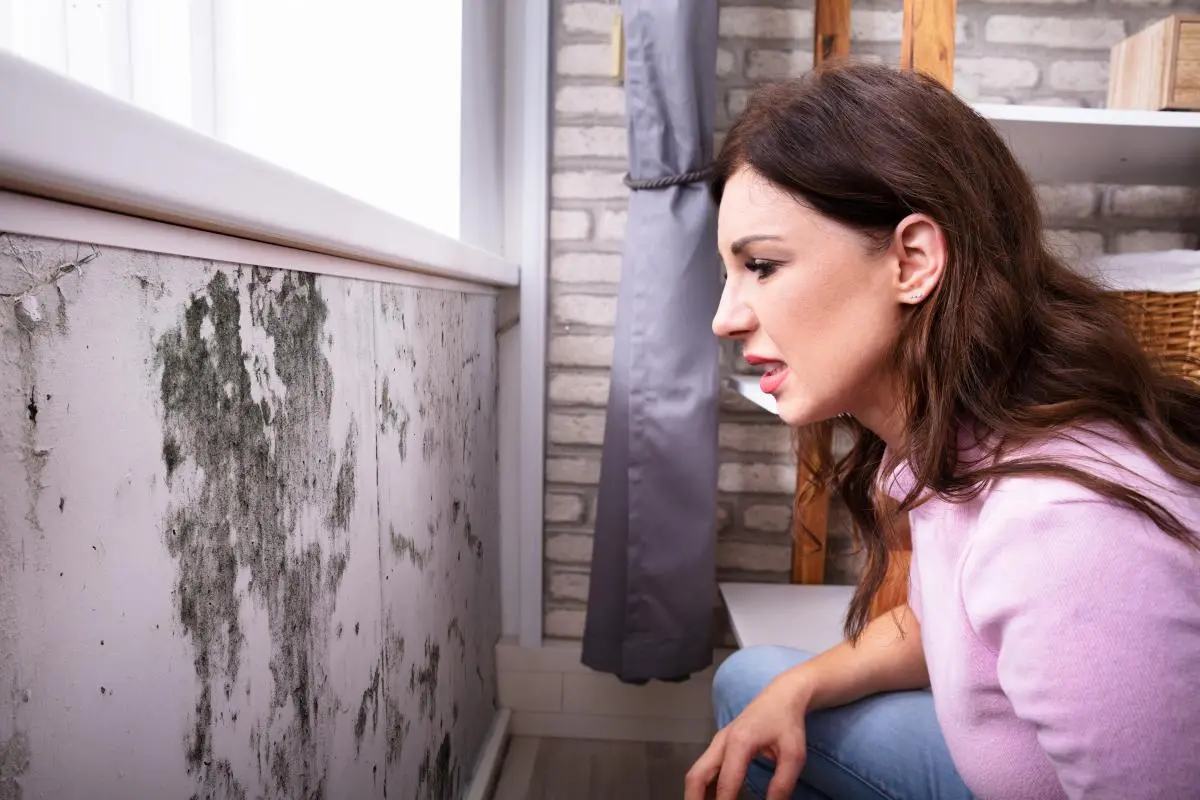
Black mold spots that appear on walls and in the corners of rooms when the cold weather sets in are best removed not with vinegar or baking soda, but with chlorine bleach diluted in water. The key is not to scrub the surface, according to 20minutos.
These spots are most often caused by condensation: water vapor in the home settles on cold surfaces. Signs of the problem include fogged-up windows, a musty odor, and small dark spots on the ceiling and walls.
Prepare a solution using one glass of bleach to two glasses of cold water. Dampen a clean cloth, wring it out, and apply it to the stain with light, short strokes—without pressing down or wiping from side to side. Rubbing can spread mold residue to other areas and damage the paint. For the ceiling, you can attach the cloth to a mop and work from the floor.
If any traces remain, repeat the procedure after the wall has completely dried. For deep or old stains, you may need a special anti-condensation paint, which helps prevent mold from reappearing.
When You Can’t Do Without Professionals
You shouldn’t put off dealing with mold. Its spores irritate the skin and eyes, cause coughing, and prolonged exposure can trigger or exacerbate asthma and other chronic respiratory diseases. Asthmatics, elderly people with weakened immune systems, and children are particularly vulnerable, warn construction experts at DEKRA.
Small infestations can be treated with sprays from a home improvement store. However, if the source of moisture cannot be identified or the mold has spread, professionals are needed. Germany’s Federal Environment Agency considers an infestation covering more than half a square meter to be serious.
Experts also caution against purely cosmetic solutions, which homeowners often resort to.
“If you paint over the damage without addressing its cause, the problem is usually just postponed,” emphasizes DEKRA construction expert Andreas Kraus.
The Main Enemy—Constant Humidity
Kraus identifies consistently high air humidity as the key factor. A three-person household releases 6 to 12 liters of moisture into the air every day. The most effective solution is to thoroughly ventilate rooms for a few minutes several times a day, preferably for an extended period. It is recommended to move furniture and curtains at least 10 cm away from cold exterior walls, and the humidity, as measured by a hygrometer, should not exceed 65%.
The U.S. Environmental Protection Agency recommends keeping indoor relative humidity below 60%, ideally between 30% and 50%. Mold often hides in cold corners behind furniture where condensation forms, and damp materials and items should be dried within 24–48 hours to prevent mold from developing, the EPA notes.