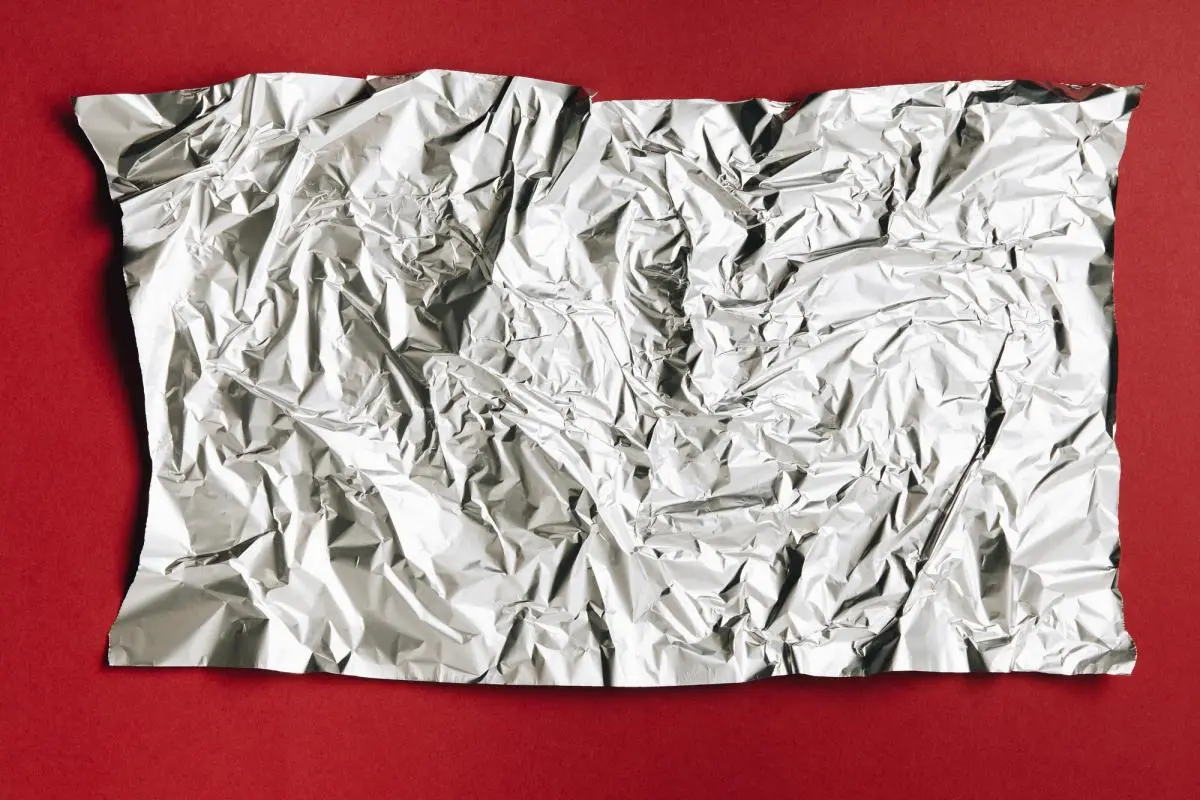
A piece of aluminum foil taped to a damp spot on the wall for 24–48 hours can help identify the source of the moisture: it’s either seeping through the wall from the outside or condensing from the air inside the room. The repair depends on the answer, since a solution for one problem won’t help with the other, according to Homedit.
According to the University of Minnesota Extension Service, many homeowners mistake moisture on basement walls for a leak, when in fact it is condensation. Repainting such a stain does not help: it reappears, and the fresh paint peels off with the first cold snap.
The effectiveness of the test depends on the material itself that is placed against the wall. “Aluminum foil doesn’t allow water vapor to pass through easily because it’s a non-porous surface,” notes Michael Rubino, a mold and indoor air quality expert at HomeCleanse.
As a result, moisture escaping from the wall remains trapped beneath the foil, while the humid air in the room condenses on its cold outer surface, just like droplets on a glass of cold drink. Builders have been using a similar approach since 1983: the ASTM D4263 standard requires that a transparent film be adhered to concrete for at least 16 hours.
Two Days and Painter’s Tape
First, the area must be completely dried to prevent trapping old moisture under the foil. Then, cover the stain with a sheet of foil, seal all four edges tightly (painter’s tape is less likely to damage the paint), and wait 24–48 hours. On bare concrete, you can use clear plastic sheeting instead of foil.
If the water is coming from the room side and the wall under the sheet is dry, it’s condensation. In this case, you should reduce the humidity: The U.S. Environmental Protection Agency (EPA) recommends keeping it below 60%, ideally between 30–50%, and insulating cold-water pipes.
Water between the foil and the wall indicates that moisture is penetrating through the wall. In that case, you should first inspect the area around the house—the terrain and drainage near the foundation—and only then treat the wall from the inside with sealant.
What the foil won’t show
The test shows exactly where the moisture is, but not where it’s coming from. “A pipe inside the wall might be leaking, or water might be seeping in through the foundation,” Rubino warns. He also emphasizes that a dry result doesn’t necessarily mean there’s no problem.
The test also won’t detect mold. “You might find moisture under the foil and have no idea whether mold has started growing inside the wall,” says the expert. Toxicologist Alex Le Bo of Exposure Consulting advises paying attention to blistered or stained paint.
According to the EPA’s recommendations, water-damaged areas should be dried within 24–48 hours to prevent mold. If the affected area exceeds approximately 0.9 square meters, it’s best to consult a professional. Do not apply aluminum foil or tape near outlets and light switches, and if a wet spot runs along a pipe, call a plumber.