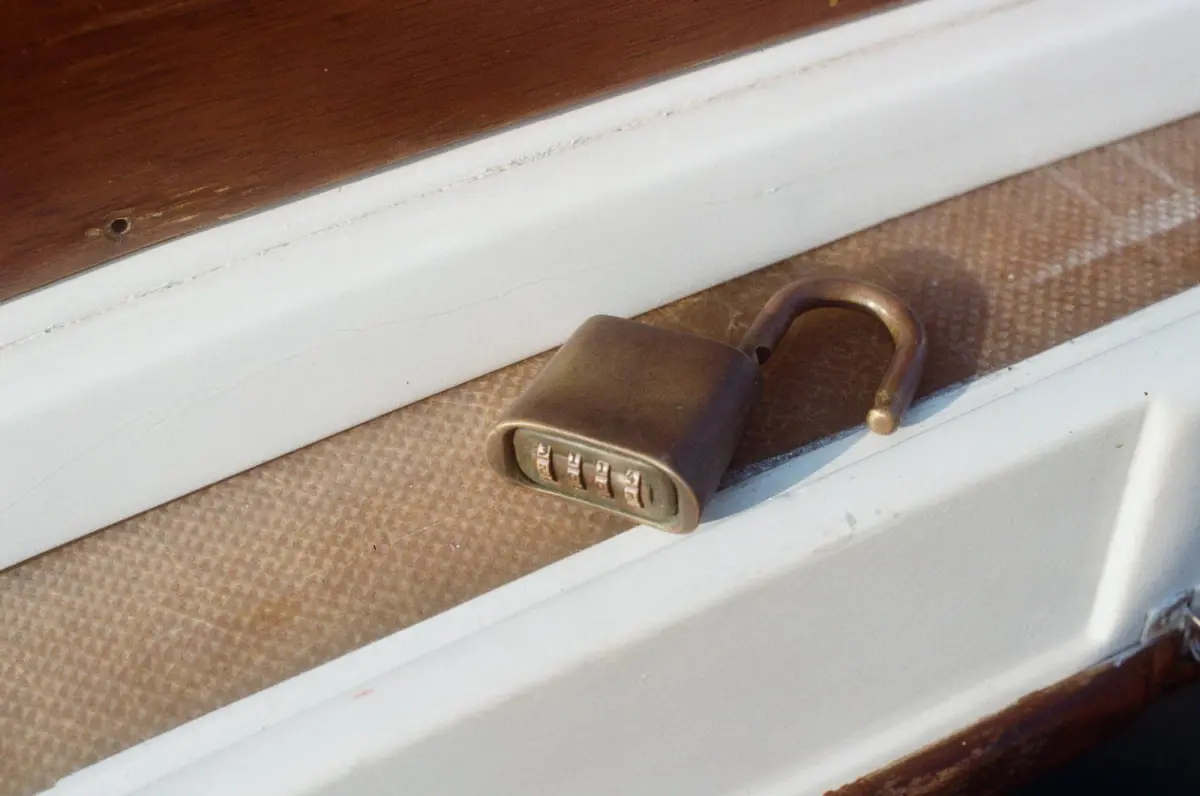
Researchers have discovered a brass combination lock dating back to the time of Elizabeth I, which sank to the ocean floor more than 400 years ago along with the merchant ship Ann Francis off the coast of Wales. The four-letter code “ANCE” was deciphered using X-ray images, according to National Geographic.
On December 28, 1583, the Ann Francis was returning from Spain to England when it encountered a severe storm and sank off Margham in southern Wales. The ship’s owner, merchant, and notorious smuggler Francis Shexton, was officially transporting cargo between two English ports. In reality, however, he was transporting wheat to Spain, where the grain was paid for with gold and silver from the American colonies.
Local residents recovered part of the cargo immediately after the disaster; the rest lay buried in the sand for centuries. Between 1996 and 2017, treasure hunter Peter Hughes, using a metal detector, found a significant portion of the treasure, including gold and silver coins and a lock. According to him, the rings used to set the combination turned easily even after four centuries, but he was never able to figure out the correct letters.
A code without a single scratch
The lock was eventually acquired by the National Museum of Wales. Experts feared that trying over a thousand possible combinations would damage the mechanism, so they teamed up with researchers at Cardiff University. Micro-CT scans provided thousands of X-ray images, from which a three-dimensional digital model was created, and the notches in the mechanism were matched with the letters on the rings.
For David Williams, a researcher at the Biomechanics of the Musculoskeletal System Laboratory at Cardiff University’s School of Engineering, this task was an unusual one, according to a press release from Museum Wales.
“We usually use this technology to study bones and other biological structures, so examining a 400-year-old padlock was a first for us! I had to wait until late in the evening for the museum team to check the combination, so it was incredibly gratifying to receive the news that we had cracked it,” Williams said.
Museum officials speculate that the lock protected a small chest containing valuables. It was found alongside Spanish silver coins and two coin weights, so it may have been guarding those items or things that haven’t survived, such as documents or fabrics.
Alastair Willis, senior curator of numismatics, explains the object’s special value. “Elizabethan combination locks are known in Britain, but this one is in exceptionally good condition and is linked to a dated shipwreck, making it a unique find and the code an intriguing mystery. Of course, now that we’ve cracked it, we’re curious whether this code meant anything to its owner,” Willis notes.
A Chest of Treasure
Among Hughes’s finds are about 870 gold and silver coins, sailors’ personal belongings, ship’s equipment, and tableware. The inventory of property confiscated by the local lord, Sir Edward Mansell, following the 1583 shipwreck mentions three chests with broken locks. The lock and other items from the Ann Francis are on display at the National Waterfront Museum in Swansea through June 2027, according to the Museum Wales blog.