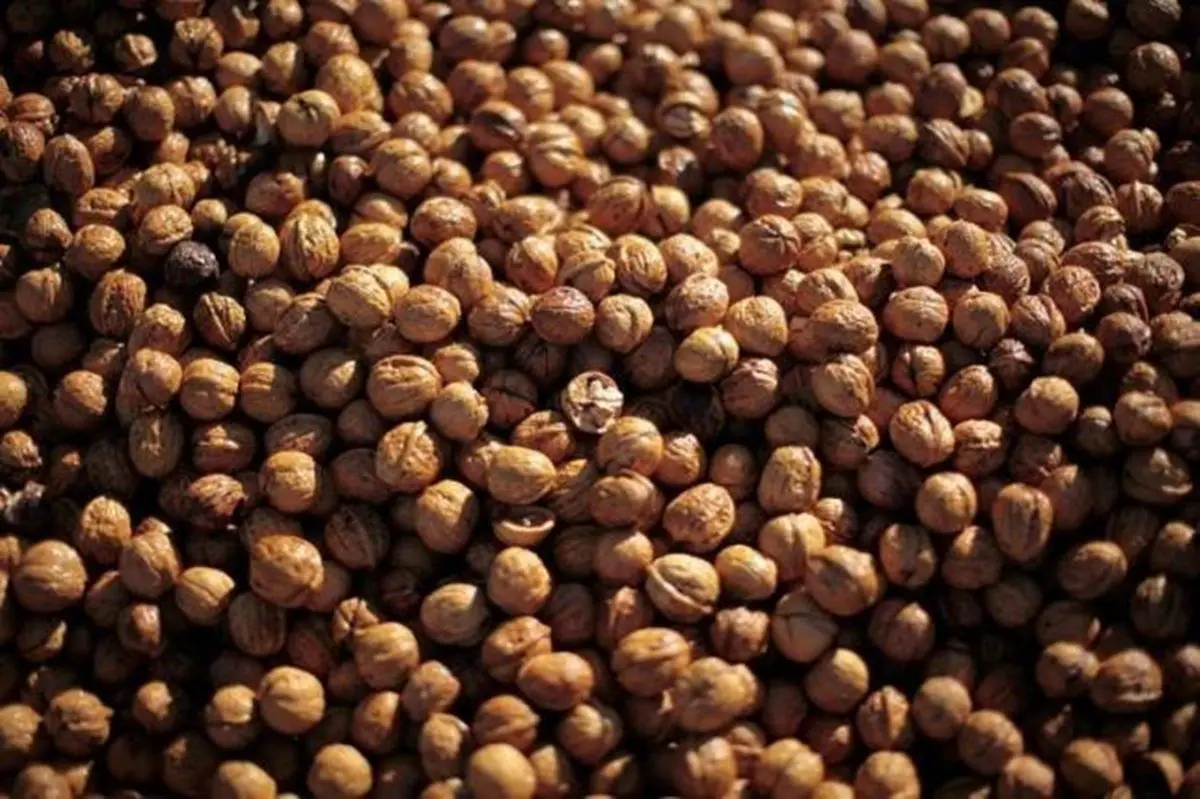
Shelled walnuts can retain their quality for up to a year if frozen. In the refrigerator, the kernels stay fresh for up to half a year, and in the pantry, only a few weeks or months. Without proper storage conditions, they quickly become bitter, according to Kanizsa Médiaház.
Walnuts contain a lot of oil with unsaturated fatty acids that are sensitive to oxygen, light, and heat. In a warm and bright place, the fats oxidize, the kernels lose their aroma, and they develop a bitter or pungent taste. The smell of spoiled walnuts may resemble paint or solvent, and they should no longer be eaten.
If you plan to use the nuts within a few weeks, you can store them in a cool, dry, and dark pantry in an airtight jar or container. It is not recommended to leave the kernels on the kitchen counter in direct sunlight or near the stove. In a warm apartment, they will turn bitter much faster.
A refrigerator is better suited for larger quantities: low temperatures significantly slow down spoilage. The container should be tightly sealed, as nuts easily absorb foreign odors.
The freezer allows you to store the kernels for up to a year. They should be divided into small portions and placed in airtight bags or containers. Frozen nuts can often be added to baked goods without thawing, but refreezing them is not recommended: temperature fluctuations and condensation can degrade their quality.
Nuts keep the longest in their shells, which protect the kernels from light and air. Before storing them, they should be dried and sorted. Moldy, darkened, or foul-smelling nuts should be discarded, as some molds produce toxins that are not always destroyed even during baking.
What Scientists Say
Researchers at the University of California, Davis, stored the kernels of two walnut varieties for four months at temperatures of 5 and 23 °C. For the Chandler variety, heat proved to be significantly more damaging: the γ-tocopherol content in its oil decreased by 42%, compared to 19% when stored in the cold. The scientists also noted that the rancid taste correlates with the amount of volatile oxidation products. They cite a previous study indicating that walnuts become most rancid when exposed to light at 21 °C, while no signs of oxidation were detected at 5 °C, according to an article in the journal *Foods*.
Professors Carlos Crisosto and Bruce Lampinen from the same university concluded that at temperatures around 0 °C, shelled nuts remain fresh for over a year. Packaging with reduced oxygen content helps extend shelf life and improve flavor. Separately, the researchers advise against storing nuts near garlic, according to UC Davis.
The researchers attribute a key role to the thin, light-brown skin on the kernel—the pellicle—which is rich in phenolic antioxidants.
“We believe the pellicle acts as a shield. It’s a protective layer that shields the seed from oxygen attack,” emphasizes Chrysostom.
According to the scientists’ hypothesis, as the skin counteracts oxidation, it gradually darkens, and eventually the fats inside the kernel also oxidize. As a result, the nut loses its nutritional value and develops a bitter aftertaste.