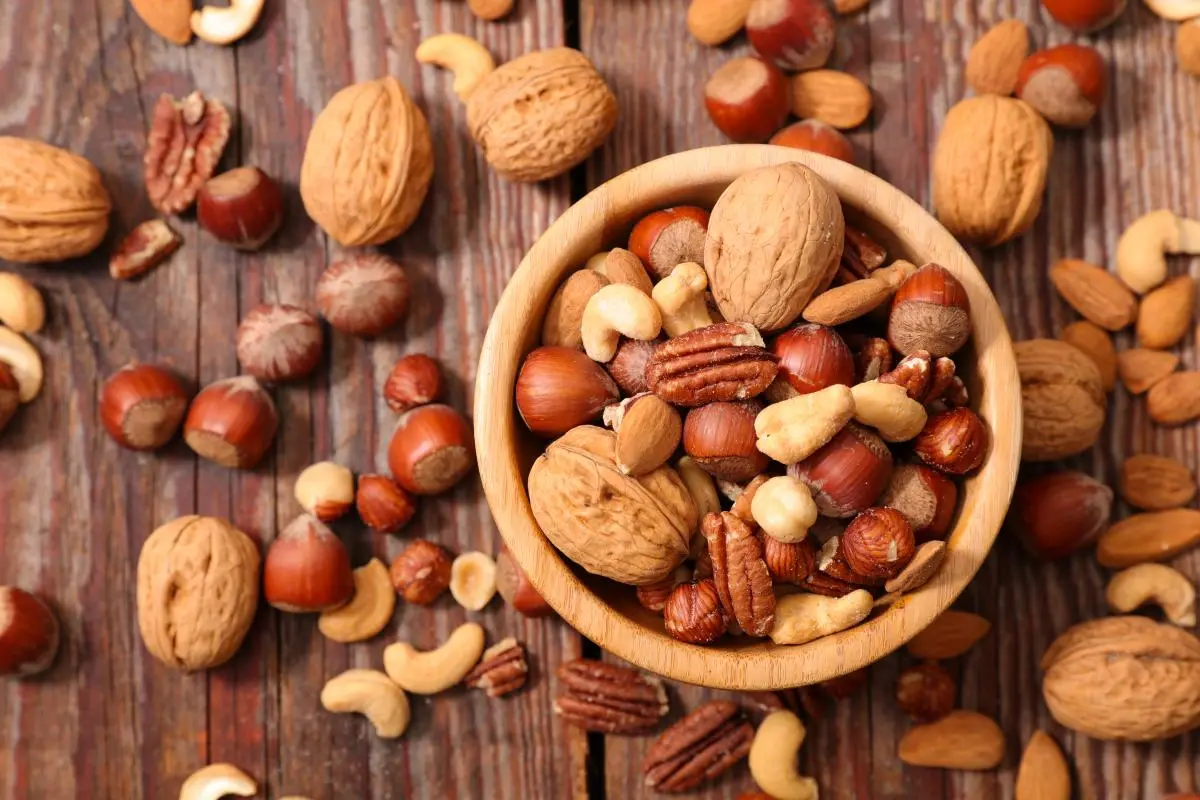
You don’t have to throw away walnut shells—you can turn them into a homemade infusion for caring for houseplants. However, this remedy is not a substitute for regular fertilizers, according to Newsweek România.
The shells decompose slowly and do not release nutrients quickly. Therefore, the infusion should be considered only as a supplementary measure, not as the main source of nutrition for plants.
One-Day Recipe
You’ll need the shells of about 5–6 nuts. They should be clean, with no traces of salt, oil, or mold. Wash them thoroughly and crush them as finely as possible.
Pour 500 ml of hot water over the pieces and let them steep for 24 hours. Then strain the liquid through a fine sieve to remove all shell fragments. Before use, dilute the infusion with clean water in a 1:1 ratio.
As additional fertilizers, the publication mentions the violet (Saintpaulia), spathiphyllum, anthurium, and Phalaenopsis orchid. For orchids, however, a special fertilizer is recommended, as their needs differ from those of other houseplants.
The authors caution that the nutritional effectiveness of the walnut infusion has not been proven, so it cannot replace the fertilizer recommended for each specific plant species. Any new product should be tested with caution, and overwatering should be avoided.
Is Juglone a Threat to Flowers?
Walnuts contain juglone. In high concentrations, this substance inhibits the growth of some plants. Researchers who measured its content in waste from the nut industry found only a negligible amount of juglone in the shells. In black walnut shells, the concentration was 0.45 μg/g of dry matter, and in walnut shells, it ranged from 0.74 to 1.70 μg/g. By comparison, the concentration in wood chips reached 28.84 and 65.50 μg/g, respectively, according to an article published on the Taylor & Francis platform.
“The shells and wood chips are considered safe because the juglone concentration in them is below the level that adversely affects some animals and plants,” the study’s authors note.
Experts at the Miller Library also emphasize that the main source of toxicity is the walnut tree’s roots, not its leaves or shells. According to Ohio State University, as cited by the library, juglone is poorly soluble in water, but it decomposes in air, water, and under the action of bacteria, reports the Miller Library.