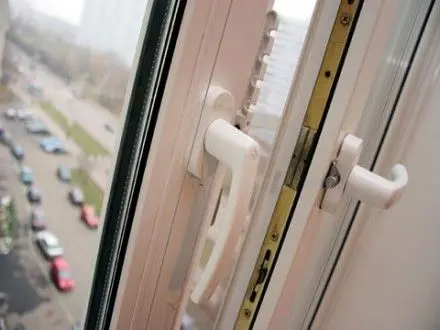
Water on the inside of window panes and on windowsills in the mornings during late fall and winter usually does not indicate a problem with the windows, but rather points to excess moisture in the home and poor ventilation, according to Trojmiasto.pl.
This is caused by the condensation of water vapor released by residents while breathing, cooking, bathing, drying laundry, or ironing. Warm air holds significantly more moisture than cold air: at 10°C, it’s about 9.5 grams per cubic meter, while at 0°C, it’s only about 5 grams. At night, the glass cools down, and droplets form on it.
It’s important to note which side of the window the water appears on. Condensation on the inside indicates that moisture isn’t being removed from the room. On the outside, this is usually a natural occurrence for double-pane windows with good thermal insulation. Water between the panes may indicate that the double-pane unit has lost its airtight seal, and neither ventilation nor a dehumidifier will help in this case.
What Level of Humidity Is Considered Normal
For residential spaces, a relative humidity of about 40–60% is considered optimal. If the hygrometer consistently reads above 60–65% and the windows regularly “fog up,” it’s worth figuring out why the moisture isn’t being removed. It’s recommended to take measurements at different times of the day.
It’s more effective to ventilate briefly and intensively: open the windows wide—preferably in opposite rooms—for 5–10 minutes several times a day. A window left ajar all the time, on the other hand, cools the walls and increases the risk of condensation and mold. A dehumidifier with a hygrostat is a good idea if the humidity stays above 60% even with regular ventilation.
Do not seal air intake valves or ventilation grilles, dry laundry in a closed room, or limit yourself to wiping down windows. If dark spots appear on window seals, window sills, or in corners, and the problem persists, you should check the ventilation, the condition of the air intake valves, and the installation of the windows.
Why do new windows “sweat” more often?
After replacing old windows with airtight ones, condensation often becomes more noticeable: the gaps no longer allow moisture to escape. Therefore, an intake valve and proper ventilation are essential for new windows.
In older homes, the air was completely replaced 5–10 times per hour, whereas in modern, airtight homes, it’s usually less than twice. According to the British Building Research Establishment, sealing a home reduces heat loss by 31–35%, but requires well-designed ventilation; otherwise, indoor air quality may deteriorate, writes The Economic Times.
The U.S. Environmental Protection Agency (EPA) recommends turning off humidifiers as soon as condensation appears on the windows and using exhaust fans in the kitchen and bathroom that vent air outside. It’s also a good idea to open doors between rooms and move furniture away from corners so that warm air can better heat cold surfaces, the EPA notes.