
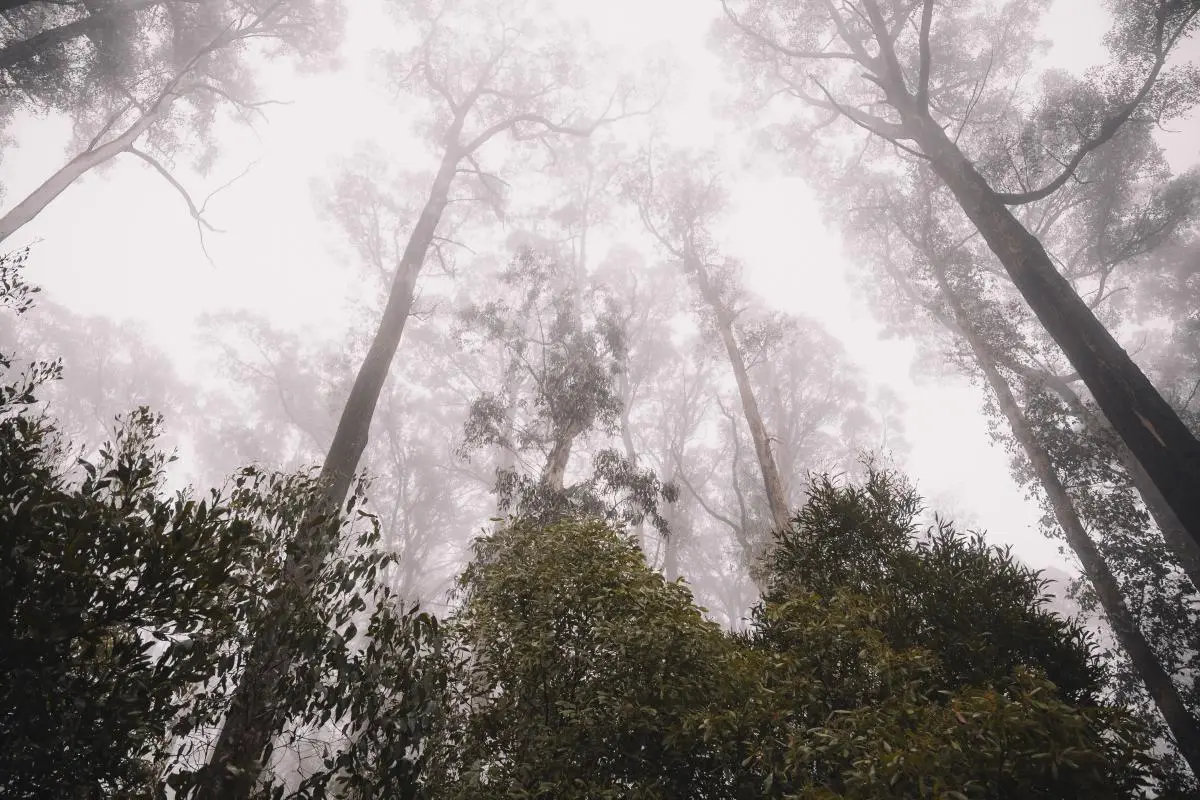
Over the past 25 years, the Locke family from Brazil has planted about 840,000 trees on 607 hectares of a former cattle ranch in the Guapias River basin in the state of Rio de Janeiro. Plain tapirs, which had not been seen in the region for about a century, now inhabit the restored lands, according to Futura Sciences.
The family had been farming this land since 1907 and later founded the non-profit REGUA Nature Reserve. The former pastures were partially transformed into lagoons: workers built earthen dams and redirected streams. Today, the area is home to capybaras, caimans, herons, and waterfowl. According to the reserve, more than one million seedlings have been planted in total, and 710 hectares of restored land are under protection.
The tapirs could not return on their own: their path was blocked by roads and farmland. Therefore, in 2017, REGUA, together with the Refauna project and the Federal Institute of Rio de Janeiro, launched a reintroduction program. Currently, 11 tapirs have been recorded in the reserve, roaming freely throughout the area, along with three calves born in the wild. According to broader estimates, the population in and around the reserve may number up to 25 individuals.
Researchers emphasize that simply planting trees would not be enough to bring back extinct species. Ecosystem restoration requires both habitat restoration and the physical return of the animals.
From the Enclosure to the Forest
All 14 tapirs released in the reserve between 2017 and 2021 were born in Brazilian zoos and breeding centers. Before their release, the animals spent an average of about 88 days acclimating in a fenced enclosure. Captivity typically makes tapirs more active during the day, whereas wild individuals are crepuscular and nocturnal. According to a study published in the journal Oryx, after release, the animals returned to their natural activity patterns.
The lowland tapir is Brazil’s largest land mammal. The International Union for Conservation of Nature (IUCN) Red List classifies it as a vulnerable species, and it has completely disappeared from the forested areas of the state of Rio de Janeiro.
Forest Gardeners
The reserve’s founder, Nicholas Lock, considers the return of the tapirs to be the main achievement of many years of work. According to him, the plan is to eventually increase the population to 50 individuals.
“The tapir reintroduction program is the result of this restoration effort,” Locke told Mongabay.
Scientists attribute the importance of these animals primarily to seed dispersal and the formation of plant communities. Patricia Medici, one of the world’s leading tapir researchers, warns that the extinction of the species has consequences for the entire ecosystem.
“Therefore, the local extinction of tapirs or a sharp decline in their populations could disrupt key ecological processes, threatening the long-term integrity of the ecosystem,” Medisi emphasizes in an interview with Mongabay.