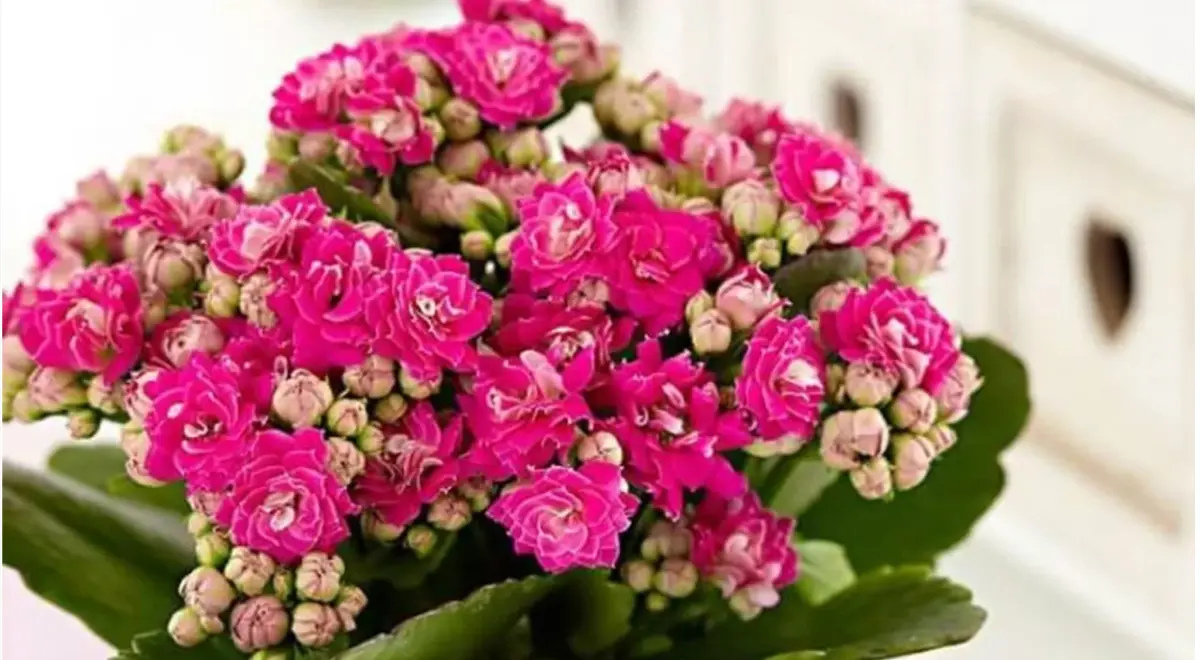
To get your Kalanchoe to bloom again, simply cover it with a regular cardboard box every day. This way, the plant receives 8 hours of light and 16 hours of darkness per day, and after 6–7 weeks of this routine, it will begin to form flowers again, according to Deccoria.
Kalanchoe can bloom several times a year; repeat blooming usually occurs between February and June. Most often, the plant wilts after flowering due to improper lighting: it needs short days, and even the light from a desk lamp, flashlight, or TV can disrupt the nighttime darkness.
During the day, keep the pot on a south- or west-facing windowsill and turn it toward the sun from time to time. In winter, it’s best to move the Kalanchoe to a cooler spot with a temperature of about 15 °C, free from drafts and sudden temperature changes, since new buds may not form in warm conditions.
It is also recommended to regularly remove faded blooms, old flower stalks, damaged shoots, and dry leaves. During dormancy, watering and fertilizing should be limited, and the soil should be light, sandy, and well-draining. Fertilize the plant with houseplant fertilizer in the spring and summer, every 2–3 weeks.
Why a flashlight can ruin flowering
Scientists explain that Kalanchoe is a short-day plant: flower buds form only when the nights become long enough. According to research, the plant needs approximately six consecutive weeks of nights lasting at least 14 hours. In tests conducted by the University of Missouri, the greatest number of flowers formed under complete and uninterrupted 14-hour darkness. Another study showed that even dim light—fainter than a typical nightlight—for four hours in the middle of the night delayed bud formation by a week or prevented it entirely, depending on the variety, according to Blooming Expert.
In practice, even a lamp left on in the hallway or checking on a plant with a phone flashlight can undo several weeks of perfect darkness. Therefore, it’s recommended to start the dark period from mid-September through early October and not to skip a single night. A closet, a box, or a covered spot in the room where no light can penetrate will work for this.
Bud formation should begin approximately 12 weeks after starting this regimen. However, if the room temperature at night exceeds 27 °C, flower development may stop even in complete darkness.