
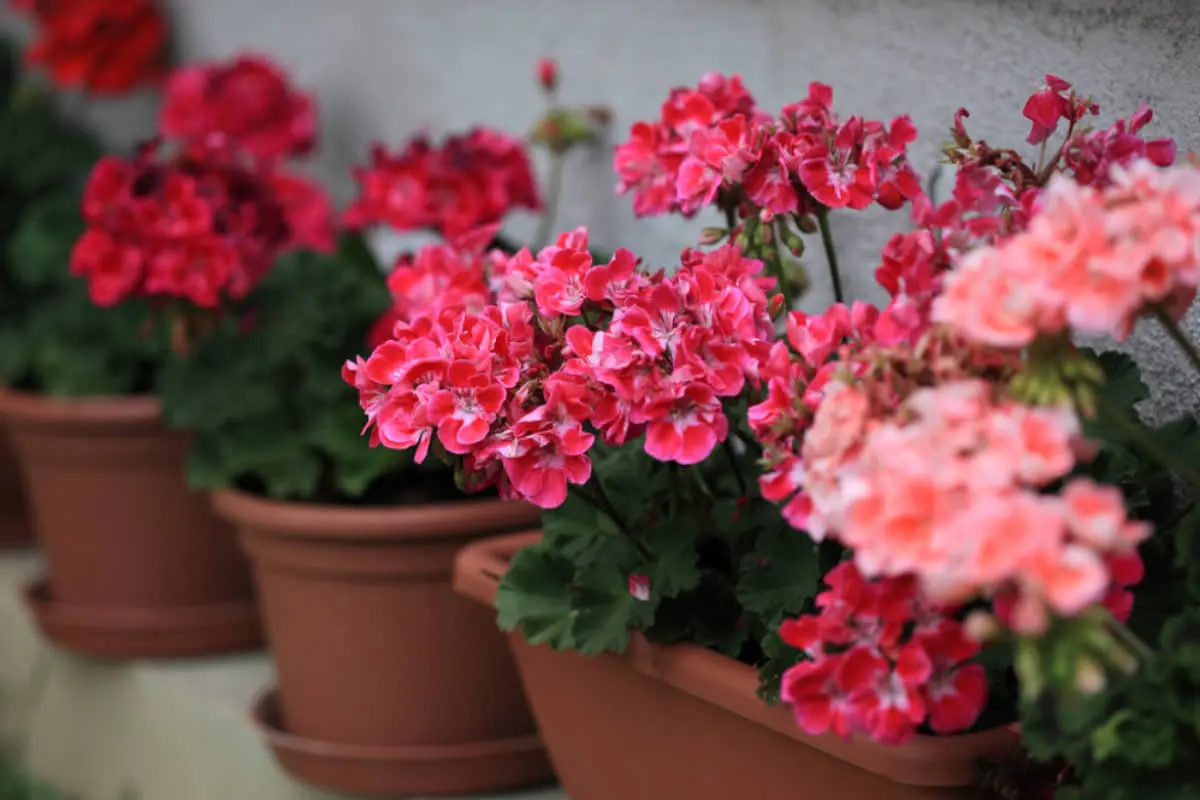
Pelargoniums, which adorn balconies and terraces in the summer, do not tolerate frost well, so they should be moved indoors before the cold weather sets in. A glassed-in balcony, a veranda, a bright room, or an unheated greenhouse are suitable for overwintering, according to PRO TV.
The optimal temperature for winter dormancy is approximately 5–10 °C. The space should be well-ventilated and receive plenty of light. In a very warm room, especially near a radiator, the plants will continue to grow; however, due to a lack of light, the stems will become leggy and the leaves will become brittle.
Before bringing the flowers indoors, remove dry leaves, wilted blooms, and damaged parts. You should also inspect the plants for pests to avoid bringing them into your home.
The Main Danger in Winter
During the cold season, pelargoniums grow much more slowly and consume less water, and the soil in the pot takes longer to dry out than in the summer. Therefore, you should water them less frequently: if you water them too often, the roots may rot, especially if the pot doesn’t have drainage holes.
Check the soil before each watering. If the top layer is dry, you can add a moderate amount of water, but it should not pool in the saucer. There’s no need to mist the leaves, and you should resume fertilizing only when the plant starts growing again, usually in late winter or early spring.
Pelargonium expert Auli Ketola advises being patient and giving the plant a little water only when the pot becomes noticeably lighter. If there is no cool, bright spot available, pelargoniums can be overwintered at room temperature, but they will then need artificial lighting for 8–12 hours a day. The warmer the room, the more light the plant needs.
“Excess moisture is a greater danger than dryness. A pot that’s too large for the plant further increases the risk of root rot,” Ketola emphasizes.
In the spring—avoid sudden changes
As the weather warms up and daylight hours lengthen, you can gradually adjust your care routine to match summer conditions. It’s a good idea to trim dry or overgrown stems, replace the soil if necessary, and inspect the roots. If the pot has become too small, repot the plant into a slightly larger one.
You shouldn’t take geraniums outside as soon as the sun comes out. You need to wait until the risk of frost has passed and gradually acclimate the plants to direct sunlight and outdoor temperatures.