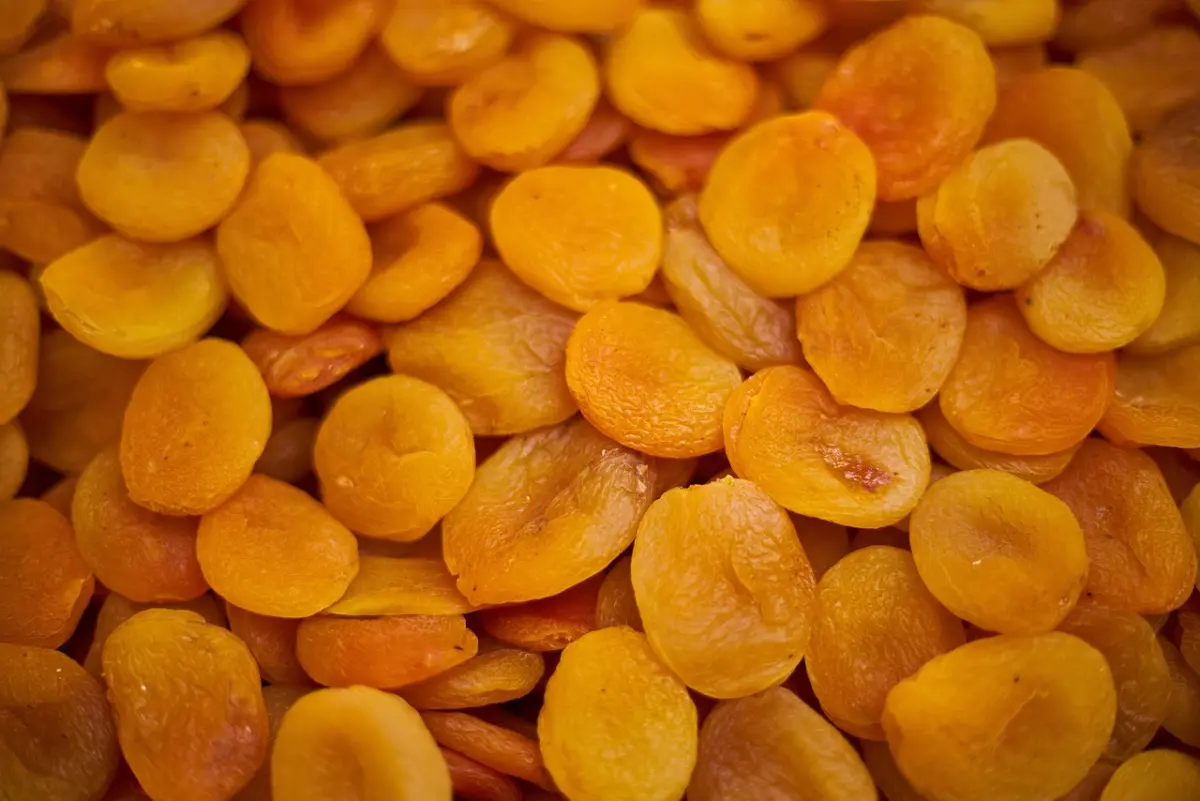
Dried apricots (kuraga) contain three times more potassium than bananas: 100 grams of dried apricots contain about 1,160 mg of this mineral, while the same amount of banana contains only about 350 mg. Potassium helps balance the effects of sodium, supports heart function, and maintains normal blood pressure, according to Planeta.
During the drying process, water evaporates from the fruit, concentrating its nutrients. In addition to potassium, dried apricots provide fiber (7.3 g per 100 g), which aids digestion and prevents constipation, as well as beta-carotene, from which the body produces vitamin A for vision and skin health. Dried apricots also contain iron, magnesium, calcium, and antioxidants.
At the same time, it is a high-calorie food: 100 g contain about 241 kcal and approximately 53 g of sugars. A reasonable serving size for most healthy people is 30–40 g per day, or a few pieces. People with kidney disease, irritable bowel syndrome, sulfite sensitivity, or those managing their blood glucose levels should exercise caution. Apricot pits may contain amygdalin, which releases toxic hydrogen cyanide in the body.
It’s not enough to just cut back on salt
New studies also confirm the importance of potassium for blood pressure. In a report published in *The American Journal of Clinical Nutrition*, the authors call for an update to hypertension guidelines: the sodium-to-potassium ratio is a more accurate predictor of cardiovascular health than sodium levels alone. At the same time, more than 98% of American adults do not get the recommended daily amount of potassium, according to Medical News Today.
Nephrologist and dietitian Jen Hernandez provides specific figures on the benefits for patients with hypertension.
“A 2025 meta-analysis showed that adding about 2,000 mg of potassium per day can lower systolic blood pressure by approximately 5 mmHg and diastolic blood pressure by approximately 3 mmHg in people with hypertension,” Hernandez notes.
However, she emphasizes that the best results come from combining two approaches: increasing potassium intake while following a low-sodium diet. The American Heart Association recommends consuming 3,500–5,000 mg of potassium per day, primarily from whole foods rather than supplements.
Who Should Consult a Doctor
Cardiologist Leonard Pianko warns that increasing potassium intake is not a one-size-fits-all solution and is not a substitute for medication.
“People with chronic kidney disease or heart failure should increase their potassium intake through dietary changes or supplements only after consulting a cardiologist,” P’yanko emphasizes.
He also added that excess potassium does not mix well with certain medications, particularly ACE inhibitors, and can cause dangerous arrhythmias.