
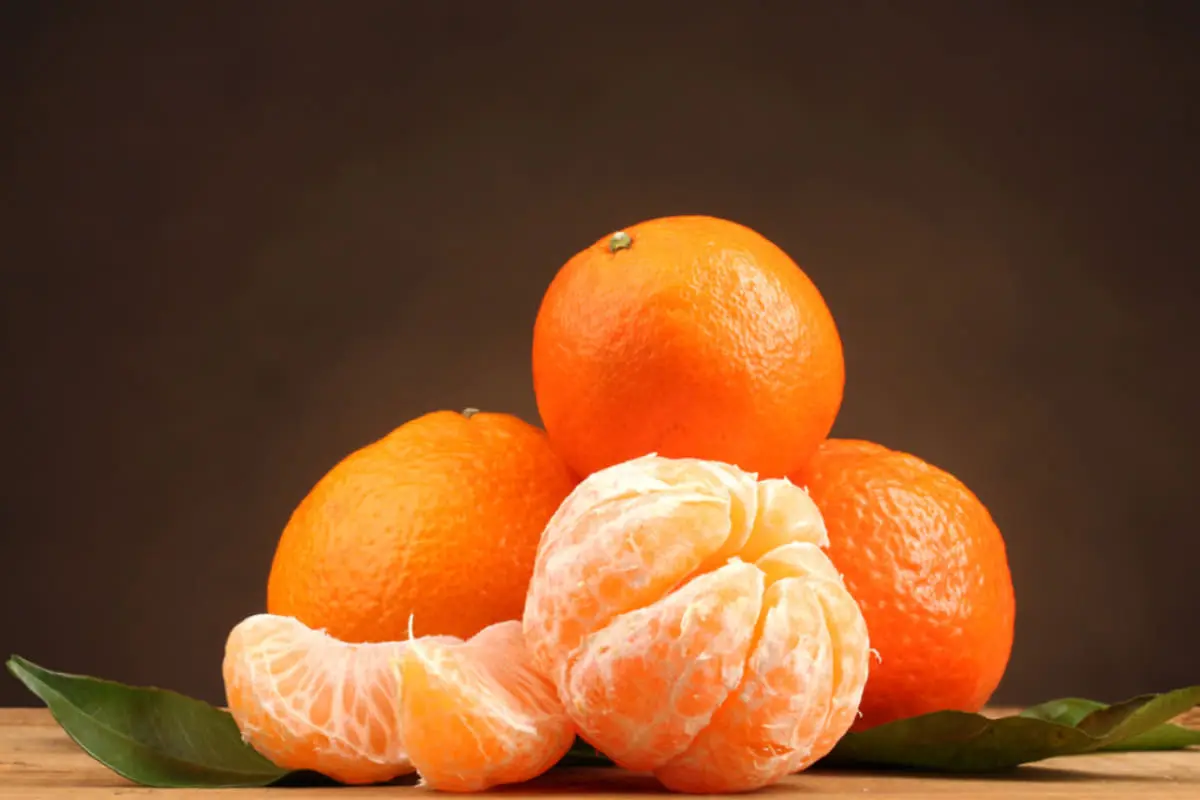
To choose juicy mandarins, it’s a good idea to compare the weight of two fruits of the same size before buying: the heavier one usually contains more juice, while one that’s too light may turn out to be dried out, according to Fakt.
As the cold weather sets in, these citrus fruits are increasingly being purchased as a source of vitamin C. However, some of the fruit may turn out to be dry, sour, or contain a large number of seeds. The publication, citing the Swiss website blick.ch, advises evaluating three factors: weight, the condition of the peel, and the variety. An attractive appearance and a high price do not guarantee quality. The size of the fruit is not a determining factor. A smaller but heavier mandarin may turn out to be a better choice than a large fruit with little juice. At the same time, weight does not indicate sweetness: even a juicy citrus fruit can be sour.
How to Spot a Spoiled Fruit
The peel of a high-quality mandarin should be intact, free of mold, damp spots, and suspicious discoloration. Gently press the fruit with your fingers: it should be firm yet slightly yielding.
Soft spots, juice leaking out, and an unpleasant odor should raise red flags. When buying mandarins in a mesh bag, inspect all visible fruits, as one that has started to spoil can accelerate the spoilage of the rest.
The variety will tell you whether there are seeds
If taste or the absence of seeds is important to you, pay attention to the variety name. Satsumas are usually seedless; they’re sweet, slightly tart, and easy to peel. Clementines are mostly sweet and fragrant, but they do sometimes contain seeds. Nadorcott (Afourer) is distinguished by its rich, sweet, fruity aroma and usually contains few seeds.
To keep mandarins fresh longer, it’s recommended to store them in a cool place with good air circulation. You shouldn’t keep the fruit in tightly sealed bags for long periods of time. Check your supply regularly and remove any fruit that has begun to spoil.