
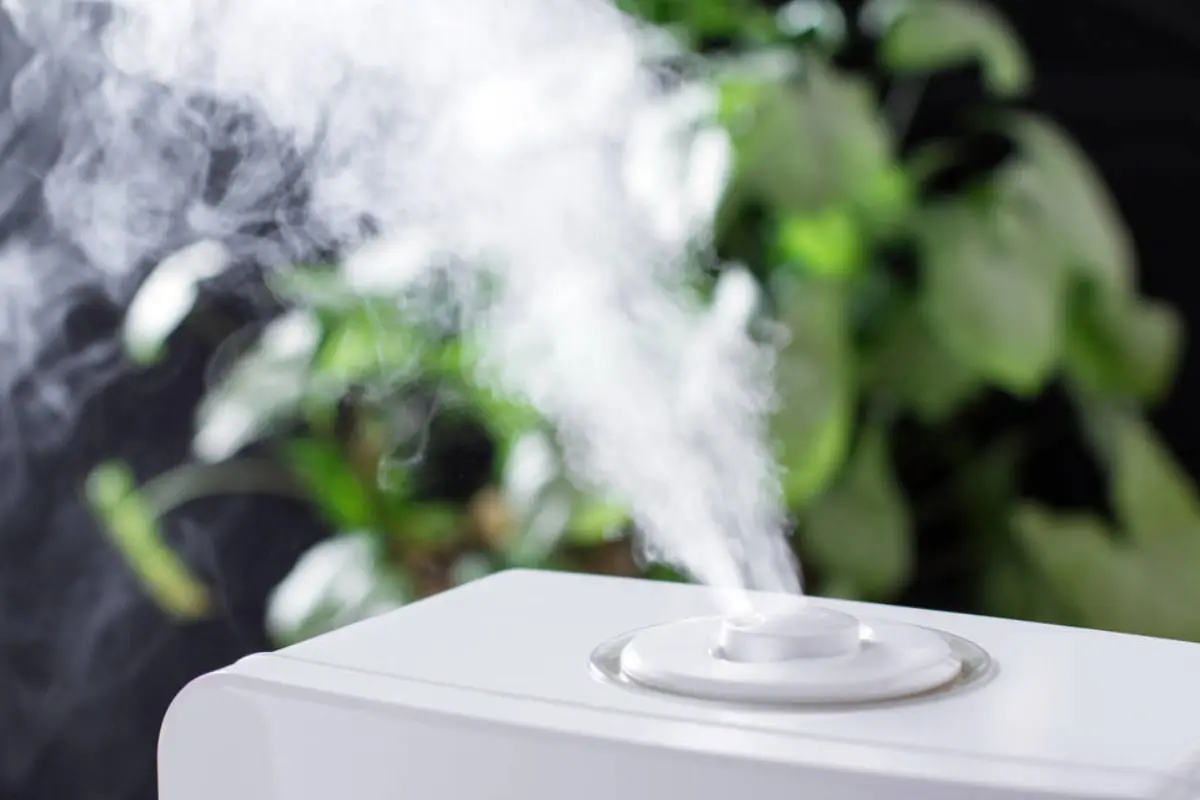
Ultrasonic humidifiers with plastic reservoirs can release substances leached from the plastic into the air. Hungarian chemical engineer Szabolcs Biro warns about this in his book *Poisoned Everyday Life*, according to Femina.
There are countless such devices on the market, so, according to the scientist, consumers should exercise caution when purchasing them. The problem, he says, lies in the very design of the device.
“Many people use ultrasonic humidifiers, which are most often made of plastic. The entire design is flawed because water sits in a plastic reservoir, and the ultrasonic vibrations intensify the leaching of additives. All of this then enters the air in the form of a fine aerosol,” Biro writes.
At the same time, experts do not advise against using a humidifier during the heating season. Dry air dries out the mucous membranes, often manifesting first as a scratchy throat or sore throat in the morning, and dried-out mucous membranes are more susceptible to seasonal pathogens. Excessive humidity, on the other hand, promotes mold growth, so a level of 40–60% is considered optimal. If the humidity drops below 40%, the air needs to be humidified.
Steel Instead of Plastic
A chemical engineer suggests two alternatives: choose a safer device or do without one altogether.
“When choosing a humidifier, look for a model with a stainless-steel water tank that’s easy to clean (this is important to prevent mold). But you can also use a traditional method: simply pour water into a glass or ceramic bowl and place it on a radiator,” advises Biro.
Water, Cleaning, and a Hygrometer
The safety of a humidifier also depends on how well it’s maintained. Sobia Faruk, a pulmonologist at the Cleveland Clinic, emphasizes that the water in the device should be changed daily, and that the tanks and filters should be washed and disinfected every two to three days to prevent mold and bacteria from growing in stagnant water. The U.S.
Environmental Protection Agency (EPA) recommends using filtered, demineralized, or distilled water to prevent impurities from tap water from entering the air.