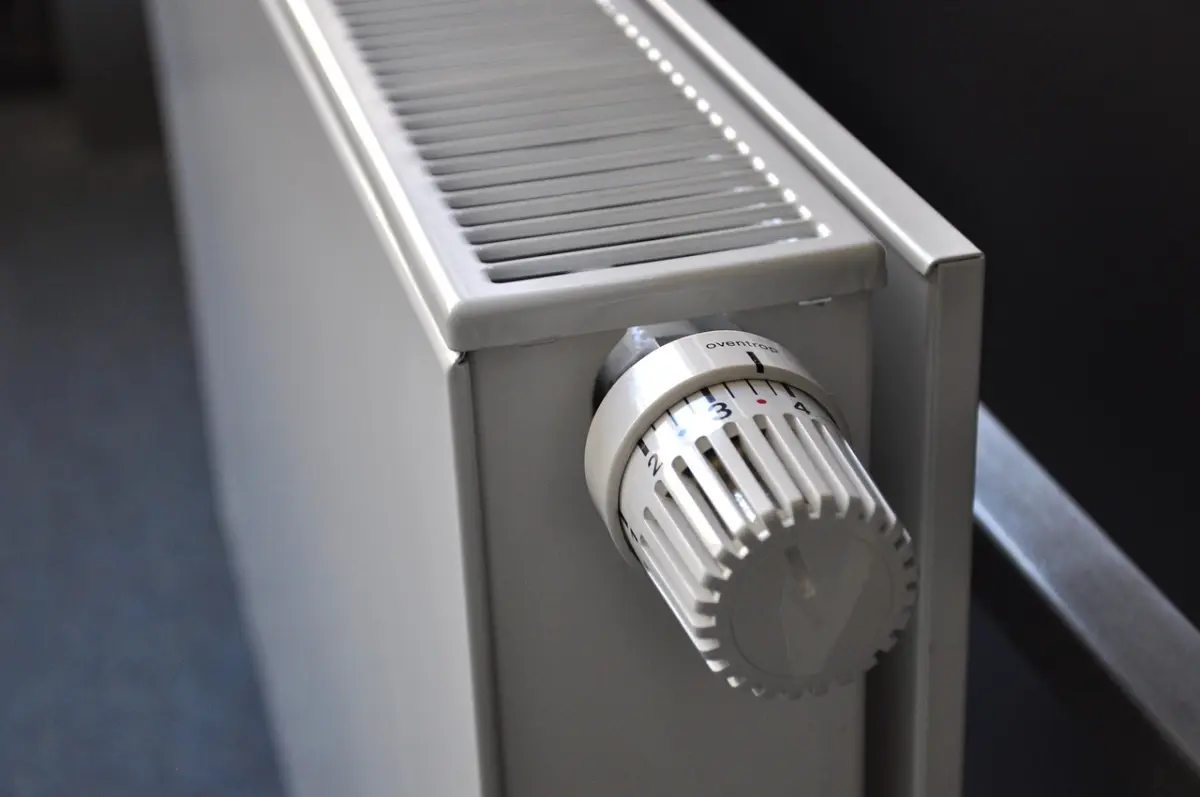
During the heating season, the surface of a standard radiator heats up to 50–70 degrees, while the shelf above it remains at 30–40 degrees for hours. As a result, medications, aerosols, batteries, and other items can be ruined in a single winter, according to Kertvár.
Most medications should be stored at a temperature no higher than 25 degrees. In warm conditions, the active ingredient in tablets breaks down faster, suppositories melt, and ointments and syrups change consistency. Such products may lose their effectiveness even before their expiration date. They should be kept in a cool, dry, and dark place, but not in the bathroom, where steam can damage them.
Aerosol cans of hairspray, deodorant, or hair dye should not be stored at temperatures above 50 degrees: the internal pressure increases, and in extreme cases, the can may burst or catch fire. Heat also shortens the lifespan of lithium-ion batteries in power banks, phones, and laptops, so charging a gadget while it’s in a battery pack is a bad idea.
From Chocolate to Vinyl
The wax in decorative candles softens at temperatures as low as 45–60 degrees, causing them to lose their shape and scent. Wine, which needs to be kept at 10–15 degrees, ages faster and changes flavor near a radiator, while chocolate begins to melt at around 30 degrees and develops a grayish film.
Houseplants, especially tropical ones, ferns, and orchids, should be placed at least one meter away from the radiator in winter. Documents and photos turn yellow and fade from dry heat, and vinyl records warp at temperatures as low as 40–50 degrees. It’s safe to keep books, ceramics, glass, and decorative items above a radiator.
Why a radiator isn’t a clothes dryer
You shouldn’t completely cover a radiator: drying clothes on it increases humidity in the home, and the radiator won’t heat the room as effectively.
A single load of laundry releases about two liters of water into the air. Nick Daggon, director of The Radiator Centre, emphasizes that wet clothes interfere with heat circulation, so the radiator has to work harder, the room takes longer to warm up, and utility bills go up. The expert also warns about the consequences for health and the home’s interior.
“Over time, this buildup of moisture can promote the growth of mold and mildew, which poses potential health risks, especially for people with respiratory conditions such as asthma. In addition, high humidity can damage elements of your home, such as paint, wallpaper, and furniture,” Daggan notes in a comment to Country Living.