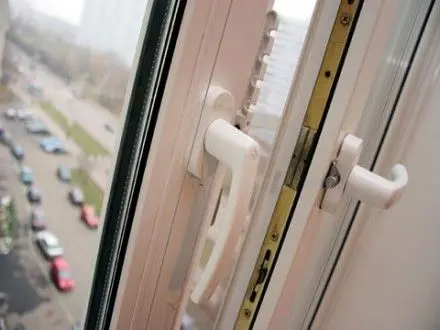
Rare ventilation of homes during the heating season poses serious health risks, as the air inside apartments is polluted not only by smog from outside but also by everyday household activities. The National Institute of Public Health of Hungary has issued a warning about this, according to Divány.
According to the institute, air quality deteriorates imperceptibly behind closed windows. It becomes saturated with steam from cooking, cleaning products, air fresheners, cosmetics, and volatile organic compounds emitted by furniture and floor coverings.
Added to this are carbon dioxide exhaled by occupants and high humidity. Together, these factors create a favorable environment for mold spores, viruses, and bacteria. Without a sufficient supply of fresh air, headaches and fatigue set in, and the ability to concentrate drops sharply.
A few minutes of cross-ventilation instead of a partially open window
Hungarian experts advise against keeping a window constantly open in “micro-ventilation” mode during the winter; instead, they recommend opening it fully several times a day for a few minutes to create a through-draft. This way, the air is refreshed very quickly, and the walls and furniture don’t have time to cool down. It’s especially important to ventilate after cooking, showering, and cleaning to prevent condensation from causing mold growth and the proliferation of dust mites.
Even just 5 minutes with the window open each day helps release stale air and reduce the concentration of pollutants, notes New York City physician Heather Viola. Engineer Chris Regan is convinced that such brief ventilation is unlikely to have a noticeable impact on your heating bill. At the same time, he advises against opening a window near the thermostat: a cold draft can “trick” the device and cause the system to work harder, according to Consumer Reports.
When It’s Best to Keep the Window Closed
During the heating season, it’s also important to consider outdoor air quality. On windless, frosty days—especially in areas where many homes are heated with solid fuel—pollution levels rise sharply in the late afternoon and evening. Therefore, it’s better to ventilate at more favorable times, such as early in the afternoon, when the concentration of particulate matter is lower.
Natural ventilation may be counterproductive where the outdoor air is more polluted than the indoor air, the WHO emphasizes. The organization also warns that insulating a home reduces air exchange, so it must be combined with proper ventilation.
Hungarian experts believe that air purifiers and air conditioners are no substitute for ventilation. Air purifiers trap dust and pollen, but they do not add oxygen or reduce carbon dioxide levels, while split-system air conditioners merely heat and recirculate the air inside the room without bringing in fresh air from outside.
Young children, the elderly, pregnant women, and people with asthma, chronic obstructive pulmonary disease (COPD), and cardiovascular diseases are most affected by air pollution. In their homes, it is recommended to minimize the use of harsh household chemicals and air fresheners, and to adjust daily ventilation based on air quality data.