
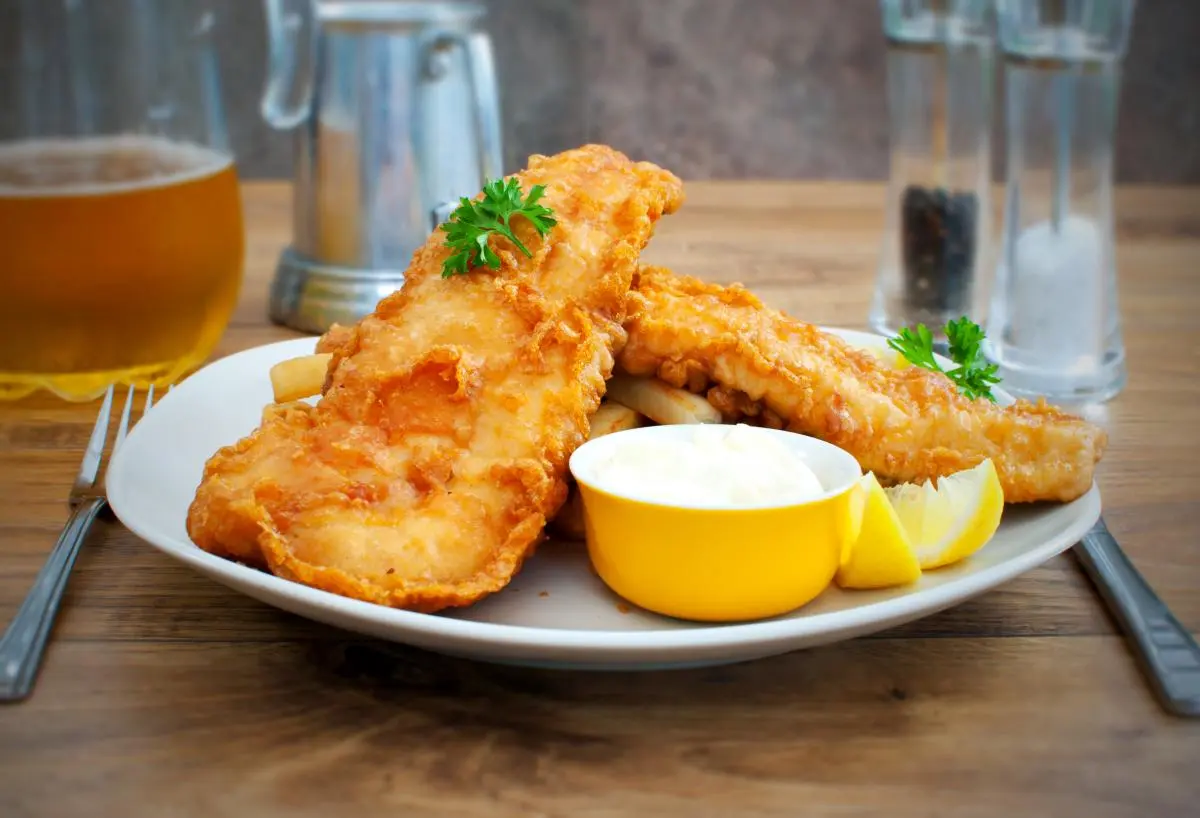
Spanish chef Carlos Arguignano demonstrated how to fillet a whole hake on your own and end up with clean, boneless fillets. According to him, all you need is a sharp knife, a cutting board, and a little patience, reports Hogarmania.
You can also ask the fishmonger to clean the fish for you. However, knowing how to do this at home allows you to buy whole fish, which is usually more cost-effective, and make better use of the product.
First, cut off the head just behind the gills in one smooth motion. Arguignano advises holding the fish by the eyes rather than the mouth, because it’s easy to cut yourself on the hake’s teeth, and such a wound can become infected.
Next, make a cut along the backbone from the head to the tail. Run the knife close to the bone to separate the first fillet with minimal loss of flesh. Then turn the fish over and repeat the same process on the other side. You can lift the fillet with your fingers as you cut.
The chef advises not to throw away the backbone and remaining bones: they, like the head, make a good fish broth. To remove the skin, place the fillet skin-side down and run the blade between the skin and the flesh. Finally, check the fillet with your fingers and remove any small bones with special tweezers.
The tender flesh doesn’t like to be rushed
American chefs interviewed by Chowhound warn that hake flesh is easily damaged during preparation.
“Hake is quite fatty for a white fish, so it’s delicate. Don’t try to do too much with it, or you risk it falling apart. If you handle it carefully, it’s a great option,” emphasizes Max Harvey, vice president of procurement at Wulf’s Fish.
Fresh hake has firm, translucent flesh and a mild ocean scent. Avoid fish that is dull in color, slimy, or has a strong odor. After cleaning, the fillets should be thoroughly patted dry with paper towels. “Water = steam = mush,” warns private chef Yulia Chebotar.
Chef Matthew Ona of the Culinary Institute of America advises pulling out small bones toward the head, that is, in the natural direction of their growth. If you pull in the opposite direction, you risk tearing the flesh, according to NOAA Fisheries.