
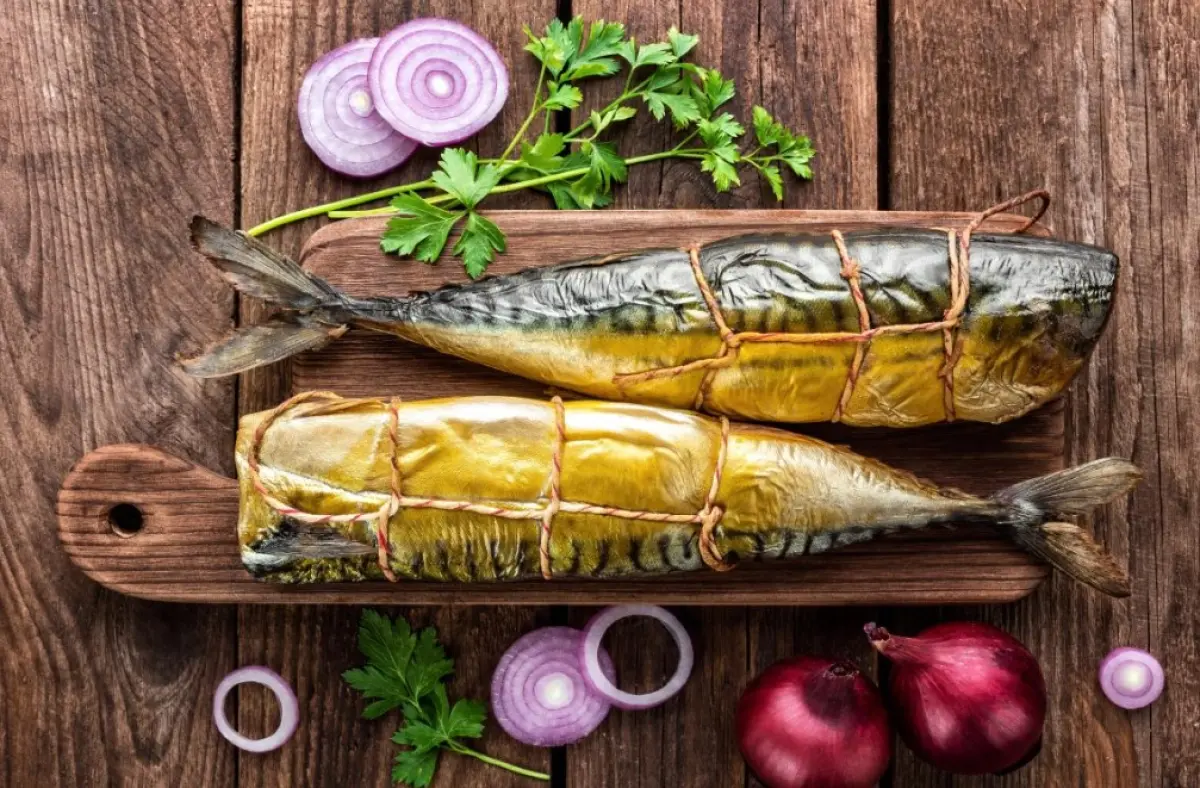
Mackerel, which costs as little as 17 zlotys per kilogram frozen and 23 zlotys fresh in Polish stores, contains as much omega-3 as farmed salmon—and often even more. According to WP Kuchnia, every 100 grams of mackerel contains 2.5–2.7 grams of the fatty acids EPA and DHA.
Unlike the plant-based ALA found in walnuts or flaxseeds—which the body has difficulty converting into EPA and DHA—mackerel contains omega-3 in a form that is readily absorbed. One serving nearly covers a week’s worth of needs, as the recommended daily intake is 250–500 mg.
Fresh mackerel has 205 kcal per 100 g, 19 g of high-quality protein, about 14 g of fat, and contains no carbohydrates at all. One serving also provides the daily requirement for vitamin D (8–16 μg), nearly the daily dose of selenium (45 μg), and several times the recommended intake of vitamin B12 (up to 8 μg).
Smoked fish has other properties
The low price applies only to fresh or frozen fish. Smoked mackerel contains 700–1,200 mg of sodium per 100 g, compared to about 90 mg in fresh mackerel—that is, a significant portion of the daily limit of 2,000 mg. During the smoking process, polycyclic aromatic hydrocarbons—which are considered potentially carcinogenic—deposit on the surface of the fish; therefore, it is recommended to eat this type of mackerel only occasionally.
Mercury levels vary by species. Atlantic mackerel, which is most commonly sold in stores, contains about 0.05 mg per kilogram, and the U.S. Food and Drug Administration (FDA) classifies it as one of the safest fish. King mackerel accumulates up to 0.7 mg per kilogram and is on the list of fish to avoid. Most pregnant women and young children can eat Atlantic mackerel 2–3 times a week, provided it is not smoked.
How to Prepare It and Who Should Be Cautious
Deep-frying at temperatures above 180 degrees can reduce EPA and DHA levels by several tens of percent. It’s better to bake the fish at 180 °C—especially in parchment paper or foil—or to steam or braise it, thereby reducing cooking time.
Mackerel is rich in purines, so people with gout should eat it only occasionally. Improperly stored fish produces histamine, which can cause skin redness, headaches, and nausea. For this reason, mackerel should be stored in the refrigerator and consumed as soon as possible. People with fish allergies and those taking blood-thinning medications are advised to discuss how often they should eat it with their doctor.